

The Conrad GR-4 Dual, also known in some markets as the Groundtech GR-4 Dual, is a professional 3D ground scanner designed for underground imaging, cavity detection, archaeological surveys, and advanced exploration projects. Unlike traditional metal detectors, the GR-4 Dual focuses on collecting underground data and transforming it into visual 3D models that help users analyze subsurface structures before excavation. In 2026, it remains one of the most recognized 3D scanning systems among treasure hunters, archaeologists, and survey professionals.
Overview of the Conrad GR-4 Dual
The GR-4 Dual was developed to provide detailed underground analysis using advanced scanning sensors and professional visualization software.
Common applications include:
- Treasure hunting
- Archaeological investigations
- Underground chamber detection
- Tunnel exploration
- Geological surveys
- Buried structure identification
The scanner is designed to help users make more informed decisions before beginning excavation work.
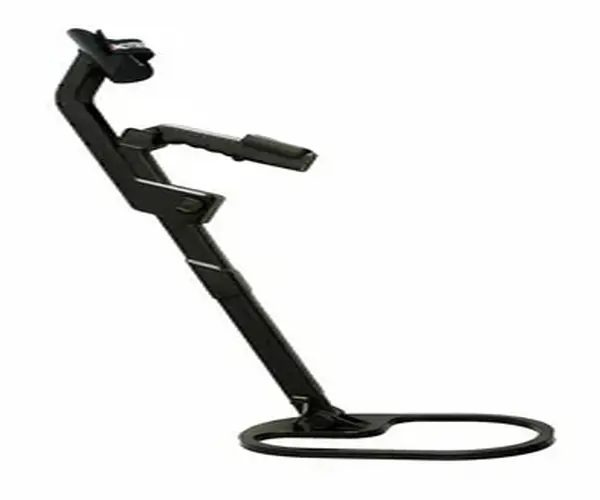
Visit the GR-4 Dual Official Page to explore advanced 3D ground scanning technology, deep target detection capabilities, and professional underground imaging features for serious treasure hunters and explorers.
3D Imaging Technology
Advanced Ground Scanning
The GR-4 Dual uses specialized scanning technology to collect underground information across a selected search area.
Advantages include:
- Subsurface visualization
- Underground anomaly detection
- Improved survey accuracy
- Reduced unnecessary excavation
This technology provides a visual representation of underground conditions rather than relying solely on audio signals.
High-Resolution Data Collection
The scanner gathers large amounts of ground information during surveys.
Benefits include:
- Detailed underground mapping
- Better anomaly recognition
- Enhanced survey coverage
- Improved target interpretation
Visual Underground Analysis
One of the major strengths of the GR-4 Dual is its ability to transform collected data into visual scan models.
Users may identify:
- Cavities
- Chambers
- Tunnels
- Buried structures
- Ground disturbances
The graphical display helps users analyze complex underground environments more effectively.
Discover the top-rated detectors featured in Best Gold Detectors 2026 and compare the latest innovations in gold prospecting technology, depth performance, and target identification.
Software & Data Analysis
Professional 3D Software
The scanner is supplied with dedicated analysis software that allows users to process and interpret collected data.
The software can assist with:
- 3D visualization
- Underground mapping
- Scan interpretation
- Project documentation
Data Storage
Survey results can be saved for:
- Future review
- Comparative analysis
- Professional reports
- Exploration planning
Scan Interpretation
The software helps distinguish between different underground anomalies and provides a clearer picture of subsurface conditions.
This feature is particularly valuable for professional exploration projects.
Technical Features
Dual Sensor System
The GR-4 Dual uses a dual scanning configuration designed to improve:
- Data accuracy
- Survey quality
- Underground detail
- Target differentiation
Portable Construction
The scanner is suitable for use in:
- Deserts
- Mountains
- Agricultural land
- Historical sites
- Remote exploration areas
Its portable design allows users to conduct surveys in challenging environments.
Learn more through the GR-4 Official Page, where detailed specifications, advanced scanning functions, and powerful underground visualization tools help users locate hidden targets with greater accuracy.
Rechargeable Power System
The integrated battery supports extended field operations without frequent charging interruptions.
Digital Control Unit
The control system enables:
- Scan management
- Data monitoring
- Project configuration
- Survey optimization
Depth Performance
Depth capability depends on multiple factors.
Factors Affecting Performance
Results may vary according to:
- Soil composition
- Moisture levels
- Ground mineralization
- Target size
- Environmental conditions
Large Underground Structures
The GR-4 Dual is particularly effective for locating:
- Underground chambers
- Tunnels
- Voids
- Buried foundations
These targets often generate strong underground anomalies that are easier to visualize.
Buried Objects
Larger buried targets generally produce more visible signatures in scan data than smaller objects.
Geological Features
The scanner can also help identify underground changes that may indicate areas of interest for further investigation.
Real User Results
Treasure Hunting Applications
Many users employ the GR-4 Dual for:
- Historical site exploration
- Treasure recovery projects
- Preliminary target identification
Visit the Minelab GPZ 8000 Official Page to explore Minelab’s latest flagship gold detector, featuring GeoZVT™ technology, enhanced sensitivity, and exceptional depth performance in highly mineralized ground.
Archaeological Surveys
Archaeologists appreciate the ability to investigate sites without immediate excavation.
Underground Structure Detection
Users frequently report success locating:
- Hidden rooms
- Tunnels
- Chambers
- Ancient foundations
Survey Efficiency
Many operators find that visual imaging helps reduce unnecessary digging and improves overall project planning.
Conrad GR-4 Dual vs Other 3D Scanners
GR-4 Dual vs Lorenz Deepmax Z2
While often compared, these devices serve different purposes.
| Feature | Conrad GR-4 Dual | Lorenz Deepmax Z2 |
|---|---|---|
| Technology | 3D Ground Scanning | Pulse Induction |
| Underground Imaging | Yes | No |
| Cavity Detection | Excellent | Limited |
| Direct Metal Detection | Limited | Excellent |
| Survey Mapping | Yes | No |
| Software Analysis | Advanced | Basic |
| Archaeological Surveys | Excellent | Good |
The GR-4 Dual focuses on underground visualization, while the Lorenz Z2 specializes in deep metal detection.
GR-4 Dual vs Standard Metal Detectors
Advantages of the GR-4 Dual include:
- Visual underground analysis
- Large-area surveying
- Structure detection
- Advanced mapping
Advantages of standard detectors include:
- Faster target recovery
- Lower cost
- Simpler operation
- Direct metal identification
Many professionals use both systems together.
Price & Value
The price of the GR-4 Dual depends on:
- Dealer location
- Software package
- Included accessories
- Warranty coverage
- Training services
Typical Package Contents
Most packages include:
- Main scanning unit
- Control system
- Analysis software
- Rechargeable battery
- Charger
- Carrying case
- Documentation
Some dealers may also include software updates and operator training.
Is It Worth the Investment?
For users requiring detailed underground imaging, the scanner offers capabilities that conventional metal detectors cannot provide.
Its value becomes particularly apparent during large-scale exploration projects.
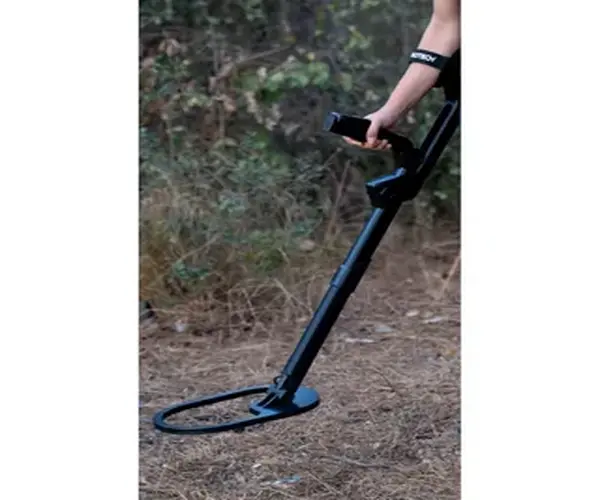
Pros & Cons
Pros
- Advanced 3D imaging technology
- Professional analysis software
- Excellent cavity detection
- Detailed underground visualization
- Large-area survey capability
- Portable design
- Useful for archaeology and exploration
Cons
- Higher price than standard detectors
- Requires software interpretation skills
- Learning curve for new users
- More complex than traditional detectors
- Results depend on operator experience
Who Should Buy the Conrad GR-4 Dual?
Treasure Hunters
Users seeking underground structures and hidden targets.
Archaeologists
Professionals conducting non-invasive site investigations.
Exploration Companies
Organizations requiring advanced underground analysis.
Survey Teams
Professionals needing detailed subsurface information.
Advanced Detectorists
Users looking for more information than traditional detectors can provide.
Final Verdict
The Conrad GR-4 Dual remains one of the most capable 3D ground scanners available in 2026 Its combination of advanced underground imaging, professional software, cavity detection capabilities, and large-area survey functionality makes it an excellent choice for serious exploration projects While it requires a greater investment and more training than conventional metal detectors, its ability to visualize underground anomalies before excavation provides a significant advantage for professional users.
Frequently Asked Questions
What is the Conrad GR-4 Dual used for?
The scanner is used for underground imaging, cavity detection, treasure hunting, archaeological surveys, and exploration projects.
Does the GR-4 Dual create 3D underground images?
Yes. It collects underground data and generates visual 3D models using specialized software.
Can the GR-4 Dual detect tunnels and chambers?
Yes. Detecting underground cavities and structures is one of its primary applications.
Is the GR-4 Dual a metal detector?
It is primarily a 3D ground scanner rather than a conventional metal detector.
How does the GR-4 Dual compare with the Lorenz Deepmax Z2?
The GR-4 Dual focuses on underground visualization, while the Lorenz Z2 specializes in deep metal detection.
Is the GR-4 Dual suitable for beginners?
It can be used by beginners, but interpreting scan data requires training and experience.
Is the Conrad GR-4 Dual worth buying in 2026?
For users needing professional underground imaging and advanced exploration capabilities, it remains a strong option.