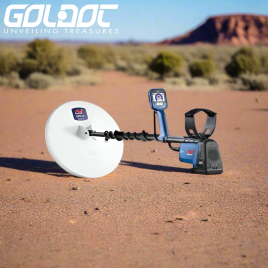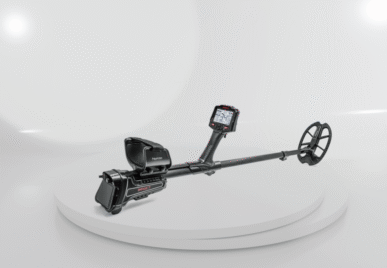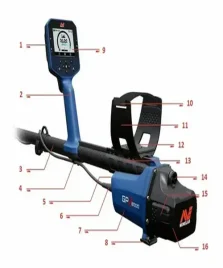


Choosing a gold prospecting detector in 2026 requires more than comparing advertised depth or selecting the most expensive device. The right detector should match the type of natural gold you want to locate, the mineralization level of the ground, your field experience, and the amount you are prepared to invest.
Some detectors are designed to locate very small gold flakes and sub-gram nuggets close to the surface. Others use pulse induction technology to maintain stability and reach larger nuggets in difficult mineralized soil. A third group provides enough versatility for prospecting, coins, relics, and occasional beach detecting.
This commercial comparison explains the strongest field choices, realistic depth expectations, important technologies, typical prices, advantages, disadvantages, and the best use for each device.
Buyer Intent Explained
A buyer searching for a gold prospecting detector is usually looking for a specialized machine capable of detecting naturally occurring gold rather than only coins, jewelry, or buried metal objects.
Natural gold creates several detection challenges. Nuggets can be extremely small, irregularly shaped, and mixed with iron-rich rocks. Gold-bearing areas also tend to contain magnetic minerals that produce false signals and reduce detector stability.
For that reason, buyers should evaluate:
- Sensitivity to small gold
- Ground balance performance
- Stability in mineralized soil
- Search coil size and type
- Detector weight
- Battery life
- Audio target response
- Available discrimination
- Warranty and dealer support
Buyers comparing a wider range of machines can also review the detailed Best Gold Detector – Top 10 Ranked & Compared guide before making a final decision.
Top Detector Comparison
The following table compares leading choices for different prospecting environments. Prices are approximate 2026 market ranges and may vary according to the country, package, taxes, accessories, and authorized distributor.
| Detector Model | Technology | Main Strength | Best Field Use | Experience Level | Approximate Price |
|---|---|---|---|---|---|
| Minelab Gold Monster 2000 | Simultaneous multi-frequency | Fine gold sensitivity with easier ground handling | Small nuggets in varied mineralized soil | Beginner to advanced | $1,999–$2,500 |
| Minelab Gold Monster 1000 | 45 kHz VLF | Simple automatic operation | Small shallow nuggets and bedrock cracks | Beginner | $850–$1,100 |
| Nokta Gold Finder 2000 | 61 kHz VLF | High sensitivity and easy controls | Tiny nuggets in dry goldfields | Beginner to intermediate | $550–$800 |
| Garrett Goldmaster 24K | 48 kHz VLF | Adjustable ground control and strong value | Fine gold in moderate mineralization | Intermediate | $650–$800 |
| Garrett Axiom | Pulse induction | Stability in difficult ground | Medium and large nuggets in hot soil | Intermediate to advanced | $2,000–$3,500 |
| Minelab GPX 6000 | GeoSense-PI | Premium all-size nugget performance | Serious prospecting in harsh mineralization | Advanced | Premium price tier |
The Gold Monster 2000 operates across approximately 12–76 kHz simultaneously, while the Gold Monster 1000 uses a fixed 45 kHz VLF system. Garrett identifies the Goldmaster 24K as a 48 kHz detector, while Nokta lists the Gold Finder 2000 at 61 kHz.
Minelab Gold Monster 2000
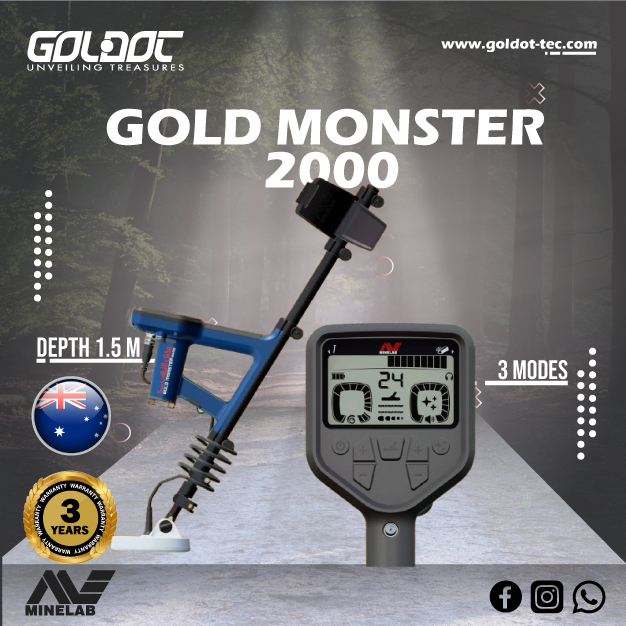
The Minelab Gold Monster 2000 is one of the strongest choices for buyers who want modern fine-gold sensitivity without managing complicated settings. Its Multi-Au simultaneous multi-frequency technology operates across a wide frequency range designed specifically for natural gold.
It offers automatic noise cancellation, multiple ground modes, manual and automatic sensitivity options, numeric Target ID, and audio designed to distinguish promising responses from hot rocks and iron.
At approximately 1.25 kilograms, it is also suitable for long field sessions and remote travel.
Main Advantages
- Excellent response to very small nuggets
- Better adaptability across changing ground conditions
- Simple automatic operation
- Clear numeric target information
- Lightweight and compact construction
- Suitable for beginners and experienced prospectors
Main Limitations
- Higher price than traditional VLF models
- Not intended to replace premium deep-search PI systems
- Limited attraction for buyers who prefer extensive manual controls
- Detector housing is not designed for complete underwater use
Best Field Use
The Gold Monster 2000 is recommended for prospectors searching for fine and small natural gold across dry washes, exposed bedrock, old workings, shallow slopes, and areas with changing mineralization.
A more focused performance review is available in Minelab Gold Monster 2000 Review – Still the King of Nuggets?.
Minelab Gold Monster 1000
The Gold Monster 1000 remains an attractive entry point for buyers who want an established gold nugget detector with automatic operation. Its 45 kHz VLF frequency delivers strong sensitivity to small gold while reducing the learning curve through automatic ground balance, noise cancellation, and sensitivity adjustment.
The detector includes Gold and Deep All Metal search modes. Its Gold Chance indicator also helps the operator evaluate whether a response is more likely to be ferrous or non-ferrous.
Main Advantages
- Easy turn-on-and-detect operation
- Strong sensitivity to small nuggets
- Lightweight design
- Suitable for new prospectors
- Different coil options for tight areas and broader coverage
- Lower cost than newer premium systems
Main Limitations
- Fixed single-frequency technology
- Less stable than PI detectors in severe mineralization
- Limited advanced adjustment
- No numeric Target ID
- Reduced versatility for coins and beach hunting
Best Field Use
The Gold Monster 1000 performs well on shallow gold, exposed bedrock, quartz areas, tailing piles, dry washes, and locations with low to moderate mineralization.
For a direct comparison with another high-frequency model, see Gold Monster 1000 vs Gold Finder 2000 raw gold detector.
Nokta Gold Finder 2000
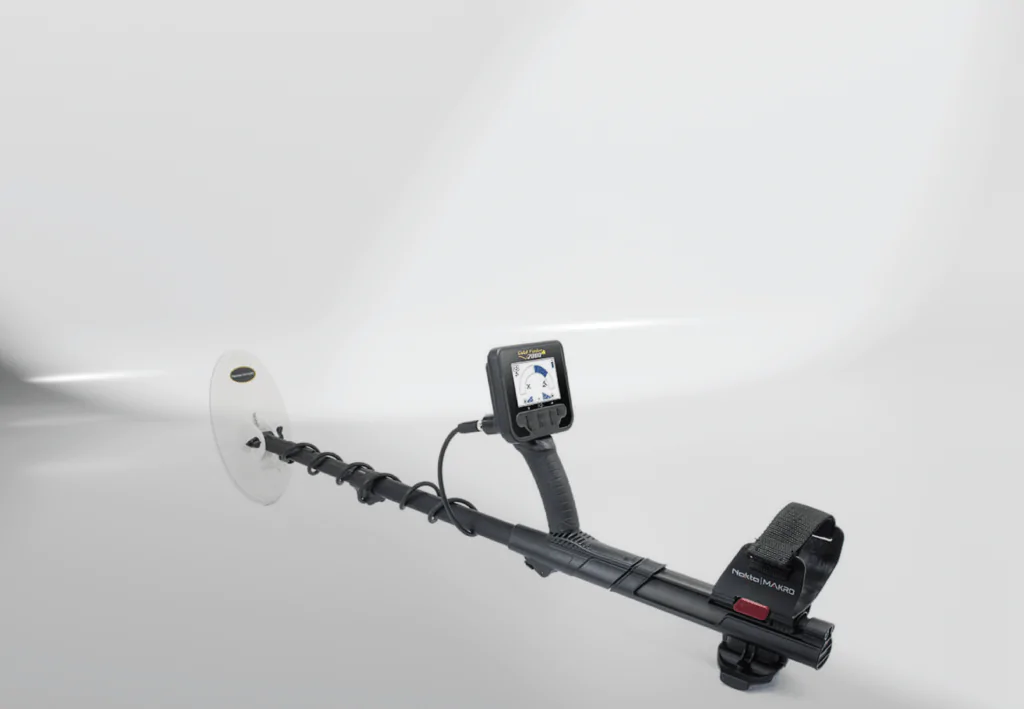
The Nokta Gold Finder 2000 is a 61 kHz high-frequency raw gold detector designed around simple controls and strong sensitivity to small nuggets. Automatic ground balance reduces setup time, while two search modes allow the operator to search for all metals or reject many iron responses.
Depending on the package, the detector may include two different coils. A smaller coil improves sensitivity and target separation around rocks, while a larger coil covers more ground and provides a stronger response to larger targets.
Main Advantages
- High 61 kHz operating frequency
- Sensitive to very small gold
- Automatic ground balance
- Simple visual interface
- Retractable shaft
- Useful coil and screen lighting
- Competitive purchase price
Main Limitations
- High-frequency VLF performance can become noisy in extreme ground
- Not designed for maximum depth on large nuggets
- Fewer advanced adjustments than some professional machines
- Primarily specialized for gold rather than general detecting
Best Field Use
The Gold Finder 2000 is suitable for beginners searching dry goldfields, narrow bedrock cracks, shallow deposits, and previously worked locations where small nuggets may remain.
Garrett Goldmaster 24K
The Garrett Goldmaster 24K combines a 48 kHz operating frequency with an XGB ground balance system. This makes it an attractive option for prospectors who want more control than a fully automatic detector provides without moving into the price range of a premium PI machine.
Its ground tracking system can help manage changing mineralization, while adjustable settings give experienced operators more control over sensitivity and threshold behavior. Garrett currently positions it as an affordable specialized detector for finding small natural gold.
Main Advantages
- Strong sensitivity to fine gold
- Advanced ground tracking
- More manual control than basic models
- Competitive price
- Lightweight field design
- Good balance of performance and value
Main Limitations
- Requires more learning than automatic detectors
- VLF technology still has limits in severe mineralization
- Not the best choice for maximum large-nugget depth
- Threshold and ground settings may require adjustment during the hunt
Best Field Use
The Goldmaster 24K suits users searching for fine gold in moderate or changing ground who want to adjust the detector according to local conditions.
Garrett Axiom
The Garrett Axiom is a pulse induction gold mining detector developed for serious natural-gold prospecting. PI systems are usually selected when mineralized ground becomes too difficult for a high-frequency VLF detector.
The Axiom provides advanced ground handling, different timing and detection options, multiple compatible coils, wireless audio, and a rechargeable battery designed for long field sessions. Garrett describes it as its most powerful PI gold detector.
Main Advantages
- Stable operation in difficult mineralized ground
- Strong response to medium and larger nuggets
- Lighter than many traditional PI detectors
- Different coil configurations
- Wireless audio support
- Suitable for serious field campaigns
Main Limitations
- More expensive than VLF detectors
- Audio interpretation takes practice
- Small-target sensitivity depends on coil and settings
- Less useful for detailed target discrimination
- Standard packages can cost considerably more than Lite packages
Best Field Use
The Axiom is recommended for iron-rich soil, hot rocks, old goldfields, desert environments, salt-affected ground, and locations where larger or deeper nuggets are the main target.
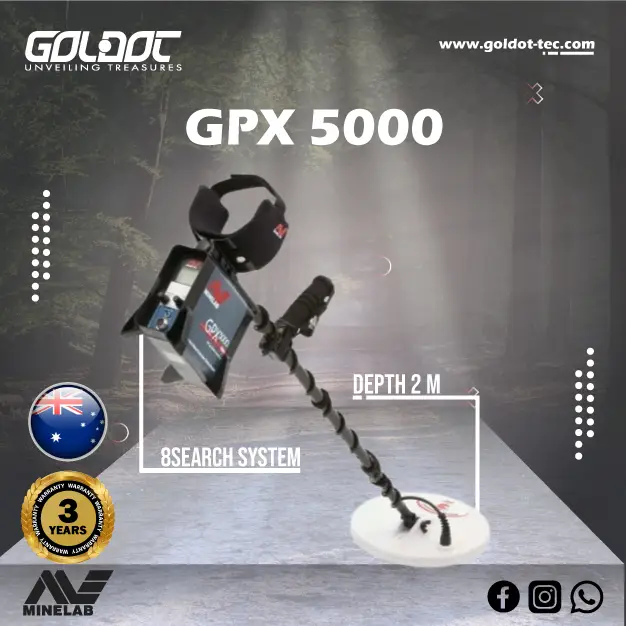
Minelab GPX 6000
The Minelab GPX 6000 is a premium pulse induction machine using GeoSense-PI technology. It is designed to detect different nugget sizes while remaining usable in difficult goldfield conditions.
The detector weighs approximately 2.1 kilograms and supports several coils for fine gold, salt-affected ground, or increased coverage. Its automatic functions simplify some adjustments, but understanding faint audio responses remains important for achieving professional results.
Main Advantages
- Excellent performance in mineralized soil
- Strong sensitivity across different nugget sizes
- Automatic ground and noise management
- Multiple coil choices
- Lightweight compared with older premium PI systems
- Proven professional field orientation
Main Limitations
- High purchase price
- Limited iron discrimination
- Requires careful listening and controlled coil movement
- Extra coils increase the total investment
- Excessive for occasional recreational users
Best Field Use
The GPX 6000 is best for experienced prospectors covering productive goldfields where both small and larger nuggets may exist in heavily mineralized ground.
Key Detection Technologies
Understanding detector technology is more useful than comparing marketing depth claims.
High-Frequency VLF
High-frequency VLF detectors are particularly responsive to small, low-conductive targets such as fine gold flakes and tiny nuggets. Models operating around 45–61 kHz can perform extremely well in shallow bedrock cracks and low-to-moderate mineralized soil.
They are generally lighter, less expensive, and easier to use. Their primary limitation is reduced stability and depth in heavily mineralized or salt-affected ground.
Simultaneous Multi-Frequency
A simultaneous multi-frequency gold detector analyzes target responses across more than one frequency. This can provide broader sensitivity across different nugget sizes and more consistent behavior when ground conditions change.
The technology can offer an effective middle ground between traditional single-frequency VLF systems and expensive PI detectors.
Pulse Induction
Pulse induction detectors are preferred when mineralization masks targets or creates continuous false signals. They generally provide better ground penetration and stability in difficult soil.
Their disadvantages include higher prices, less useful discrimination, and a greater need to interpret subtle audio responses.
Realistic Depth Performance
No responsible seller can guarantee one fixed detection depth for every gold prospecting detector. Depth changes according to:
- Nugget size and shape
- Gold purity and orientation
- Search coil size
- Ground mineralization
- Moisture and salt content
- Electromagnetic interference
- Sensitivity settings
- Sweep speed
- Operator experience
A tiny flake may only produce a usable response close to the coil. A larger nugget can be detected substantially deeper under suitable conditions. Large coils usually improve ground coverage and depth on larger targets, while small coils provide better sensitivity and separation around rocks.
Air tests should not be treated as guaranteed field depth because they do not reproduce mineralization, hot rocks, soil moisture, or target orientation.
Accuracy and Ground Balance
Accuracy does not mean that a detector can identify natural gold with complete certainty. Gold can produce a response similar to lead, aluminum, and other non-ferrous metals.
Ground balance is therefore one of the most important features. It allows the detector to reduce signals caused by minerals in the soil so that real targets become easier to hear.
Automatic ground balance is useful for beginners and changing terrain. Manual or advanced tracking systems provide more control but require a better understanding of local conditions.
Discrimination can reduce unnecessary digging, but aggressive rejection settings may also hide weak or deep gold signals. In productive goldfields, experienced prospectors often investigate repeatable non-ferrous responses rather than relying completely on visual identification.
Gold and Treasure Uses
A specialized gold detector is not automatically the best choice for every metal-detecting activity.
Natural Gold Prospecting
Choose a high-frequency VLF or gold-focused multi-frequency detector for small nuggets and shallow deposits. Select pulse induction when the ground is strongly mineralized or deeper gold is expected.
Buried Treasure
Treasure searching may require larger coils, lower frequencies, pulse induction, or specialized deep-search systems. A small-nugget detector is not designed to locate every large object at extreme depth.
Coins and Relics
General-purpose multi-frequency detectors usually offer better target identification, discrimination, and search programs for coins and relics. Dedicated gold machines may detect these targets but often provide less identification information.
Beach Detecting
Wet salt sand creates difficult conditions for many single-frequency gold detectors. A waterproof simultaneous multi-frequency detector is generally more suitable for regular beach searching. PI detectors may work well in salt conditions but can detect large amounts of iron waste.
New buyers uncertain about the limits of standard detectors can read CAN YOU USE A METAL DETECTOR TO FIND GOLD? before selecting a machine.
Price and Overall Value
A lower-priced detector can provide better value when it matches the intended field.
Entry-Level Range
Approximately $550–$1,100.
This range includes high-frequency VLF models such as the Gold Finder 2000, Goldmaster 24K, and Gold Monster 1000. They are suitable for beginners, fine-gold hunting, shallow bedrock, and moderate mineralization.
Mid-Level Range
Approximately $1,900–$2,500.
The Gold Monster 2000 and some simplified PI packages fall within this area. Buyers receive improved ground handling, updated technology, or access to pulse induction without immediately moving into the highest price category.
Professional Range
Approximately $3,000 and above.
Professional PI machines and premium packages are designed for demanding ground and extended prospecting campaigns. Their value depends on whether the user has access to productive locations that justify the additional investment.
Current market examples show the Gold Monster 2000 around $1,999 at some authorized dealers, the Gold Monster 1000 around $899, the Goldmaster 24K around $680, and Axiom packages ranging from roughly $2,000 for Lite configurations to around $3,000 or more for expanded packages. Prices remain subject to regional availability and promotions.
Pros and Cons Summary
| Detector | Main Advantage | Main Disadvantage |
|---|---|---|
| Gold Monster 2000 | Modern fine-gold sensitivity and simple operation | Higher cost than standard VLF models |
| Gold Monster 1000 | Beginner-friendly and proven | Limited control and single-frequency operation |
| Gold Finder 2000 | High-frequency sensitivity at a competitive price | Less stable in extreme mineralization |
| Goldmaster 24K | Strong value with adjustable ground control | Requires more operator knowledge |
| Garrett Axiom | Effective PI performance in hot ground | Higher cost and limited discrimination |
| GPX 6000 | Premium performance across difficult goldfields | Expensive for casual users |
For a broader head-to-head analysis of specialized nugget machines, visit The Ultimate Gold Nugget Metal Detector Showdown.
Choosing the Right Device
The best buying decision can be made by answering four practical questions.
Define the Gold Size
Choose a high-frequency VLF or gold-focused multi-frequency detector when very small, shallow nuggets are the priority. Choose PI technology when larger, deeper targets are more likely.
Evaluate the Ground
Use VLF in mild or moderate mineralization. Consider advanced multi-frequency or PI technology for severe mineralization, hot rocks, black sand, or salt-affected soil.
Match Your Experience
Beginners benefit from automatic ground balance and simplified controls. Experienced prospectors may prefer manual sensitivity, threshold, ground tracking, and coil options.
Calculate the Full Cost
Compare the complete package rather than the control unit alone. Confirm which coils, headphones, batteries, chargers, cases, warranties, and training services are included.
Buying Mistakes to Avoid
Do not choose a detector only because it advertises the greatest depth. Depth depends heavily on the target and field conditions.
Avoid buying a general coin detector when the main goal is finding very small natural gold. It may detect larger nuggets but miss fine targets that a specialized machine can identify.
Do not ignore detector weight. A powerful machine that becomes uncomfortable after one hour can reduce search coverage and field accuracy.
Avoid unofficial sellers offering prices far below the normal market. Verify the serial number, manufacturer warranty, return policy, package contents, and availability of technical support.
Do not expect discrimination to identify gold with complete certainty. Digging repeatable signals remains an essential part of successful prospecting.
Finally, check local laws, land ownership, protected areas, and permit requirements before detecting. Owning a detector does not automatically provide permission to search or recover targets.
Final Field Recommendation
For most beginners, the Minelab Gold Monster 1000 and Nokta Gold Finder 2000 provide accessible operation, strong small-gold sensitivity, and a manageable initial investment.
The Garrett Goldmaster 24K is a strong value choice for users who want additional control over ground conditions and sensitivity.
The Minelab Gold Monster 2000 offers the best balanced recommendation for buyers who prioritize small natural gold, modern multi-frequency operation, portability, and easier adjustment across different soil conditions.
The Garrett Axiom is the preferred option when pulse induction is required for difficult mineralization without moving directly to the highest premium category.
The Minelab GPX 6000 remains the professional recommendation for experienced prospectors working productive, heavily mineralized goldfields and requiring strong performance across different nugget sizes.
The right gold prospecting detector is therefore not always the most powerful or expensive model. It is the detector that matches the expected gold size, ground mineralization, search location, operator skill, and available budget.
Frequently Asked Questions
What is the best gold prospecting detector for beginners?
The Gold Monster 1000 and Gold Finder 2000 are strong beginner options because they provide automatic ground balance, simple controls, and good sensitivity to small natural gold.
Which detector is best for tiny gold nuggets?
High-frequency models such as the Gold Finder 2000 and Goldmaster 24K perform well on tiny shallow nuggets. The Gold Monster 2000 provides a more advanced multi-frequency option.
Is pulse induction better than VLF for gold?
Pulse induction is generally better in severely mineralized ground and for deeper medium-to-large nuggets. VLF can be more sensitive to very small shallow gold in milder soil.
How deep can a gold prospecting detector search?
There is no fixed depth. Results depend on nugget size, coil size, mineralization, moisture, settings, target orientation, and operator technique.
Can a gold detector find coins and jewelry?
Yes, but dedicated gold detectors may offer less discrimination and target information than general-purpose coin and jewelry detectors.
Can I use a gold detector on the beach?
Some models can work on dry sand, but wet salt sand may cause instability. A waterproof simultaneous multi-frequency detector is normally more suitable for regular beach hunting.
Is a larger search coil always better?
No. Larger coils provide more coverage and may improve depth on large targets, while smaller coils are usually better for tiny nuggets, target separation, and searching between rocks.
Should I buy from an authorized dealer?
Yes. An authorized dealer can provide verified original products, valid warranty coverage, correct accessories, setup assistance, and after-sales technical support.