The best metal detector for beach use depends on where you will search: dry sand, wet salt sand, shallow water or a longer shoreline route. Saltwater, target size, coil choice and the detector’s water rating change the buying decision. This guide compares four current models by search situation without promising a fixed depth or a guaranteed find.
| Model | Search technology | Beach buying role |
|---|---|---|
| Minelab EQUINOX 900 | Multi-IQ simultaneous multi-frequency | Flexible beach and general-purpose searches with a water-rated platform |
| Nokta The Legend 2 | Simultaneous multi-frequency | Beach mode plus other search programs in one detector |
| Minelab X-TERRA PRO | Selectable single frequency | A simpler frequency strategy with a dedicated Beach setting |
| Nokta SIMPLEX LITE | 15 kHz single frequency | Entry-level dry-sand and suitable beach use after checking conditions |
Multi-frequency operation is useful to compare for conductive wet sand, but performance still depends on the settings, ground and target. A single-frequency detector can remain a sensible choice when the search area and budget fit its limits.
For dry sand, ease of use, comfortable weight and a clear target response can matter more than advanced controls. The SIMPLEX LITE offers Field, Park, Beach and All Metal modes at 15 kHz. It can be a starting point for a buyer who wants to learn coil control and target recovery. Review the Nokta SIMPLEX LITE package and confirm its exact water rating and included accessories before taking it into surf or deeper water.
Conductive salt sand can produce unwanted responses, so compare a detector’s beach program and ground handling before purchase. The EQUINOX 900 uses Minelab Multi-IQ and includes a dedicated Gold mode for other search goals. Its IP68 specification covers submersion to five metres when used according to the maker’s instructions. Check the two-coil and headphone configuration in the Minelab EQUINOX 900 package.
The Legend 2 also combines simultaneous multi-frequency operation with Park, Field, Beach, Relic and Gold modes. Its IP68 rating is specified to five metres. Compare the Nokta The Legend 2 package for its supplied coil, audio equipment and current availability. Neither model guarantees the same response on every beach; test a realistic target in the local sand where possible.
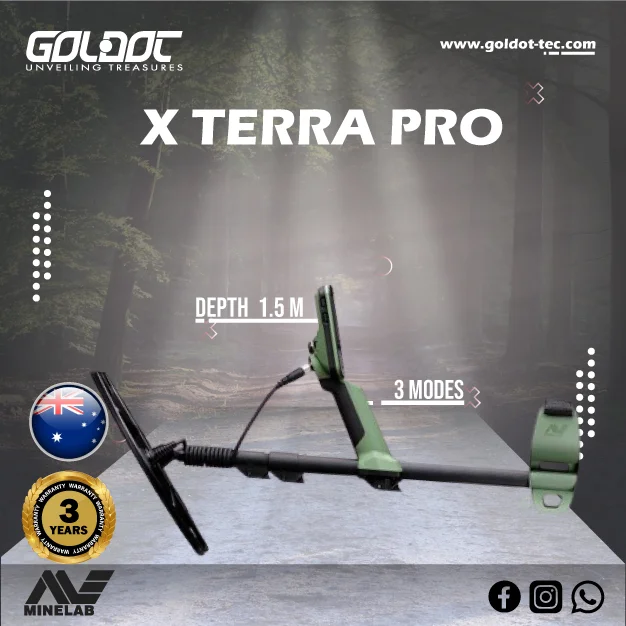
The X-TERRA PRO uses PRO-SWITCH single-frequency operation, including an 8 kHz Beach setting. It is IP68 rated to five metres. That makes it a distinct option for buyers who prefer its controls and package over a simultaneous multi-frequency platform. Review the Minelab X-TERRA PRO configuration, especially its coil and wireless audio options, before choosing it for a specific shoreline.
A beach detector purchase should be based on the complete assembled device, not only a waterproof coil. Confirm seals, connector care, headphones and depth rating against the manufacturer’s instructions. Saltwater exposure also calls for proper cleaning after the search. Conditions such as surf and strong currents add practical limits even when a detector has an IP rating.
For a search that is mainly underwater rather than on the shore, read our underwater metal detector guide before choosing a land-oriented package.
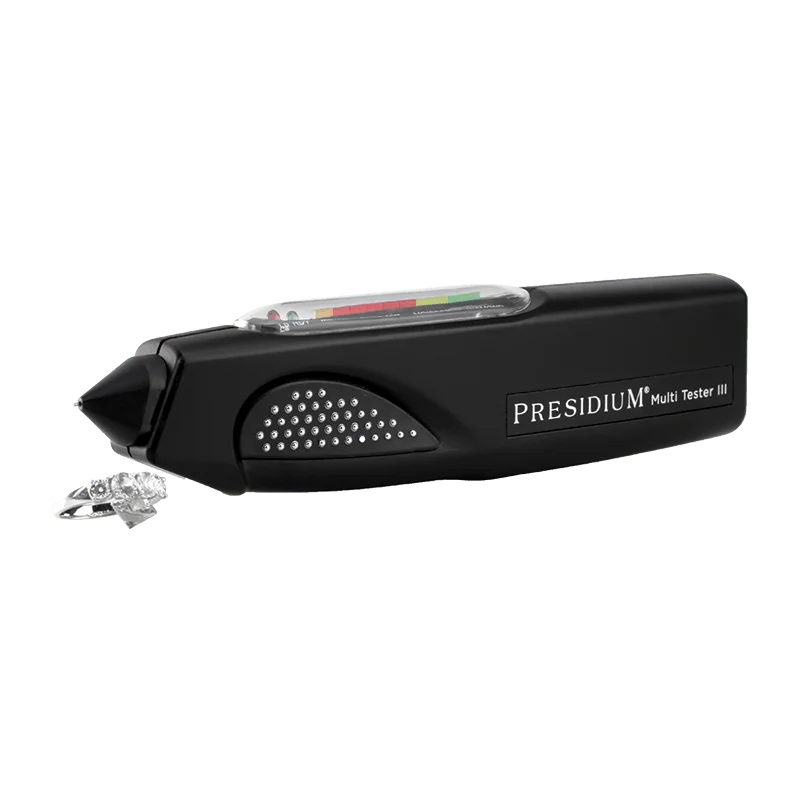
Coins and jewelry vary in metal, size, shape and burial orientation. Target ID can help prioritize digging, but it does not identify an object with certainty. A larger coil may cover ground faster, while a smaller one can help around trash and restricted spaces. The best choice depends on the beach and the targets you expect.
Use a repeatable sweep with the coil close to the sand, check uncertain signals from more than one direction, and recover targets responsibly. Check local rules on beach access and excavation. For practical shoreline search planning, see our beachcombing detector guide.
It is useful to compare for conductive wet salt sand, but it is not a universal requirement for every dry-sand search. Match the machine to your beach and target plan.
Check the complete device’s rating, assembly instructions and required maintenance. A waterproof coil alone does not establish the control unit’s rating.
Choose the controls and package you can learn confidently. Start with your most common sand condition, then compare SIMPLEX LITE, X-TERRA PRO and the multi-frequency models against that requirement.