Unearthing the Future of Detection
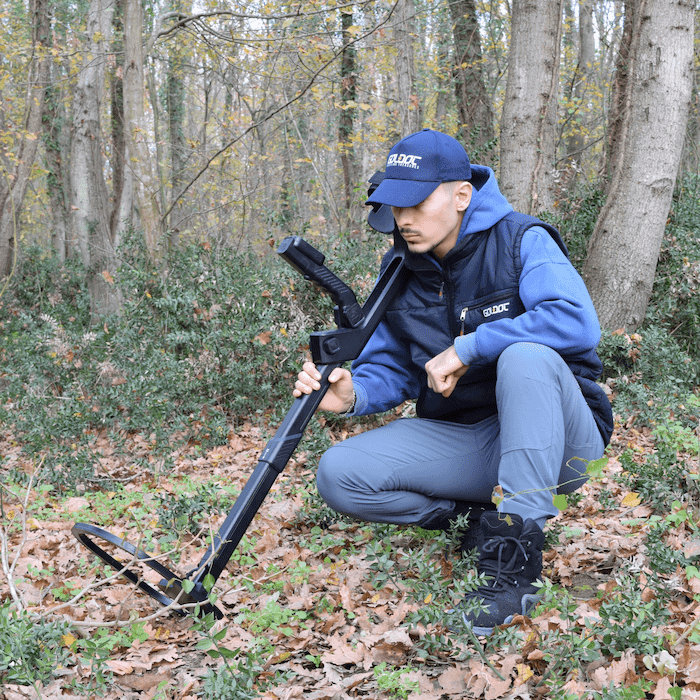
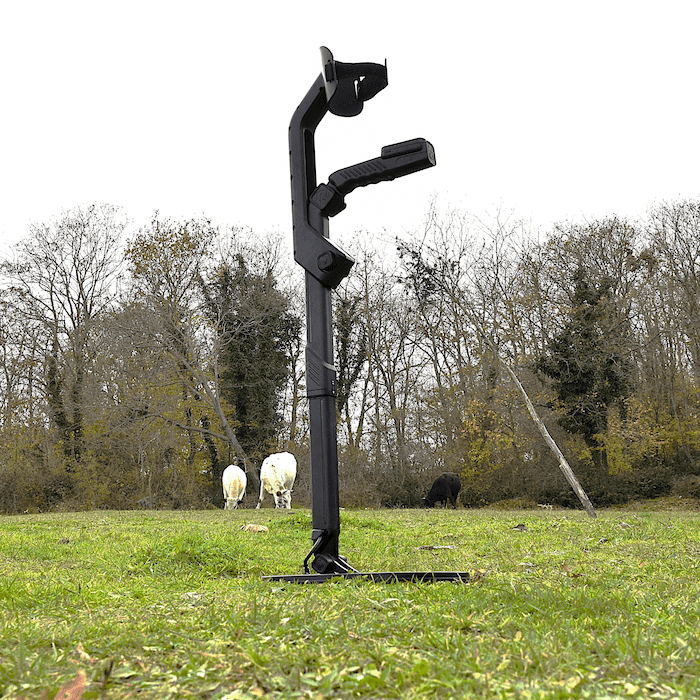
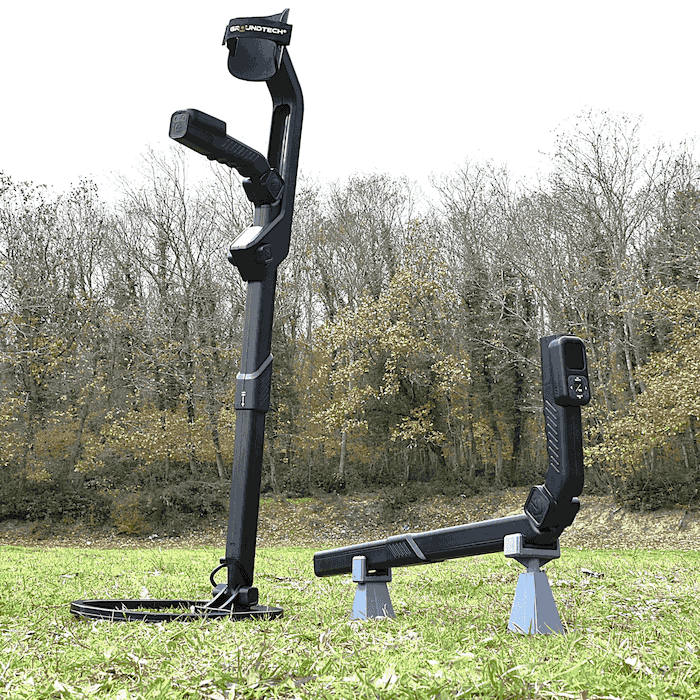
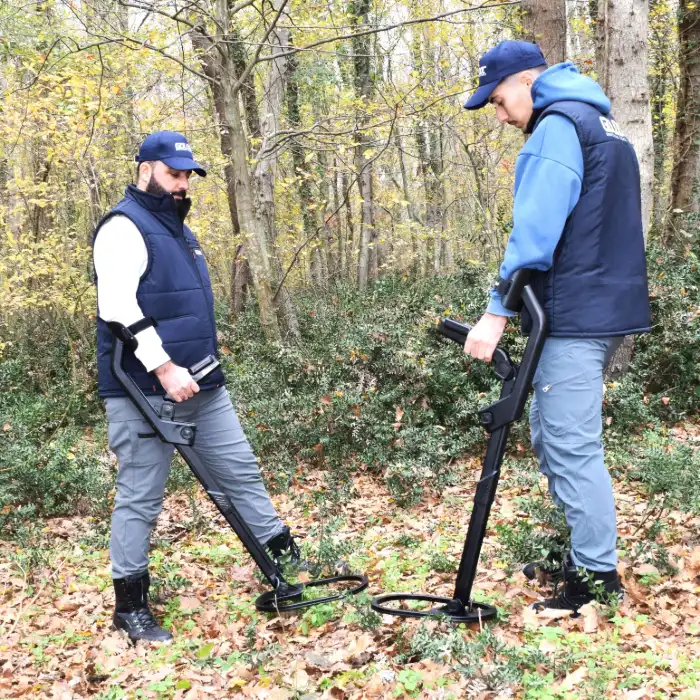
The world beneath our feet holds secrets that have remained hidden for centuries. From ancient civilizations and buried treasures to modern geological anomalies and infrastructure, the need to 'see' into the earth has never been more critical. For professionals in archaeology, treasure hunting, and industrial survey, the tools of the past are often insufficient for the complexities of modern exploration. Enter the Goldot GR4 Dual, a device that represents the pinnacle of geophysical detection and ground scanning technology. When Groundtech set out to design the GR4 Dual, the goal was simple yet ambitious: to create a device that eliminates the need for multiple tools. Typically, a seeker would need a 3D ground scanner for deep structure detection and a separate pulse induction detector for pinpointing metallic objects. The GR4 Dual combines these two worlds seamlessly. It is not just a metal detector; it is a comprehensive underground imaging system designed for those who demand excellence and accuracy. In this deep dive, we explore how the GR4 Dual is redefining the industry. We will look at its unique MFS-2 sensor technology, its incredible depth capabilities of up to 15 meters, and the user-centric design that makes it a powerful ally in even the harshest terrains.
Consider the challenges of an archaeological team working in a densely layered historical site. Often, artifacts from different eras are stacked on top of each other, making traditional surface-level detection almost impossible. The evolution of ground scanning has moved from rudimentary magnetic needles to sophisticated dual-sensor arrays. The GR4 Dual represents the latest iteration of this evolution. By utilizing a dual-core processing architecture, the device can process electromagnetic feedback at speeds previously reserved for laboratory equipment. This speed is vital when you are out in the field, moving across uneven terrain. You need a device that can keep up with your physical pace while maintaining the integrity of the data it collects. The GR4 Dual does exactly that, ensuring that every square centimeter of the search grid is analyzed and recorded with absolute precision. This is why the device is favored not just by individual treasure hunters, but also by academic institutions and forensic teams around the globe who require data that is both accurate and verifiable.
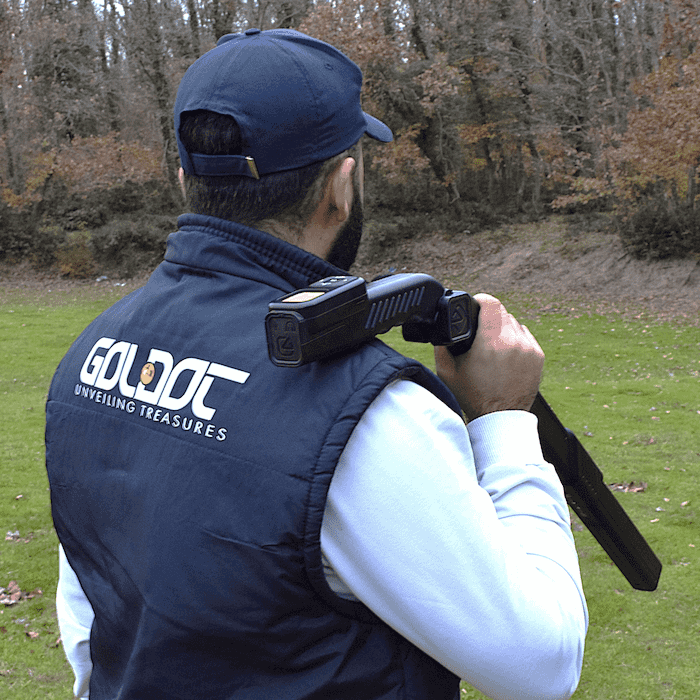
Furthermore, the modern explorer faces an environment filled with electromagnetic noise. Power lines, cellular networks, and underground infrastructure can all create interference that would render a standard detector useless. The GR4 Dual addresses this through its advanced filtering algorithms and shielded sensor housing. It filters out the background 'static' of the modern world, allowing the high-resolution MFS-2 sensors to focus solely on the magnetic anomalies originating from beneath the soil. Whether you are mapping a forgotten Roman settlement or searching for buried industrial components, the GR4 Dual provides a level of clarity that was once the exclusive domain of multi-million dollar geophysics projects. It democratizes deep-earth imaging, putting professional-grade power into a single, portable, and ergonomically designed unit.