


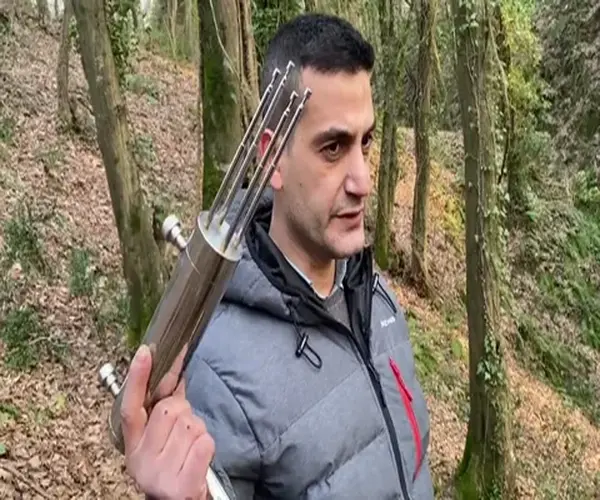
The Hakan Model 16 is a long-range detection device designed for users seeking large-area scanning capabilities and directional target tracking. Marketed as a versatile detector for treasure hunting and underground target location, the device has attracted attention among users interested in long-range technology. In this 2026 review, we examine the Hakan Model 16’s range performance, accuracy, ease of use, strengths, weaknesses, real-world user experiences, and overall value to help determine whether it deserves consideration among today’s long-range detectors.
Overview of the Hakan Model 16
The Hakan Model 16 belongs to the long-range detector category, a segment that differs significantly from conventional metal detectors.
Rather than using a search coil to scan directly over a target, long-range detectors are designed to indicate the direction of potential targets across larger search areas.
The primary goals of such systems include:
- Large-area surveying
- Directional target tracking
- Preliminary site investigation
- Treasure hunting applications
- Exploration over wide terrain
The Hakan Model 16 is promoted as a detector capable of covering extensive ground while helping users narrow search zones before detailed investigation begins.
Visit the official Hakan Model 16 page to explore long-range detection technology, specifications, scanning capabilities, and system features.
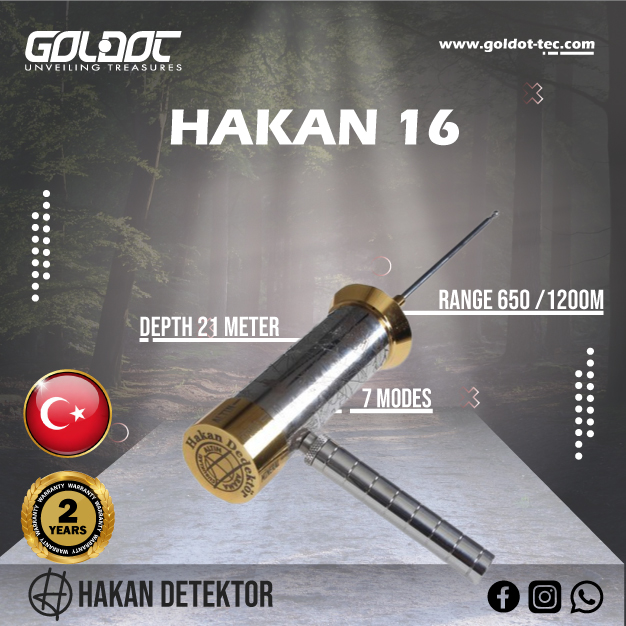
Range Test Performance
Range is one of the most important specifications for any long-range detector.
Large Area Coverage
The Hakan Model 16 is designed to scan large search areas much faster than conventional coil-based detectors. This makes it appealing for users working across expansive terrain.
Search Efficiency
When used as an initial survey tool, the detector may help identify areas that warrant closer investigation using additional detection equipment.
Factors Affecting Range
Actual performance depends on several variables:
- Terrain conditions
- Ground composition
- Environmental interference
- Operator experience
- Target characteristics
- Weather conditions
As with most long-range systems, real-world performance can vary significantly between locations.
Learn more through the Minelab GPZ 8000 Official Page, where advanced GeoZVT™ technology, exceptional gold sensitivity, and industry-leading depth performance help prospectors achieve better results.
Accuracy Analysis
Accuracy is often the most debated aspect of long-range detection technology.
Target Direction Indication
The Hakan Model 16 is designed to provide directional guidance rather than precise target identification.
Users typically use the device to:
- Identify search directions
- Narrow exploration zones
- Focus field investigations
- Reduce search area size
Verification Methods
Experienced treasure hunters often combine long-range detectors with:
- Ground scanners
- Metal detectors
- Magnetometers
- Ground penetrating radar systems
This multi-device approach can improve confidence before excavation begins.
Practical Accuracy
Users generally achieve better results when the device is used as part of a broader search strategy rather than as a standalone confirmation tool.
Ease of Use
One reason some users prefer long-range systems is their relatively straightforward operation.
Simple Controls
The Hakan Model 16 is designed with an interface that allows users to begin scanning without extensive technical training.
Portable Design
The system can be transported easily across large search locations, making it suitable for field expeditions.
Learning Curve
Although basic operation is simple, effective use often requires practice and familiarity with long-range detection principles.
Experienced operators usually report more consistent results than first-time users.
Browse and Shop Metal Detectors to compare professional gold detectors, treasure hunting equipment, ground scanners, and advanced detection systems from leading manufacturers worldwide.
Advantages of the Hakan Model 16
Large Search Coverage
The ability to investigate broad areas quickly is one of its most attractive features.
Lightweight Operation
Compared to many advanced scanning systems, the detector is relatively easy to transport.
Directional Guidance
The device can assist users in identifying potential search directions.
Suitable for Preliminary Surveys
Many operators use long-range systems to narrow target zones before conducting more detailed investigations.
User-Friendly Design
Basic functions are accessible even to less experienced users.
Disadvantages of the Hakan Model 16
Results May Require Verification
Most users rely on secondary equipment to confirm potential targets.
Performance Depends on Operator Skill
Experience often plays a significant role in achieving consistent outcomes.
Environmental Factors
External conditions may influence results and scanning stability.
Not a Replacement for Imaging Systems
Unlike 3D ground scanners, the Hakan Model 16 does not provide visual underground imaging.
Hakan Model 16 vs Other Long-Range Detectors
| Feature | Hakan Model 16 | Typical Long-Range Detector |
|---|---|---|
| Directional Detection | Yes | Yes |
| Large Area Coverage | Excellent | Good |
| Visual Imaging | No | Usually No |
| Ease of Use | Good | Moderate |
| Portability | Excellent | Good |
| Learning Curve | Moderate | Moderate |
| Target Verification Required | Yes | Yes |
The comparison highlights that the Hakan Model 16 competes primarily through portability and area coverage rather than advanced imaging capabilities.
Real User Experiences
User feedback on long-range detectors often varies depending on expectations, search environments, and operating techniques.
Positive Experiences
Some users report benefits such as:
- Faster area surveying
- Improved search organization
- Better direction selection
- Reduced time spent exploring random locations
Common Criticisms
Other users emphasize the importance of:
- Confirming results with additional detectors
- Developing proper operating techniques
- Understanding environmental limitations
As with many specialized detection technologies, user experience tends to improve with practice.
Discover the best gold detectors of 2026, comparing advanced technologies, depth performance, sensitivity, and overall prospecting efficiency.
Price and Value
The Hakan Model 16 is positioned within the specialized long-range detector category.
Potential buyers should consider:
- Intended use
- Search objectives
- Experience level
- Need for complementary equipment
For users seeking a preliminary survey tool for large search areas, the detector may provide useful functionality.
However, buyers expecting detailed underground analysis may find greater value in advanced imaging systems or ground scanning technologies.
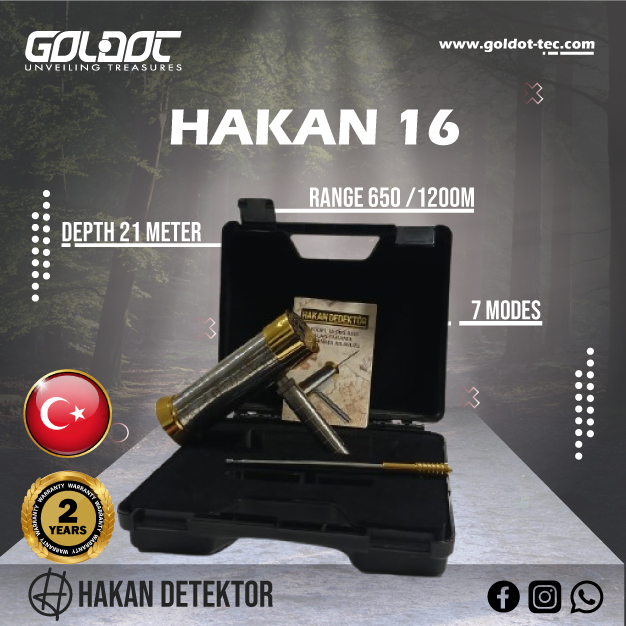
Who Should Consider the Hakan Model 16?
The detector may appeal to:
- Treasure hunters covering large areas
- Exploration enthusiasts
- Users seeking directional guidance tools
- Individuals who combine multiple detection technologies
It may be less suitable for users requiring:
- Precise target identification
- Underground imaging
- Detailed structural analysis
- Professional archaeological surveying
Explore the capabilities of GR-4 Dual, a powerful 3D ground scanner that combines advanced underground imaging with deep target detection for professional exploration and surveying projects.
Final Verdict
The Hakan Model 16 is a long-range detector designed to assist users in surveying large areas and identifying potential search directions. Its lightweight design, portability, and broad-area coverage make it an interesting option for treasure hunters who prefer long-range detection methods.
While it should not be viewed as a replacement for professional imaging systems or advanced ground scanners, it can serve as a supplementary tool within a broader exploration strategy. Users who understand the strengths and limitations of long-range technology are more likely to obtain practical value from the Hakan Model 16.
Frequently Asked Questions
What is the Hakan Model 16 used for?
The Hakan Model 16 is primarily used for long-range directional detection and large-area surveying during treasure hunting and exploration activities.
Is the Hakan Model 16 a 3D ground scanner?
No. The Hakan Model 16 is a long-range detector and does not provide underground imaging or 3D visualization.
Should long-range detector results be verified?
Yes. Most experienced users recommend confirming potential targets with additional detection equipment before excavation.











Great content! Keep up the good work!
Hahahaha You are so good