Experience the ultimate in treasure hunting. Our Professional gold detector delivers deep-seek accuracy and smart filtering. Turn every hunt into a gold mine.
In the competitive world of mineral exploration and treasure hunting, the difference between a successful find and a wasted day lies in the technology you carry. A professional gold detector is not just a tool; it is a high-precision scientific instrument designed to penetrate the earth’s most challenging terrains. Whether you are scouting the rugged outback of Australia, the mineral-rich soils of Africa, or the ancient landscapes of the Middle East, choosing the right equipment is the first step toward a legendary discovery.
The market is flooded with entry-level gadgets, but the best gold detectors are distinguished by their ability to filter out “ground noise.” In areas with high mineralization—where the soil itself contains iron or salt—standard machines will provide constant false signals. Professional-grade units utilize advanced Ground Balance systems and Multi-IQ technologies to see through these distractions, pinpointing gold nuggets that others leave behind.
When searching for the best gold detectors, professionals look for three core attributes:
To maximize your ROI, you must understand the mechanics of gold metal detectors. There are two dominant technologies in the professional circuit:
Choosing a professional gold detector often means selecting between these two worlds or opting for a hybrid machine that offers the best of both.
The design of modern gold detectors has moved toward ergonomic comfort and rugged durability. A long day in the field requires a lightweight carbon-fiber shaft and waterproof coils. Manufacturers are now integrating wireless audio and GPS mapping into their gold detectors, allowing prospectors to track their paths and mark “hot spots” for future excavation.
By investing in high-end gold detectors, you aren’t just buying a sensor; you are buying a data processor that analyzes the conductivity and magnetic properties of the earth in real-time.
Many enthusiasts prefer a dual-purpose gold and metal detector. These machines are engineered to be masters of all trades. While they have dedicated gold-prospecting modes, they also excel at relic hunting and coin shooting. A high-quality gold and metal detector provides the user with a broad “Target ID” scale, ensuring that whether you are looking for a 24k nugget or a 17th-century silver coin, your machine will tell you exactly what lies beneath before you even break ground.
Different regions demand different specs. In the Australian Golden Triangle, where the ground is famously “hot” (highly mineralized), a professional gold detector with Pulse Induction is non-negotiable. Conversely, in the alluvial fields of West Africa, a high-frequency VLF machine might be the best gold detectors choice for picking up fine grain gold in riverbeds.
The path to discovery is paved with the right technology. From the versatile gold and metal detector used by weekend warriors to the heavy-duty professional gold detector used by industrial prospectors, the goal remains the same: accuracy.
When you purchase from the elite range of gold detectors, you are securing your place in the next generation of finders. Don’t settle for “maybe” when you can have “certainty.”
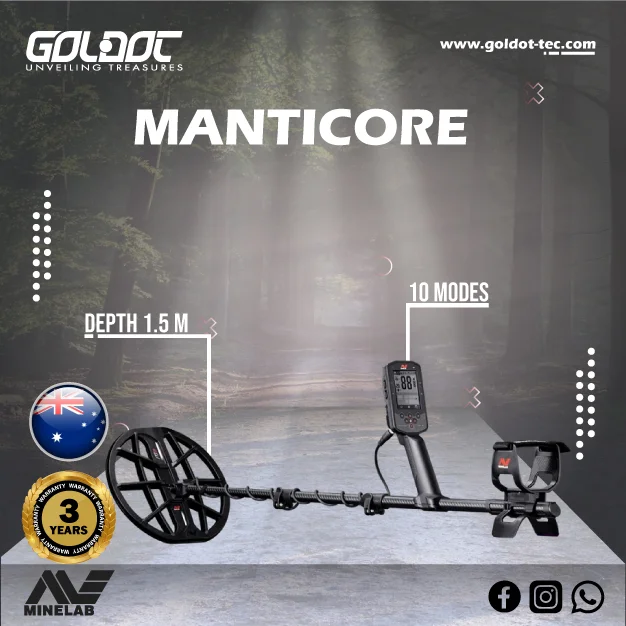
When we break down high-performance gold metal detectors, we see a focus on three pillars: Ground Balance, Signal Processing, and Coil Geometry. Standard gold metal detectors often struggle with “ground noise,” which are false signals caused by magnetic minerals in the soil. However, professional gold metal detectors use advanced Pulse Induction or Multi-IQ frequencies to cancel out this interference.
The frequency of gold metal detectors determines what you find. High-frequency machines are “nugget hunters,” perfect for small flakes, while low-frequency gold metal detectors punch deep into the earth for larger caches. The versatility of modern gold metal detectors means you no longer have to choose; you can have a machine that adapts to the target in milliseconds. This is the hallmark of professional gold metal detectors—the ability to be surgical and powerful simultaneously.
Many experts argue that the modern prospector needs versatility. This is where the high-end gold and metal detector category shines. A high-quality gold and metal detector is not just for the gold fields; it is a master of all terrains. Whether you are searching for ancient coins in Europe or gold veins in Africa, a gold and metal detector provides the necessary flexibility.
A professional gold and metal detector allows you to switch profiles instantly. You can move from a high-sensitivity “Gold Mode” to a “Relic Mode” for finding bronze or silver artifacts. This makes the gold and metal detector a favorite for professional contractors who work on diverse archaeological or mineral sites. Investing in a gold and metal detector ensures that you are prepared for whatever the earth hides. From the beach to the mountains, the gold and metal detector is the ultimate companion for the serious treasure hunter.
When comparing different models of the professional gold detector, we must look at how they handle “Hot Rocks.” In the Australian outback, for example, the soil is notoriously difficult. A professional gold detector like the GPZ 7000 uses ZVT technology, which is leagues ahead of standard VLF units. This specific professional gold detector can find gold at depths 40% deeper than its predecessors. This is why it is often cited in the list of best gold detectors globally.
| Feature | Professional VLF System | Professional PI System |
| Target Type | Small nuggets & jewelry | Deep veins & large nuggets |
| Ground Handling | High sensitivity in mild soil | Best for heavy mineralization |
| Discrimination | Excellent (ignores iron) | Basic (focuses on depth) |
Using the best gold detectors in the right environment is the key. While a VLF system is great for picking up tiny flakes, a PI-based professional gold detector is the king of the desert.
The demand for high-end gold detectors is surging in regions like West Africa and the Middle East. In these areas, the gold detectors are more than a tool—they are a livelihood. The most successful miners are those who don’t compromise on their gold detectors. They understand that the “cheapest” machine is actually the most expensive because of the gold it misses. Modern gold detectors come with wireless audio and waterproof coils, ensuring that even in the toughest conditions, the hunt never stops.
When you evaluate gold metal detectors, look at the recovery speed. This is how fast the machine can reset between targets. High-end gold metal detectors have a recovery speed that allows you to find gold hidden right next to a piece of iron trash. This “Target Separation” is what separates hobbyist gold metal detectors from the elite tools. If your gold metal detectors can’t distinguish between a nail and a nugget, you’re wasting your time.
The future of the gold and metal detector lies in AI integration. We are already seeing a gold and metal detector that can learn the soil profile of a specific region and update its software to maximize performance. This level of sophistication in a gold and metal detector means that your gear evolves with you. Whether you are a veteran or a newcomer, a modern gold and metal detector levels the playing field, giving you the tech needed to make a life-changing find.
Success in prospecting is a formula: Knowledge + Persistence + Technology. By choosing a professional gold detector, you satisfy the most critical part of that equation. Whether you are searching for the best gold detectors for a commercial mining operation or a versatile gold and metal detector for weekend exploration, the goal remains the same. The earth is a vast vault, and gold detectors are the keys. Don’t settle for mediocre gold metal detectors when you can have the precision of the elite. Claim your fortune today with the right gear.
The core difference lies in the professional gold detector‘s ability to handle high ground mineralization. While hobby machines get confused by salt and iron, a professional gold detector uses advanced Pulse Induction (PI) or Multi-IQ technology to maintain depth and sensitivity in the harshest terrains.
The best gold detectors for depth are typically those utilizing ZVT (Zero Voltage Transmission) or high-power Pulse Induction. These best gold detectors are engineered to punch through “hot rocks” and reach targets that are buried more than 2 meters deep, making them the top choice for commercial miners.
Yes, but only high-end gold metal detectors are equipped with salt-rejection modes. Most standard gold metal detectors will chatter and provide false signals on the beach, but professional-grade gold metal detectors balance out the conductivity of salt to find submerged jewelry and gold.
Specialized gold detectors are tuned to the specific conductivity of gold. Unlike general sensors, gold detectors operate at higher frequencies (up to 80kHz) which are essential for picking up tiny sub-gram nuggets that general gold detectors would simply ignore.
Absolutely. A high-quality gold and metal detector is designed for versatility. By switching the discrimination settings on your gold and metal detector, you can target specific metal IDs. This makes the gold and metal detector an ideal tool for both gold prospecting and historical relic hunting.