

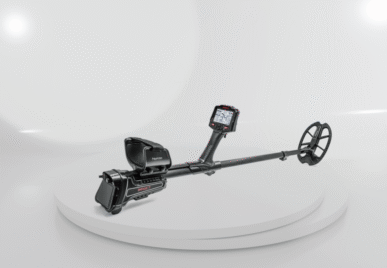
Comparing the top ten metal detectors in 2026 requires more than arranging popular devices according to price or manufacturer claims. The best detector for coins and jewelry may not be suitable for natural gold, while a professional deep-seeking system may be unnecessarily complex for parks, beaches, and recreational searches.
Every detector in this ranking has been selected for a specific application. The comparison considers detection technology, target identification, soil performance, available search modes, operator experience, ergonomics, accessories, and overall commercial value.
The ranking prioritizes broad usefulness first, followed by specialist gold, deep-target, and underground-imaging systems. Therefore, a professional 3D scanner may appear lower in the list even though it offers capabilities that conventional detectors cannot provide.
For a wider introduction to detector categories, review Best Metal Detector – Top Models Compared.
Top Detector Models to Consider
| Rank | Detector | Best Application | Main Technology | Ideal Buyer |
|---|---|---|---|---|
| 1 | Minelab MANTICORE | Premium all-purpose searches | Multi-IQ+ simultaneous multi-frequency | Advanced detectorists |
| 2 | XP DEUS II | Lightweight relic and all-terrain detecting | Fast Multi-Frequency | Intermediate and advanced users |
| 3 | Minelab EQUINOX 900 | Balanced coins, beaches, relics, and gold | Multi-IQ | Intermediate and advanced users |
| 4 | Nokta The LEGEND 2 | Multi-purpose commercial value | Simultaneous multi-frequency | Buyers seeking versatility |
| 5 | Garrett Vortex VX9 | Coins, relics, and saltwater beaches | Multi-frequency | Developing detectorists |
| 6 | Minelab GOLD MONSTER 2000 | Small natural-gold detection | Multi-Au hybrid technology | New and experienced prospectors |
| 7 | Minelab GPX 6000 | Gold in highly mineralized ground | GeoSense-PI | Serious gold prospectors |
| 8 | Lorenz Deepmax Z2 | Large and deeply buried metals | Pulse Ground Balancing System | Professional treasure hunters |
| 9 | Nokta Invenio Pro | Real-time target imaging | Smart detection and imaging | Professional target investigators |
| 10 | OKM eXp 7000 Pro Plus | 3D scans, tunnels, and cavities | 3D ground scanning and VLF | Professional exploration teams |
1. Minelab MANTICORE
The Minelab MANTICORE takes the first position because it offers one of the top ten metal detectors, combining conventional metal detection, target separation, visual identification, waterproof construction, and all-terrain versatility.
Its Multi-IQ+ simultaneous multi-frequency engine is paired with a two-dimensional target-identification system. This helps experienced users study both conductive and ferrous characteristics instead of relying on one target number.
The detector is suitable for coins, jewelry, historical relics, beaches, and underwater searches. Minelab also provides several search modes and advanced audio controls for adapting the detector to different ground conditions and target types.
Best applications:
- Valuable coins.
- Gold and silver jewelry.
- Historical relics.
- Iron-contaminated locations.
- Dry and wet beaches.
- Underwater searches.
- Advanced target analysis.
Main advantages:
- Simultaneous multi-frequency operation.
- Detailed two-dimensional identification.
- Strong separation between nearby targets.
- Multiple search environments.
- Waterproof construction.
- Advanced audio customization.
- Compatible accessory coils.
Possible limitations:
- Premium investment category.
- Detailed controls require practice.
- It cannot identify empty underground cavities.
- It does not replace a professional large-target scanner.
- Specialist gold prospectors may prefer pulse induction.
The MANTICORE is the strongest overall recommendation for experienced buyers who want one conventional detector for several environments.
2. XP DEUS II
The XP DEUS II ranks second because of its lightweight construction, rapid recovery, wireless design, and excellent adaptability across land, beaches, and underwater environments.
Its Fast Multi-Frequency technology processes simultaneous frequencies and provides a wide range of selectable single frequencies. The wireless architecture connects compatible coils, headphones, and the remote control without the conventional cables used by many detectors.
The system is especially useful in historical areas where valuable targets may be positioned close to nails and other iron objects. XP also continues to provide software support, with version 4.1 released in May 2026 to expand audio options and accessory compatibility.
Best applications:
- Relic hunting.
- Coins near iron.
- Fields and woodland.
- Wet and dry beaches.
- Underwater searches.
- Long field sessions.
- Audio-based target analysis.
Main advantages:
- Very lightweight construction.
- Fast target recovery.
- Wireless detector ecosystem.
- Simultaneous and selectable frequencies.
- Advanced audio controls.
- Several search-coil options.
- Continued software updates.
Possible limitations:
- Different packages may confuse new buyers.
- Advanced menus require familiarization.
- Underwater use requires the correct accessories.
- It does not provide full 3D underground scans.
- Large cache searching requires specialist equipment.
The DEUS II is a leading choice for buyers who prioritize speed, low weight, and performance in locations containing closely spaced targets.
3. Minelab EQUINOX 900
The Minelab EQUINOX 900 provides a balanced alternative for buyers who need advanced controls without moving directly into the MANTICORE category.
Its Multi-IQ technology transmits multiple frequencies during the same search. Users can also select individual operating frequencies when they want to adapt the device to a particular target or ground condition.
The EQUINOX 900 includes Park, Field, Beach, and Gold modes, with customizable profiles for different environments. It is therefore suitable for coins, relics, wet sand, and occasional searches for small natural-gold targets.
Best applications:
- Coins and jewelry.
- Historical fields.
- Wet and dry beaches.
- Small natural-gold targets.
- Relic hunting.
- Buyers upgrading from simpler detectors.
Main advantages:
- Simultaneous multi-frequency technology.
- Selectable single frequencies.
- Dedicated Gold and Beach modes.
- Custom search profiles.
- Detailed audio controls.
- Strong all-terrain versatility.
- Waterproof design.
Possible limitations:
- Less detailed visual information than the MANTICORE.
- Advanced settings require practice.
- Gold Mode does not replace specialist pulse induction.
- It cannot identify non-metallic underground structures.
- Professional deep treasure requires a different system.
The EQUINOX 900 is recommended for buyers seeking a mature and flexible detector for several conventional applications.
4. Nokta The LEGEND 2
Top Ten Metal Detectors include the Nokta LEGEND 2, which earns fourth position because it offers modern simultaneous multi-frequency performance within a value-focused category.
It is designed for several search environments, including parks, fields, beaches, relic locations, and gold-bearing ground. Its search programs and adjustable controls allow buyers to begin with predefined settings and later move toward greater customization.
Nokta presents the LEGEND 2 as a redesigned multi-frequency platform with updated software, stronger processing, and enhanced precision.
Best applications:
- Coins and jewelry.
- Relics.
- Beaches.
- Mineralized fields.
- Occasional small-gold searches.
- Buyers wanting one multi-purpose detector.
Main advantages:
- Simultaneous multi-frequency detection.
- Several target-focused programs.
- Modern target identification.
- Waterproof construction.
- Good range of adjustments.
- Multiple compatible coils.
- Strong commercial value.
Possible limitations:
- Audio settings need practice.
- It is not intended for extreme-depth caches.
- Gold searching remains secondary to specialist machines.
- It cannot scan underground tunnels.
- Maximum performance depends on correct ground settings.
The LEGEND 2 is one of the strongest options for buyers who want broad functionality without entering the highest premium price category.
5. Garrett Vortex VX9
The Garrett Vortex VX9 is aimed at serious hobbyists who need greater control, detailed target information, and strong performance on land and saltwater beaches.
It is the highest-specification model in the Vortex platform and includes multi-frequency operation, advanced separation controls, and Multi-Salt performance. The Vortex family also supports software-based upgrades between compatible model levels.
Garrett released firmware version 9.13 for the VX9 in February 2026, including improvements to iron unmasking, Multi-Salt sensitivity, and sensitivity controls.
Best applications:
- Coins.
- Jewelry.
- Historical relics.
- Iron-contaminated sites.
- Wet and dry beaches.
- Intermediate users developing advanced skills.
Main advantages:
- Multi-frequency operation.
- Useful target-information display.
- Multi-Salt beach performance.
- Adjustable recovery controls.
- Waterproof construction.
- Upgradeable software platform.
- Competitive positioning.
Possible limitations:
- Less specialist than dedicated gold detectors.
- It does not provide 3D imaging.
- Advanced target information requires interpretation.
- Package availability may vary by market.
- Large deep treasure requires another detector type.
The VX9 is recommended for buyers who want advanced features while maintaining a more accessible purchasing route than some premium competitors.
6.Gold-monster-2000
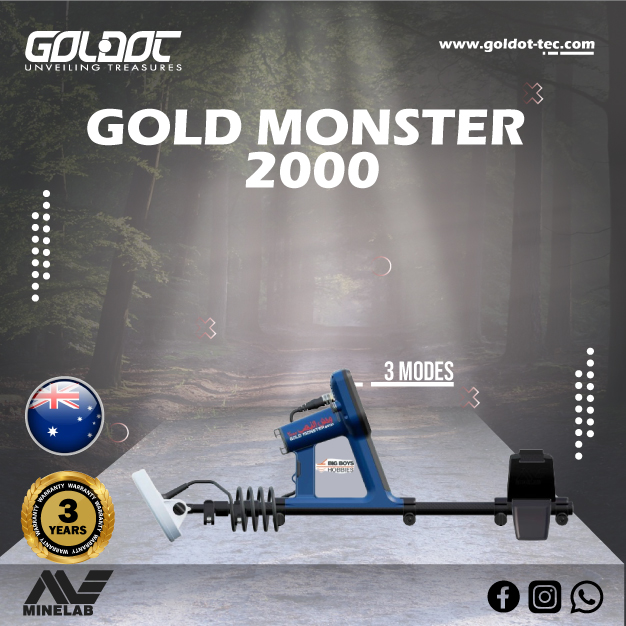
The GOLD MONSTER 2000 is the first specialist natural-gold model in this ranking.
Top Ten Metal Detectors include models that use Minelab’s Multi-Au technology, combining simultaneous multi-frequency sensitivity with ground handling designed for mineralized goldfields. Its controls are simpler than those found on many professional gold detectors, making it suitable for buyers beginning natural-gold prospecting.
The detector weighs approximately 1.25 kilograms and provides Normal, Benign, and Difficult search modes. Its control unit is rain resistant, while the standard search coil is waterproof to the manufacturer’s stated limit.
Best applications:
- Fine natural gold.
- Small nuggets.
- Mineralized ground.
- Rocky goldfields.
- Beginners entering gold prospecting.
- Long prospecting sessions.
Main advantages:
- High sensitivity to small gold.
- Automatic ground handling.
- Lightweight construction.
- Straightforward controls.
- Search modes for changing ground.
- Clear gold-focused audio.
- Suitable for new prospectors.
Possible limitations:
- Specialized mainly for natural gold.
- The control unit is not intended for full underwater use.
- It is less suitable for deep large targets.
- It does not create underground images.
- Coin hunters may prefer a general multi-frequency detector.
The GOLD MONSTER 2000 is the recommended gold detector for buyers who prioritize ease of use and sensitivity to small natural targets.
For more gold-focused comparisons, review gold detection equipment Comparison Top Rated Gold Detectors.
7. Minelab GPX 6000
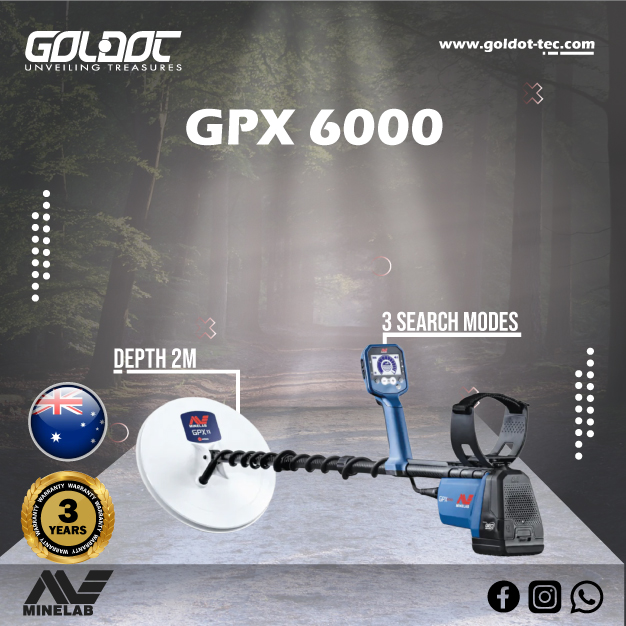
The Minelab GPX 6000 is designed for serious prospectors working in mineralized and challenging goldfields.
Its GeoSense-PI pulse induction technology analyzes ground and target signals to help operators hear weak responses in difficult soil. It also provides automatic and manual sensitivity controls, noise cancellation, and different ground settings.
The detector is recommended for buyers who have progressed beyond introductory gold equipment and need stronger ground stability and deeper pulse induction performance.
Best applications:
- Natural-gold prospecting.
- Mineralized ground.
- Small and deeper nuggets.
- Difficult desert terrain.
- Remote exploration.
- Professional gold-searching projects.
Main advantages:
- Pulse induction stability.
- Technology designed for natural gold.
- Automatic and manual controls.
- Clear audio for weak signals.
- Compatible mono and Double-D coils.
- Suitable for challenging ground.
- More straightforward than many older PI systems.
Possible limitations:
- Premium specialist investment.
- Less detailed target discrimination.
- Not ideal for modern parks and urban locations.
- It does not identify underground cavities.
- Audio interpretation requires field experience.
The GPX 6000 is the stronger choice when mineralized ground and natural-gold depth are more important than conventional target identification.
Buyers comparing additional systems can read Top Rated Gold Detectors Comparison Klayzer Max 2D vs KS-900.
8. Lorenz Deepmax Z2
The Lorenz Deepmax Z2 is a professional deep-seeking detector created for both small search coils and large frame configurations.
Large coils produce a broad magnetic field suitable for substantial metallic targets, while smaller coils improve sensitivity to individual coins and gold nuggets. Its pulse ground-balancing system is designed to remain stable in soils containing magnetic minerals.
Lorenz introduced an updated display and software refinements for the 2025 Z2 model while retaining its established core technical performance.
Best applications:
- Large treasure caches.
- Deep ferrous targets.
- Deep non-ferrous metals.
- Archaeological metal objects.
- Military relics.
- Buried containers.
- Open-area surveys.
Main advantages:
- Strong performance on large deep metals.
- Pulse stability in difficult soil.
- Small and large coil options.
- Frame coils for extensive targets.
- Ferrous and non-ferrous analysis.
- Optional data-logging capability.
- Professional construction.
Possible limitations:
- Primarily designed for metal detection.
- Empty cavities may not produce a response.
- Large coils require open search areas.
- Small targets require an appropriate coil.
- Professional mapping needs additional equipment.
- It is less practical for ordinary beach detecting.
The Deepmax Z2 is recommended when the buyer expects a large metallic object rather than coins, thin jewelry, or non-metallic structures.
9. Nokta Invenio Pro
The Nokta Invenio Pro is one of top ten metal detectors that combines metal detection with smart target imaging.
The system tracks coil movement and processes the collected signals to estimate target position, shape, dimensions, depth, and metal category. It can also help identify ground anomalies and possible cavities.
The displayed image is not a photograph of the buried object. It is a calculated representation based on detector signals and positional data. Nokta positions the Invenio Pro as a professional platform for treasure, relic, metal, and anomaly investigation.
Best applications:
- Treasure target analysis.
- Estimated target dimensions.
- Metal discrimination.
- Cavity investigation.
- Archaeological surveys.
- Pre-excavation evaluation.
Main advantages:
- Real-time visual target information.
- Estimated shape and dimensions.
- Target-position tracking.
- Ferrous and non-ferrous analysis.
- Ground-anomaly investigation.
- More information than audio-only detectors.
Possible limitations:
- Requires controlled coil movement.
- Visual results require interpretation.
- Soil conditions can affect accuracy.
- More complex than standard detectors.
- It is not suitable for fast recreational searches.
The Invenio Pro is recommended when the operator needs greater information about a target before beginning excavation.
10. OKM eXp 7000 Pro Plus
The OKM eXp 7000 Pro Plus takes the tenth position because it serves a highly specialized professional market rather than the average metal detector buyer.
Its lower position does not indicate limited capability. The system offers functions that conventional detectors cannot provide, including structured 3D underground visualization, Tunnel Scan, Mineral Scan, and Live Scan.
The device provides eight operating modes covering 3D scanning, VLF detection, magnetometer searching, mineral exploration, tunnels, live visualization, and pinpointing. Scan results can be analyzed in Visualizer 3D Studio.
Best applications:
- Professional treasure surveys.
- Large underground anomalies.
- Tunnels and cavities.
- Chambers and cellars.
- Archaeological structures.
- Mineralized gold zones.
- Pre-excavation investigations.
Main advantages:
- Eight specialist operating modes.
- 3D underground visualization.
- VLF metal-detection functions.
- Tunnel and cavity investigation.
- Mineral Scan mode.
- Live underground feedback.
- Professional analysis software.
Possible limitations:
- Ultra-professional investment category.
- Requires detailed training.
- Scan quality depends on operator consistency.
- Correct scan lines and sensor movement are essential.
- It is unnecessary for ordinary coin hunting.
- Results are data visualizations rather than photographs.
The eXp 7000 Pro Plus is the strongest option in this ranking for complex underground surveys rather than ordinary recreational metal detection.
Key Features and Technologies
Understanding technology helps buyers choose from the recommended metal detectors more effectively than relying on ranking position.
Simultaneous Multi-Frequency
Simultaneous multi-frequency systems process several frequencies during the same search.
They are commonly recommended for:
- Coins with different conductivity levels.
- Gold and silver jewelry.
- Historical relics.
- Wet saltwater beaches.
- Locations with changing soil.
- General-purpose detecting.
The MANTICORE, DEUS II, EQUINOX 900, LEGEND 2, and Vortex VX9 belong to this broad category, although their signal processing, target displays, and audio systems differ.
Selectable Single Frequencies
Top Ten Metal Detectors offer selectable frequencies that allow the operator to focus on a specific target category or ground condition.
Higher frequencies can provide greater sensitivity to small or low-conductive objects, while lower frequencies may favor larger or highly conductive targets.
Frequency should not be considered alone. Coil size, recovery speed, ground balance, signal processing, and search technique also influence performance.
Pulse Induction Technology
Pulse induction systems transmit magnetic pulses and analyze the returning target response.
They are often selected for:
- Natural gold.
- Mineralized soil.
- Black sand.
- Difficult ground.
- Large buried metals.
- Locations where conventional VLF systems lose stability.
The GPX 6000 focuses on natural gold, while the Lorenz Deepmax Z2 emphasizes large metallic objects and flexible coil configurations.
The ULTIMATE GUIDE TO METAL DETECTION provides a wider explanation of detection technologies and field applications.
Smart Target Imaging
Smart imaging combines metal-detection signals with information about coil movement.
The system can estimate:
- Target location.
- Approximate shape.
- Dimensions.
- Depth.
- Metal category.
- Possible ground anomalies.
The output remains an interpretation of collected signals and should be confirmed through repeated scans.
3D Ground Scanning
A 3D ground scanner collects measurements across a structured field. Software converts those measurements into a graphical representation of underground anomalies.
This technology may help investigate:
- Large buried metals.
- Treasure containers.
- Tunnels.
- Chambers.
- Graves.
- Cellars.
- Cavities.
- Mineralized zones.
Accurate scanning requires consistent line spacing, walking speed, sensor orientation, and field dimensions.
Depth Performance and Accuracy of Top Ten Metal Detectors
A detector’s maximum depth cannot be represented by one guaranteed number.
A large metal chest produces a stronger signal than a small coin, thin chain, or gold flake. The same detector can therefore reach significantly different depths according to the target.
| Performance Factor | Effect on Results |
|---|---|
| Target size | Larger objects normally create stronger signals |
| Target material | Conductivity affects detector response |
| Target orientation | Position can strengthen or weaken the signal |
| Search-coil size | Larger coils favor large deep targets |
| Soil mineralization | Strong ground signals can reduce stability |
| Search frequency | Different frequencies favor different targets |
| Wet salt ground | Conductive salt affects unsuitable detectors |
| Surface contamination | Shallow iron may mask deeper objects |
| Device settings | Incorrect sensitivity can create instability |
| Operator technique | Controlled movement improves repeatability |
A trustworthy comparison should always connect depth to the target size, soil, coil, and technology.
The detector with the greatest large-target depth may not provide the best coin identification. Similarly, a detector with excellent small-gold sensitivity may not locate a large treasure cache as effectively as a frame-coil system.
Best Uses: Gold, Treasure, Coins, Beach
Best Overall Detector
The Minelab MANTICORE is the overall recommendation for experienced buyers searching for coins, jewelry, relics, and beach targets.
The XP DEUS II is the stronger alternative when low weight and rapid recovery are the main priorities.
Best Detector for Coins
The MANTICORE offers advanced target visualization and separation.
The EQUINOX 900 provides a more accessible route for buyers who still require customizable search modes and strong multi-frequency performance.
Best Detector for Relics
The XP DEUS II is recommended for iron-contaminated historical locations because of its recovery speed, audio flexibility, and lightweight design.
The LEGEND 2 offers a value-focused alternative for mixed relic and coin searches.
Best Detector for Beaches
The MANTICORE, DEUS II, EQUINOX 900, LEGEND 2, and Vortex VX9 all provide suitable beach-searching options.
The final selection should consider:
- Waterproof depth.
- Saltwater stability.
- Detector weight.
- Underwater audio.
- Target separation.
- Search-coil size.
- Operator experience.
Best Detector for Small Natural Gold
The GOLD MONSTER 2000 is recommended for buyers seeking a simple, lightweight, and highly sensitive gold detector.
It is especially appropriate for first-time prospectors and operators targeting fine natural gold.
Best Detector for Mineralized Goldfields
The GPX 6000 is the specialist recommendation when pulse induction stability and performance in difficult ground are required.
Best Detector for Large Deep Treasure
The Lorenz Deepmax Z2 is recommended for substantial metallic targets, particularly when paired with an appropriate large or frame coil.
Best Detector for Target Imaging
The Nokta Invenio Pro is suitable when the buyer wants estimated target shape, dimensions, location, and depth before excavation.
Best Detector for Tunnels and Cavities
The OKM eXp 7000 Pro Plus is recommended for underground structures, voids, tunnels, and professional 3D surveys.
Best Detector for Beginners
Beginners who want a conventional detector should generally consider models with straightforward factory programs and automatic controls before moving to a professional imaging system.
Buyers comparing introductory treasure-searching devices can review Best Entry Level Metal Detector Titan X13 vs Titan GER-1000.
Price Range and Value Comparison
Exact detector prices change according to country, package, search coils, software, accessories, shipping, and taxes.
| Detector | Investment Category | Strongest Value |
|---|---|---|
| Minelab MANTICORE | Premium | Advanced all-purpose detecting |
| XP DEUS II | Premium | Lightweight wireless performance |
| Minelab EQUINOX 900 | Upper mid-range | Balanced all-terrain versatility |
| Nokta LEGEND 2 | Mid-range | Multi-purpose commercial value |
| Garrett Vortex VX9 | Mid-range | Control and upgrade potential |
| GOLD MONSTER 2000 | Gold specialist | Small-gold sensitivity and ease of use |
| Minelab GPX 6000 | Premium gold specialist | Mineralized-ground prospecting |
| Lorenz Deepmax Z2 | Professional | Large deep metallic targets |
| Nokta Invenio Pro | High professional | Smart target visualization |
| OKM eXp 7000 Pro Plus | Ultra-professional | 3D underground investigation |
Buyers should compare the complete package, including:
- Standard search coil.
- Optional coils.
- Wireless headphones.
- Battery and charger.
- Pinpointer.
- Frame coil.
- Data logger.
- Visualization software.
- Tablet or display unit.
- Carrying case.
- Training.
- Warranty.
- Technical support.
- Shipping and import fees.
The cheapest quotation may exclude accessories required for the intended application. Request a current Goldot-Tec quotation for the complete detector package instead of comparing control-unit prices alone.
Pros and Cons of Leading Options
| Detector | Main Advantage | Main Limitation |
|---|---|---|
| Minelab MANTICORE | Detailed target identification and broad versatility | Premium price and advanced controls |
| XP DEUS II | Lightweight, wireless, and fast | Package and menu complexity |
| EQUINOX 900 | Balanced features and all-terrain performance | Less visual information than MANTICORE |
| LEGEND 2 | Strong features for its category | Not designed for extreme-depth treasure |
| Vortex VX9 | Upgradeable platform and beach performance | No professional underground imaging |
| GOLD MONSTER 2000 | Easy small-gold detection | Specialized application |
| GPX 6000 | Gold performance in mineralized soil | Limited target discrimination |
| Deepmax Z2 | Large-target depth and coil flexibility | Primarily focused on metal |
| Invenio Pro | Estimated shape and dimension imaging | Requires structured scanning |
| eXp 7000 Pro Plus | 3D surveys, minerals, tunnels, and cavities | High cost and training requirements |
How to Choose the Right Device from Top Ten Metal Detectors
Identify the Main Target
Use the target as the first buying filter.
| Main Target | Recommended Detector |
|---|---|
| Coins and jewelry | MANTICORE or EQUINOX 900 |
| Relics near iron | XP DEUS II |
| Multi-purpose detecting | LEGEND 2 or Vortex VX9 |
| Small natural gold | GOLD MONSTER 2000 |
| Gold in difficult soil | GPX 6000 |
| Large deep metals | Lorenz Deepmax Z2 |
| Target imaging | Nokta Invenio Pro |
| Tunnels and cavities | OKM eXp 7000 Pro Plus |
Evaluate the Search Ground
Inform the supplier whether the location contains:
- Mineralized soil.
- Wet saltwater sand.
- Black sand.
- Volcanic rock.
- Dry desert terrain.
- Agricultural soil.
- Dense iron contamination.
- Open ground suitable for frame coils.
Ground conditions can be more important than the detector’s ranking.
Decide Whether Discrimination Is Required
Coin and jewelry hunters usually need detailed discrimination.
Natural-gold prospectors often prioritize ground stability and sensitivity over precise metal identification.
Large-target hunters may prioritize depth and ground coverage, while professional scanners focus on anomaly location and structure.
Decide Whether Imaging Is Necessary
A conventional detector is usually sufficient when the user only needs to locate metal.
The Invenio Pro or eXp 7000 becomes relevant when the operator also needs information about shape, dimensions, underground structures, or cavities.
Match the Detector to Experience
New users normally benefit from:
- Automatic ground balance.
- Clear factory programs.
- Simple target identification.
- Moderate adjustment options.
- Lightweight construction.
Professional systems may require:
- Manual ground controls.
- Advanced audio interpretation.
- Coil selection.
- Structured scan fields.
- Software analysis.
- Repeated confirmation scans.
Check Product Originality
Professional detectors should be purchased from a reliable supplier.
Before ordering, confirm:
- The product is original.
- The serial number is valid.
- Package contents are listed.
- The warranty is included.
- Software updates are available.
- Original accessories can be supplied.
- Training and support are provided.
Common Buying Mistakes to Avoid
Choosing by Ranking Alone
A detector ranked first for general use may be unsuitable for natural gold, large treasure, or tunnels.
Trusting One Depth Number
Depth claims are incomplete without the target size, metal type, coil, soil, and device settings.
Buying the Largest Search Coil
Large coils favor large targets and ground coverage but may reduce sensitivity to small objects.
Confusing Gold Jewelry with Natural Gold
Gold rings, treasure bars, and natural nuggets require different settings and technologies.
Expecting One Detector to Find Everything
Coins, gold nuggets, large caches, and empty cavities cannot all be detected equally by one technology.
Expecting a Photographic Image
Smart imaging and 3D scanners produce graphical interpretations of measured data rather than underground photographs.
Ignoring Detector Weight
Heavy or poorly balanced equipment can shorten search sessions and reduce scanning consistency.
Buying Without Training
Incorrect ground balance, coil movement, sensitivity, or scan technique can produce unstable or misleading results.
Ignoring Package Contents
A lower price may exclude important coils, software, headphones, training, or warranty services.
Ignoring Local Regulations
Metal detecting, gold prospecting, archaeology, and excavation may require landowner or government permission. Confirm local regulations before searching.
Final Recommendation and FAQs
The top ten metal detectors cover different applications rather than one universal search method.
Choose the Minelab MANTICORE for premium general detecting, the XP DEUS II for lightweight relic hunting, or the EQUINOX 900 for balanced all-terrain performance.
The Nokta LEGEND 2 and Garrett Vortex VX9 provide strong commercial choices for buyers seeking multi-purpose detection at a more accessible investment level.
Choose the GOLD MONSTER 2000 for small natural gold and the GPX 6000 for professional prospecting in mineralized ground.
The Lorenz Deepmax Z2 is recommended for large and deeply buried metallic targets. The Nokta Invenio Pro provides smart target visualization, while the OKM eXp 7000 Pro Plus is designed for advanced 3D surveys, tunnels, cavities, and underground structures.
Before ordering, provide Goldot-Tec with details about the expected target, soil, search location, experience, and required applications. This allows the team to recommend the correct detector, coil, and complete package.
What are the top ten metal detectors in 2026?
The ranking includes the Minelab MANTICORE, XP DEUS II, EQUINOX 900, Nokta LEGEND 2, Garrett Vortex VX9, GOLD MONSTER 2000, GPX 6000, Lorenz Deepmax Z2, Nokta Invenio Pro, and OKM eXp 7000 Pro Plus.
What is the best overall detector in the ranking?
The Minelab MANTICORE is the best overall conventional detector because it supports coins, jewelry, relics, beaches, and underwater searches. Specialist applications may require another model.
Which top metal detector is best for beginners?
The GOLD MONSTER 2000 is approachable for new gold prospectors. Buyers interested in coins and jewelry should select a conventional detector with clear factory programs and automatic controls.
Which detector is best for natural gold?
The GOLD MONSTER 2000 is suitable for fine gold and straightforward operation, while the GPX 6000 provides stronger pulse induction performance in mineralized ground.
Which detector is best for deep treasure?
The Lorenz Deepmax Z2 is recommended for large deeply buried metallic targets when used with a suitable search coil.
Which detector is best for coins and jewelry?
The Minelab MANTICORE is the premium recommendation. The EQUINOX 900, LEGEND 2, and Vortex VX9 provide alternative investment levels.
Which detector can find tunnels and cavities?
The OKM eXp 7000 Pro Plus includes specialized ground-scanning functions for investigating underground voids and structures.
Can one detector find coins, gold, deep treasure, and tunnels?
Top Ten Metal Detectors do not lead every application. Multi-frequency machines suit coins and jewelry, gold detectors focus on nuggets, deep pulse systems locate large metals, and 3D scanners investigate underground structures.