

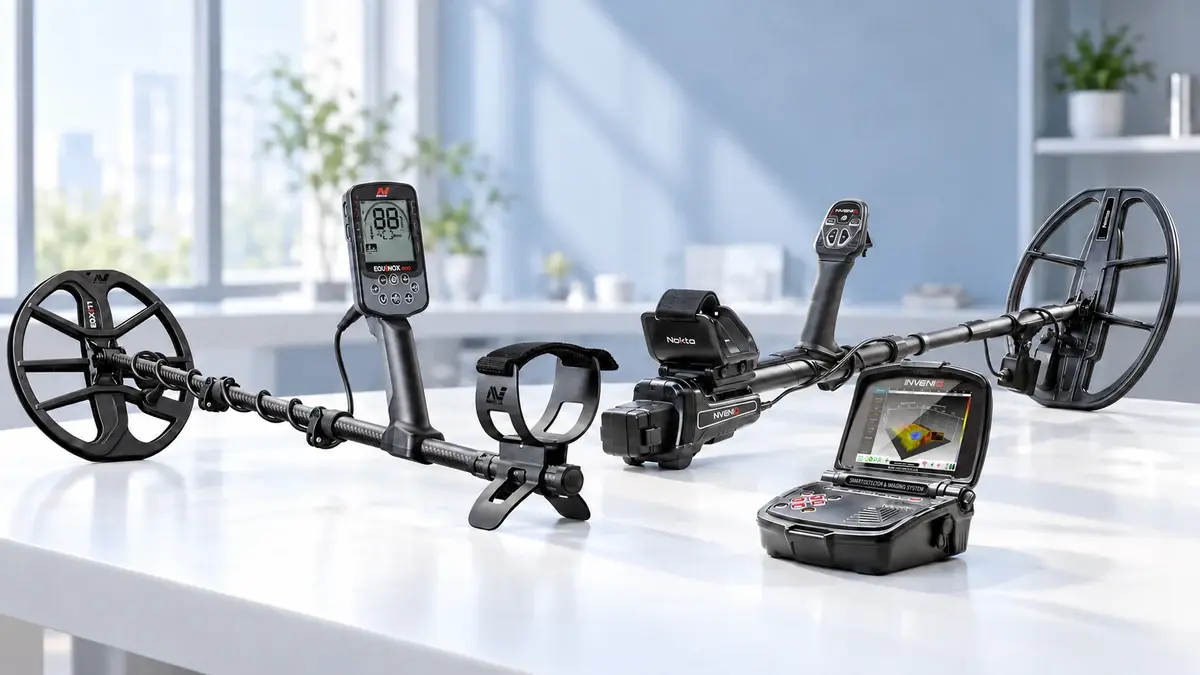
The Top 10 Metal Detectors for US searches should be compared by target, ground conditions, and operating experience, not by a universal power ranking. A detector for small natural gold does not solve the same problem as a beach machine. Likewise, a deep-target system serves a different buyer from a professional 3D scanner. Identify where you plan to search and how much technical setup you want before choosing a package.
Therefore, this guide compares ten leading systems by role. The list covers natural-gold prospecting, coins, jewelry, relics, beaches, deep metallic targets, and underground scanning. Each model earns its place because it solves a specific search problem.
US buyers should also think about location before ordering. California prospecting can create different priorities from a Florida beach search. Texas users may focus on coins or relics at locations where detecting is permitted. As a result, target type, ground conditions, access rules, experience, ergonomics, and coil choice all matter.
This page is the main Goldot-Tec Top 10 comparison. It should not compete with shorter list articles that repeat the same ten models. Instead, use supporting guides when you need a narrower decision. For example, the Top 5 guide can shorten the shortlist, while specialist gold content can go deeper into raw-gold prospecting.
Before placing an order, compare detector specifications at Goldot-Tec to review the technologies that match your project. Verify the current package contents before ordering.
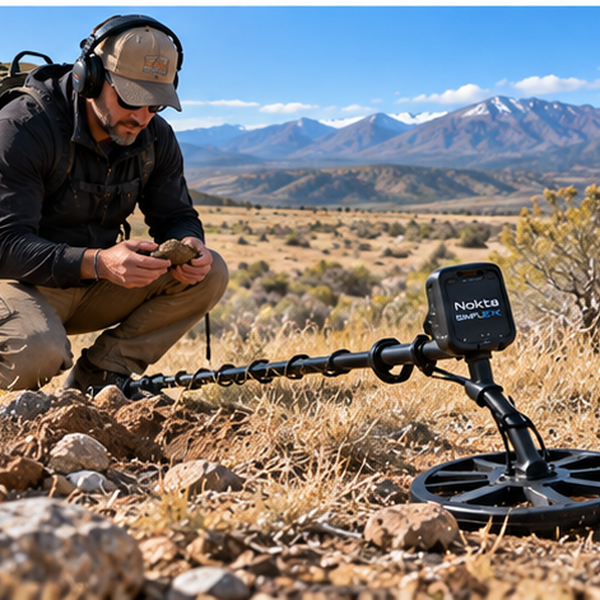
How the Top 10 Metal Detectors Are Compared
A useful Top 10 Metal Detectors comparison needs a clear method. Otherwise, the first model can look like the automatic choice for every buyer.
This guide uses application first. Then it considers technology, target information, ground handling, portability, coil options, and operator experience.
Search Goal Comes First
The main target removes unsuitable categories quickly.
Natural gold may require a specialist gold platform. Coins and jewelry usually benefit from fast target identification and discrimination. Large buried metal can justify a professional deep-search system. Meanwhile, cavities and tunnels can require structured ground scanning.
Therefore, the list does not describe one detector as the strongest for every search.
Ground and Site Conditions Matter
Mineralization, saltwater, iron contamination, rocky terrain, and open ground can change the buying decision.
For example, a detector that feels excellent in a park may not suit a mineralized goldfield. Likewise, a gold detector may provide fewer practical advantages on a Florida beach than a versatile multi-frequency machine.
Experience Changes the Best Setup
Advanced equipment can offer more control. However, it can also require more training.
Beginners may value stable default programs, automatic settings, and clear target information. Experienced operators may want advanced ground controls, several coils, specialist scan modes, or software analysis.
Consequently, the best detector is the one you can use effectively for your actual search.
Top 10 Picks for US Search Goals
The table below shows the role of each model within this Top 10 Metal Detectors selection. The order is not a guaranteed depth or performance ranking. The final column shows when a different technology could be a better purchase.
| Detector | Main Technology | Primary US Buying Role | User Level | When Another Detector May Fit Better |
|---|---|---|---|---|
| Minelab GPZ 8000 | GeoZVT | Professional natural-gold prospecting | Advanced / Professional | Prefer multi-frequency for coins or beaches. |
| Nokta Magnetar 9000 | Advanced Pulse Induction | Mineralized goldfields | Advanced / Professional | Prefer target ID at trashy parks. |
| XP DEUS II with HF2 Coil | FMF / HF2 high-frequency coil | Gold, relics, lightweight versatile use | Intermediate / Advanced | Consider specialist PI for severe goldfield conditions. |
| Minelab Equinox 900 | Multi-IQ | Coins, jewelry, relics, beaches, occasional gold | Intermediate / Advanced | Choose scanning for cavities or surveyed anomalies. |
| Nokta The LEGEND 2 | Simultaneous multi-frequency | Multi-purpose conventional detecting | Beginner / Advanced | Choose dedicated PI or imaging when required. |
| Lorenz Deepmax Z2 | Pulse GBS | Large buried metallic targets | Professional | Prefer conventional detecting for small coins and jewelry. |
| Groundtech GR-4 Dual | 3D scanning + PI detection | Metal detection plus structured scanning | Professional | Simpler detecting suits projects without scanning. |
| Groundtech GR-4 | 3D ground scanner | Underground anomalies and structures | Professional | Choose GR-4 Dual when PI detection is needed. |
| Nokta Invenio Pro | VLF + IPTU positional imaging | Target imaging and structured investigation | Professional | Skip imaging when ordinary target ID suffices. |
| OKM eXp 7000 Professional Plus | 3D scanning + VLF | Multi-mode underground survey work | Professional | Use simpler equipment for recreational detecting. |
1. Minelab GPZ 8000
The Minelab GPZ 8000 serves buyers who focus on serious natural-gold prospecting. It uses GeoZVT technology and supports Z-Set concentric toroidal coils.
The buying advantage comes from specialization. Goldfields can contain mineralization, conductive ground, and electromagnetic interference. Therefore, a professional prospector may value a platform designed around those conditions.
Coil planning also matters. Minelab currently offers Z13, Z17, and Z18 options for different ground, target, and coverage priorities.
However, the GPZ 8000 is not a general coin machine. Buyers who mainly search parks or beaches can gain more practical value from another category.
If natural gold is your priority, use the specialist gold detector comparison for a deeper shortlist suited to prospecting rather than coin or beach searches.
2. Nokta Magnetar 9000
The Nokta Magnetar 9000 uses Advanced Pulse Induction technology. It also supports Nokta’s Dual-Receiver Coil system.
Its main buying role is serious gold prospecting in difficult ground. In addition, Easy and Expert modes let different users choose a simpler or more adjustable workflow.
Nokta currently offers MG29 and MG37 coils. The smaller option can suit tighter terrain, while the larger coil increases ground coverage.
Waterproof construction also expands its field use. However, no feature guarantees a fixed depth or gold result.
Buyers should choose the Magnetar 9000 because its PI platform, controls, and coil choices match the site. For a deeper technical overview, review the Nokta Magnetar 9000 buying guide.
3. XP DEUS II with HF2 Coil
XP DEUS II becomes especially interesting for gold and difficult small-target work when paired with the HF2 elliptical coil.
The HF2 coil supports multi-frequency operation up to 90 kHz and mono-frequency operation up to 120 kHz. Therefore, it gives the DEUS II platform a strong high-frequency option.
The buying advantage is versatility. A user can search for relics, conventional targets, and natural gold without moving to a heavy specialist platform.
Its wireless design and low coil weight also support long field sessions.
However, buyers should treat the HF2 as a configuration choice, not as a separate detector model. The correct DEUS II package depends on the controller, headphones, coil, and search goal.
4. Minelab Equinox 900
The Minelab Equinox 900 is a versatile conventional detector. It uses Multi-IQ and also provides several single-frequency choices.
Search modes include Park, Field, Gold, and Beach programs. Therefore, one platform can cover many common US search environments.
Its strongest buying case appears when you need coins, jewelry, relics, beaches, and occasional gold work from one detector.
The detector is also IP68 waterproof to 5 meters according to Minelab. That makes it relevant to wet environments when used within manufacturer specifications, including accessory limitations.
However, a serious natural-gold prospector may still prefer a specialist platform. Likewise, a professional cavity project requires a different technology.
Choose Equinox 900 when versatility matters more than one highly specialized search role.
5. Nokta The Legend 2
The Legend 2 gives buyers another simultaneous multi-frequency option for conventional detecting.
Nokta includes Park, Field, Beach, Relic, and Gold modes. As a result, the detector can move between several target categories without changing platforms.
The 99-point Target ID scale and multiple tone options also help users customize target information.
This makes The Legend 2 attractive to buyers who want one machine for coins, jewelry, relics, beach searches, and occasional gold use.
However, a multi-purpose detector should not replace a specialist system when the project requires one. Serious deep gold, frame-coil searching, or professional imaging can justify another category.
6. Lorenz Deepmax Z2
Lorenz Deepmax Z2 focuses on large and deep metallic targets. It uses a non-motion Pulse GBS platform.
Its coil ecosystem creates much of the buying value. Smaller coils can serve one target scale, while large frame configurations can emphasize substantial buried metal.
Therefore, the Z2 should not be compared with a coin detector through one depth figure.
A buyer searching large buried metallic objects has different requirements from someone recovering individual coins. Coverage, target size, ground conditions, and frame-coil handling become more important.
The Z2 can also support structured data logging with the appropriate equipment. However, it remains a metal-detection platform. Empty cavities require another method. Review the Lorenz Deepmax Z2 configuration and confirm the precise search coil or frame supplied before requesting your professional package.
7. Groundtech GR-4 Dual
The Groundtech GR-4 Dual combines two professional workflows.
It uses a 3D ground-scanning system and integrates a Pulse Induction detector. Therefore, the operator can investigate both metallic responses and broader underground anomalies.
This makes the system relevant to complex projects where one technology may not answer every question.
The PI component can support direct metal searching. Meanwhile, the 3D workflow can produce data for analysis in the Groundtech Portal application.
However, buyers should not treat a 3D visualization as a photograph of a buried object. Scan quality depends on technique and interpretation.
Choose GR-4 Dual when the project genuinely needs both detection and scanning.
8. Groundtech GR-4
The Groundtech GR-4 focuses on 3D ground scanning rather than integrated PI metal detection.
It uses MFS-2 dual-sensor technology and supports 3D Ground Scan, Live Scan, and Pinpointer modes.
Therefore, its strongest buying role is structured underground investigation.
A conventional coin hunter usually does not need this workflow. Likewise, a gold prospector focused on small nuggets can gain more practical value from a dedicated gold detector.
The GR-4 makes more sense when the project involves anomalies, underground structures, or a planned survey area.
Because scanning requires consistent field technique, operator training matters before purchase.
9. Nokta Invenio Pro
Nokta Invenio Pro combines VLF detection with the IPTU positional tracking system.
The Pro version operates at 5, 14, and 20 kHz. It also provides motion and non-motion search modes.
Its main buying difference is target visualization. The system can display information about target location, dimensions, and ground anomalies based on collected detector data.
Therefore, it suits professional investigations where visual information can support the decision to excavate.
However, imaging remains an interpretation of measurements. It should not become a guaranteed identification claim.
Buyers should choose Invenio Pro when imaging adds real value to the project.
10. OKM eXp 7000 Professional Plus
The OKM eXp 7000 Professional Plus sits in the multi-mode professional survey category.
Its operating modes include 3D Ground Scan, 3D VLF Scan, Mineral Scan, Tunnel Scan, Live Scan, Magnetometer, Pinpointer, and VLF Metal Detection.
Therefore, the system can support several underground investigation workflows.
This range makes it relevant to professional users who may need cavities, structures, mineral zones, and metallic targets within one project.
However, that flexibility adds complexity. The operator must understand scan technique, sensor positioning, and software interpretation.
Choose the eXp 7000 when structured survey capability matters more than fast recreational detecting.
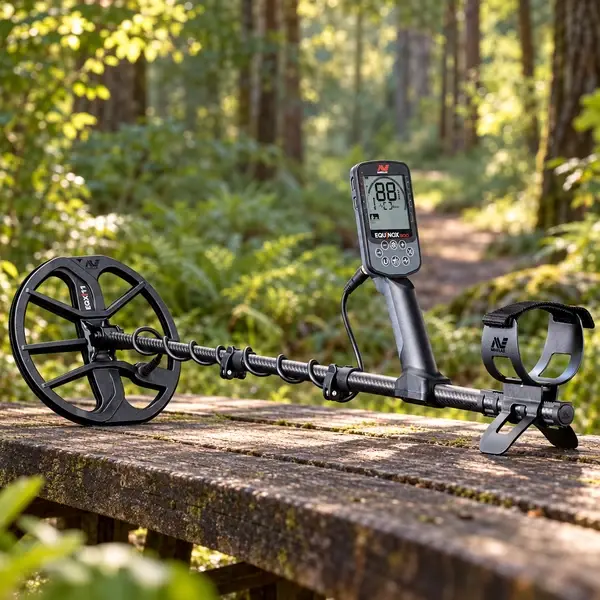
Top 10 Metal Detectors for Gold, Coins and Beaches
US buyers comparing the Top 10 Metal Detectors often search very different environments. Therefore, one detector list should show how the categories change by use case.
California Prospecting Scenario
California provides a useful natural-gold example. However, buyers should always confirm land status and current access rules before prospecting.
A permitted gold-search site may involve rocky terrain, mineralization, exposed bedrock, or open ground.
For difficult goldfield work, GPZ 8000 and Magnetar 9000 become relevant. Meanwhile, DEUS II with HF2 can suit buyers who prioritize lighter equipment and smaller targets.
The correct choice still depends on the specific site. Therefore, do not assume that all California ground requires the same technology.
Texas Detector Use Case
Texas can represent a coin, relic, or mixed-target scenario at locations where detecting is authorized.
That permission point matters. State-park rules can restrict detector use unless the appropriate authorization applies. Private property also requires the owner’s permission.
For conventional allowed sites, Equinox 900 and The Legend 2 can make practical sense.
Both platforms provide multiple search modes and target information. As a result, they fit buyers who move between coins, jewelry, and relics.
A specialist gold or 3D system may add unnecessary complexity for this use case.
Florida Beach Search Scenario
Florida beach detecting creates another buying problem.
Saltwater, wet sand, waterproofing, ergonomics, and target identification all matter.
Equinox 900 fits this environment well as a multi-frequency conventional detector. DEUS II can also become relevant with the right coil and waterproof setup.
However, local rules must come first. Florida State Parks restrict metal detecting to designated areas in certain coastal parks, and park managers can set additional limits.
Therefore, confirm the specific beach rules before searching.
Compare Detector Technologies Before Buying
Technology names can sound like rankings. However, each platform solves a different search problem.
Multi-Frequency Detection
Multi-frequency systems suit buyers who encounter many target types.
Coins, jewelry, relics, beaches, and changing ground can all benefit from a versatile platform.
Equinox 900 and The Legend 2 fit this category. DEUS II also offers a flexible multi-frequency ecosystem.
The main buying benefit is adaptability.
Advanced Pulse Induction
PI technology often becomes relevant in mineralized ground or specialist deep-target work.
Magnetar 9000 uses Advanced Pulse Induction for gold prospecting. Meanwhile, Lorenz Deepmax Z2 uses Pulse GBS for a different deep-target role.
Therefore, the shared PI label does not make the machines interchangeable.
Target scale and coil system still matter.
GeoZVT
GeoZVT is Minelab’s specialist platform in the GPZ 8000.
Its purpose centers on natural-gold prospecting in challenging ground.
Therefore, buyers should compare it against other goldfield technologies, not against beach or coin detectors.
3D Ground Scanning
3D scanners collect structured measurements across an area.
The resulting visualization can support investigation of anomalies, structures, cavities, or larger targets.
GR-4, GR-4 Dual, and eXp 7000 use scanning workflows. Invenio Pro adds another form of target imaging.
However, 3D results require interpretation. They do not provide literal underground photographs. These systems are not automatically ground-penetrating radar (GPR); long-range locators also form a separate category.
Top 10 Metal Detectors by Target Type
The Top 10 Metal Detectors become easier to compare when you start with the target.
Natural Gold
GPZ 8000 and Magnetar 9000 serve serious goldfield users.
DEUS II with HF2 provides a lighter alternative for small-target and versatile work.
If raw gold is your only priority, the dedicated Best Gold Detector guide gives a narrower comparison.
Coins and Jewelry
Equinox 900 and The Legend 2 provide strong conventional versatility.
Both offer modes designed around everyday detecting environments.
DEUS II can also fit this category when lightweight wireless operation matters.
Historical Relics
Relic hunters often need target separation, fast response, audio control, and good operation around iron.
DEUS II, Equinox 900, and The Legend 2 all deserve consideration.
The final choice should follow site conditions and preferred ergonomics.
Large Deep Metal
Lorenz Deepmax Z2 is the specialist choice in this list for substantial buried metallic targets.
GR-4 Dual can also become relevant when the project needs both metal detection and 3D scanning.
Do not use a small-target coin detector as the default for this job.
Cavities and Underground Structures
GR-4 and eXp 7000 fit structured ground-scanning projects.
Invenio Pro can also support anomaly and target-imaging work.
These systems serve a different purpose from fast conventional detecting.
Operator Experience and Ergonomics
A detector can match the target but still be a poor fit for the operator.
Therefore, experience and physical workflow belong in the buying decision.
Beginner-Friendly Conventional Use
A newer user may benefit from clear modes and manageable controls.
The Legend 2 can serve this role for conventional targets. Equinox 900 can also work well for buyers willing to learn more advanced settings.
However, professional scanning systems usually require more structured training.
Experienced Prospecting
GPZ 8000 and Magnetar 9000 suit buyers who are ready to interpret subtle ground and target behavior.
The machines provide specialist capability, but experience helps users get more value from that capability.
Therefore, training should be part of the purchase plan.
Weight and Long Sessions
A lightweight setup can matter during long searches.
DEUS II is especially attractive here.
Meanwhile, large coils, frames, scanners, and survey sensors create different transport requirements.
Consider the complete field kit rather than control-box weight alone.
Coil and Accessory Configuration for Top 10 Metal Detectors
The detector model is only part of the buying decision.
Coils, headphones, batteries, chargers, carrying systems, and software can change how useful the final package becomes.
Match Coil Size to the Target
Small coils can improve maneuverability around rocks and contamination.
Larger coils can increase coverage and can favor larger target scales.
However, the largest coil is not automatically the best option. The ideal size also depends on target orientation, soil mineralization, electrical interference, and the operator’s sweep technique.
Choose the coil around the site and target. Ask for the manufacturer-approved options rather than assuming that coils from other detector families are interchangeable.
Confirm the Actual Package
Dealer packages can differ.
Therefore, request a written list of included equipment before ordering.
Before confirming a US order, check each component against your intended search:
- Standard coil: Confirm the included size and target suitability.
- Additional coils or frames: Confirm compatibility and whether they are included.
- Audio equipment: Check headphones, adapters, and underwater compatibility.
- Power: Check batteries, chargers, and remote-field requirements.
- Transport: Confirm shafts, harnesses, cases, and handling needs.
- Scanner software: Confirm access, compatibility, and training.
- Support: Confirm warranty, setup help, and service terms.
A large frame may work in open ground but not thick vegetation; a lighter coil can improve comfort. For a scanner, confirm software and training. Never assume optional accessories are standard.
Use a Shorter Supporting List When Needed
Some buyers do not need ten models after defining the search category.
In that case, use the shorter five-detector shortlist to reduce the options.
Then return to this Top 10 comparison when you need broader alternatives.
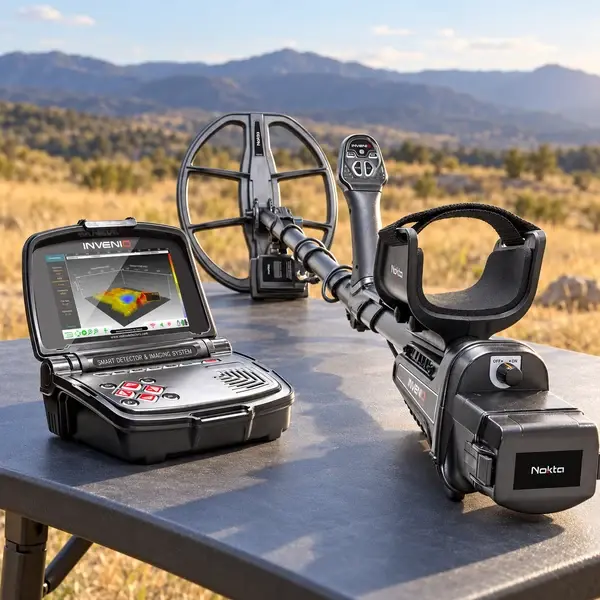
Metal Detector and 3D Scanner Buying Decision
This choice should happen before you compare individual models.
Choose a Conventional Detector
Use conventional metal detection when the primary targets are coins, jewelry, relics, nuggets, or individual metallic objects.
The workflow is usually faster and more direct.
Equinox 900, The Legend 2, DEUS II, GPZ 8000, and Magnetar 9000 all fit metal-detection roles, although their specialties differ.
Choose a Deep Metal System
Large buried metallic targets may justify Lorenz Deepmax Z2.
Its coil choices and Pulse GBS platform serve a very different target scale.
Choose 3D Scanning
If the project involves tunnels, cavities, structures, or broader anomalies, scanning can make more sense.
GR-4 and eXp 7000 belong strongly in this category.
GR-4 Dual adds direct PI detection to the scanning workflow.
Common Top 10 Metal Detectors Buying Mistakes
A comparison only helps if the buyer avoids common category errors.
Choosing by List Position Alone
The number beside a detector does not guarantee that it suits your target.
Therefore, use the role description before looking at the model name.
Treating Depth as One Number
Depth changes with target size, orientation, coil choice, ground, settings, and technique.
As a result, one universal figure should not control the purchase.
Buying a Gold Detector for Beach Jewelry
Natural-gold prospecting and beach jewelry hunting create different requirements.
A multi-frequency beach detector may provide a better workflow for wet sand and mixed targets.
Buying a Scanner for Simple Coin Hunting
Professional imaging adds complexity.
If the normal target is a coin, a conventional detector usually makes more practical sense.
Ignoring Permissions
The right detector does not create legal access.
California prospecting, Texas detecting, and Florida beach searches can all involve location-specific rules.
Therefore, confirm access before you search.
Ignoring the Package
Two offers for the same detector may include different coils or accessories.
Always compare the full configuration before ordering.
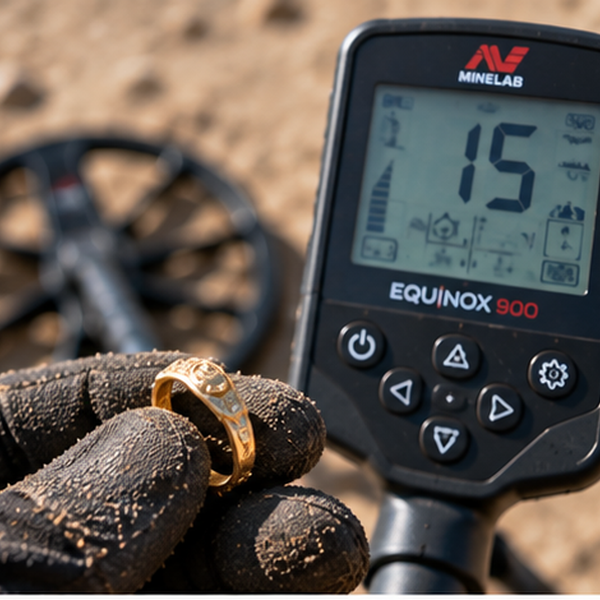
Build Your Top 10 Metal Detectors Shortlist
A practical Top 10 Metal Detectors buying process should reduce ten models to two or three.
Step 1 — Define the Target
Choose one primary category: natural gold, coins, jewelry, relics, large metal, or underground structures.
Step 2 — Define the Site
Describe mineralization, saltwater, iron contamination, rocky terrain, or open ground.
Also confirm that detecting is allowed.
Step 3 — Match the Technology
Select multi-frequency, PI, GeoZVT, deep-target Pulse GBS, or scanning based on the real search problem.
Step 4 — Match Your Experience
Decide how much manual control, scanning technique, or software analysis you want to manage.
Step 5 — Confirm the Package
Ask Goldot-Tec about current availability, coil configuration, included equipment, warranty terms, and delivery options.
This process creates a stronger buying decision than following a generic ranking. For finalists, compare purchase reasons, limitations, and exact package contents. Confirm scanning software and training where necessary.
Frequently Asked Questions
Can one detector handle every search type?
No single detector is equally specialized for natural gold, coins, beach jewelry, deep metallic targets, and underground cavities. Versatile machines such as Equinox 900 and The Legend 2 cover many conventional searches. However, serious goldfields, large deep targets, and 3D surveys can justify specialist equipment. Therefore, start with the target category before choosing one detector.
How should experience level affect my choice?
Beginners usually benefit from clear search modes, stable default settings, and manageable controls. Experienced users may want advanced ground handling, specialist coils, deeper configuration options, or structured scanning tools. Therefore, do not buy the most complex system unless its extra controls solve a real field problem.
Can Goldot-Tec help compare these ten detectors?
Yes. First, identify your main target, terrain, experience level, and US delivery state. Then ask Goldot-Tec to compare suitable technologies and current configurations. Use the comparison support page for specifications, and confirm the exact package before ordering. This approach helps reduce the Top 10 list to the models that fit your project.
Shop the Top 10 Metal Detectors for Your US Search
The Top 10 Metal Detectors in this guide serve different search goals, so no position in the list should be mistaken for a universal performance score.
- GPZ 8000 and Magnetar 9000: Focus on professional natural-gold prospecting.
- DEUS II with HF2: Provides a lightweight and highly flexible option.
- Equinox 900 and The LEGEND 2: Cover broad conventional detecting needs.
- Lorenz Deepmax Z2: Serves large buried metallic targets.
- GR-4 Dual: Combines PI detection with 3D scanning.
- GR-4: Focuses on structured ground scanning.
- Invenio Pro: Adds positional target imaging.
- eXp 7000 Professional Plus: Provides a multi-mode professional survey platform.
Therefore, do not finish the buying process by asking which detector is strongest overall.
Instead, define the target and site first.
Then choose the correct technology.
Afterwards, confirm the coil and accessory configuration.
Finally, review current availability and delivery options.
Buying in the United States? Contact Goldot-Tec for Availability and delivery options for your state. Tell the team whether your planned search involves permitted prospecting in California, an authorized Texas site, a Florida beach area where detecting is allowed, or another US environment. Then request a package quote for the detector that matches your target, ground conditions, experience, and search method.