

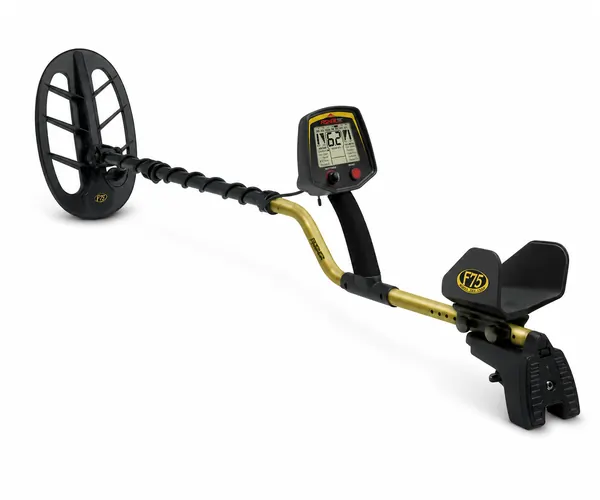
The F75 metal detector remains a commonly searched option among detectorists who want a conventional search platform for coins, relics, and general treasure hunting. For buyers in 2026, however, choosing an F75 should involve more than reading claims about maximum detection depth or assuming that a high sensitivity setting automatically produces better results.
A useful evaluation should focus on the complete field workflow: target identification, audio response, sensitivity, ground balance, search modes, iron handling, coil choice, stable operation, and the ability to reproduce a signal from more than one sweep direction.
Goldot-Tec’s current detector guidance emphasizes the same broader principle when comparing metal detectors: no single machine is best for every search. Target type, soil conditions, detector technology, available coils, target separation, weight, and the intended environment should all influence the purchase decision.
At the time of this 2026 review, Goldot-Tec’s currently indexed store pages do not provide a dedicated live F75 metal detector product listing with a verified current price or a complete technical table. For that reason, this guide does not invent frequency, weight, waterproof rating, package contents, or maximum-depth figures. Those details should be checked against the exact unit, manual, and seller documentation before purchase.
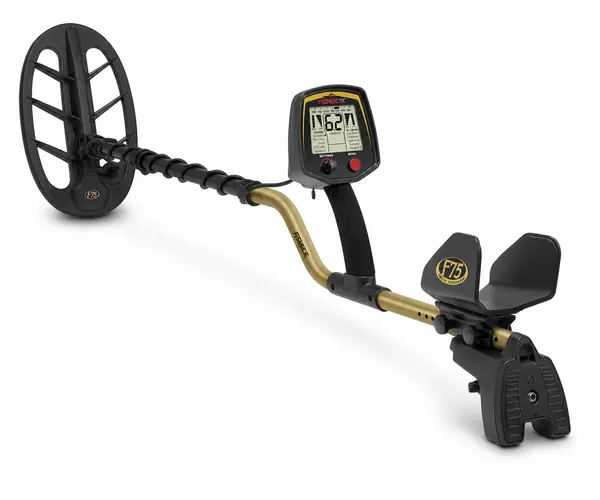
Why the F75 Metal Detector Still Attracts Buyer Interest
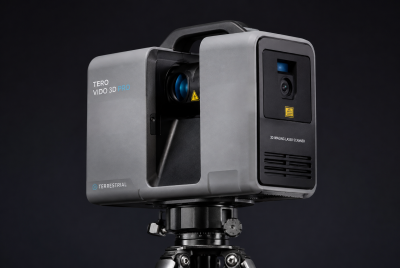
The F75 metal detector appeals primarily to users looking for a traditional ground-searching detector rather than a professional 3D scanner or long-range locator.
That means the most relevant search goals typically include:
- Coin hunting
- Relic searching
- General field detecting
- Old home sites
- Parks
- Farm fields
- Iron-contaminated locations
- Mixed modern trash
- Searching for individual metallic objects
This is very different from choosing equipment for large underground chambers, geological anomalies, or deep structural investigation.
Goldot’s current buying guidance separates conventional coin and relic detectors from specialist gold machines, deep-seeking systems, and professional imaging equipment because each category uses different technologies and search methods.
Before purchasing an F75, buyers should therefore make sure a conventional detector is actually the right category for the project.
Start With the Exact F75 Version and Package
The phrase F75 metal detector by itself is not enough information to evaluate a listing.
Before comparing price, ask the seller for:
- Full model designation
- Exact package version
- Search coil supplied
- Additional coils included
- Headphones, if included
- Battery requirements
- Detector manual
- Serial number
- Warranty terms
- Country or regional version
- Condition if previously owned
Do not assume that two listings with “F75” in the title contain identical hardware.
Coil choice alone can materially change how a detector behaves in dense trash, open ground, and difficult target-separation situations.
The total value of a detector package should therefore be based on the complete equipment supplied rather than only the control unit.
Learning Target ID and Audio Response
Target identification is one of the most important skills when using a conventional detector.
The F75 metal detector should not be operated by watching the screen alone. Visual Target ID can provide useful information, but experienced field decisions normally improve when the operator combines visual readings with the audio response and signal repeatability.
Watch for Repeatability
A target that produces a similar response across several controlled passes deserves more attention than a signal appearing only once.
Try:
- Sweep over the target normally.
- Stop and shorten the sweep.
- Approach from approximately 90 degrees.
- Compare the Target ID response.
- Listen for changes in audio quality.
- Decide whether the signal remains repeatable.
A signal that changes dramatically from every direction may represent iron, multiple adjacent objects, an irregular target, or difficult ground.
That does not automatically mean the target should be ignored. It simply means the information should be interpreted carefully.
Audio Can Reveal Information the Screen Misses
Fast sweeps across closely spaced objects may make screen numbers fluctuate.
Audio characteristics can help the user judge:
- Signal width
- Repeatability
- Target separation
- Iron contamination
- Adjacent targets
- Possible target size
The objective is not to achieve perfect target identification before digging. No conventional detector can provide absolute certainty about every buried object.
Instead, use all available information to increase target confidence.
Setting Sensitivity for a Stable Search
One of the most common setup mistakes with the F75 metal detector is assuming that the highest possible sensitivity setting must provide the best performance.
Higher sensitivity can sometimes increase response to weak targets, but it can also make a detector unstable in difficult environments.
Possible sources of instability include:
- Ground mineralization
- Electrical interference
- Power lines
- Nearby electronics
- Fences
- Other detectors
- Underground utilities
- Highly contaminated soil
Goldot’s general detector guidance notes that real detecting performance depends on soil, settings, target size, technology, and operator experience rather than a single advertised depth figure.
Start Moderate
A better field routine is:
- Begin at a moderate sensitivity level.
- Sweep a clean section of ground.
- Listen for unexplained chatter.
- Increase sensitivity gradually.
- Stop increasing when instability begins to interfere with target recognition.
- Reduce the setting slightly until operation becomes controlled.
The best setting is usually the highest level that remains useful and stable—not necessarily the maximum number available.
Ground Balance for Changing Soil
Ground balance is another essential part of conventional detector operation.
Soil itself can produce a measurable response because of mineral content. If the detector is poorly adjusted to the ground, weak targets can become more difficult to interpret.
A practical routine is to ground balance:
- At the beginning of the hunt
- After moving into visibly different soil
- When the detector becomes unusually noisy
- After entering more mineralized ground
- When target responses seem inconsistent
Do not treat ground balance as a one-time setup step that can always be ignored afterward.
Ground Conditions Can Change Within One Site
A field may include:
- Dark organic soil
- Clay
- Rocky patches
- Burned areas
- Iron-rich soil
- Filled ground
- Modern construction debris
Each can affect detector response differently.
The F75 metal detector should therefore be adjusted according to actual field behavior rather than a fixed setup copied from another user.
Choosing Search Modes for Coins and Relics
Different search situations require different priorities.
A park containing modern trash is not the same as an open relic field.
Coin Hunting
Coin hunters often prioritize:
- Consistent Target ID
- Useful discrimination
- Controlled sensitivity
- Accurate pinpointing
- Good target separation
Modern parks can contain large quantities of:
- Foil
- Bottle caps
- Pull tabs
- Iron
- Aluminum fragments
Heavy discrimination may make a detector quieter, but overly aggressive filtering can also affect desirable targets positioned close to rejected metals.
Relic Hunting
Relic hunters may accept more iron information because historical sites frequently contain valuable non-ferrous objects close to old nails and other ferrous debris.
Useful priorities include:
- Fast target recovery
- Controlled sweep speed
- Reduced masking
- Careful audio interpretation
- Smaller coil options in dense iron
The correct F75 metal detector setup therefore depends on whether the goal is a quiet selective hunt or maximum information from a contaminated site.
Working Around Iron and Modern Trash
Target masking occurs when unwanted metal interferes with the detector’s ability to respond clearly to a nearby desirable object.
This is especially important at:
- Old houses
- Farm structures
- Military sites
- Demolished buildings
- Historical camps
- Heavily hunted parks
If a desirable object sits close to an iron nail, a large search coil may receive responses from both at the same time.
Change Sweep Direction
One of the simplest techniques is approaching uncertain targets from different angles.
A target masked from one direction may produce a clearer response from another.
Shorten the Sweep
Wide, fast sweeps can make interpretation harder in dense trash.
Use shorter controlled movements over suspicious signals.
Reduce Sensitivity When Necessary
Maximum sensitivity is not always helpful in a target-dense site.
Lowering sensitivity can sometimes make nearby objects easier to separate because the detector is receiving less overwhelming information from surrounding targets.
Coil Choice: Separation vs Ground Coverage
Coil selection can substantially change the practical behavior of an F75 metal detector.
Goldot’s broader detector comparisons specifically recommend looking at coil options when evaluating a machine because coil dimensions influence target separation, ground coverage, and search behavior.
Smaller Search Coils
A smaller coil can be useful for:
- Dense iron
- Modern trash
- Areas around foundations
- Between rocks
- Restricted spaces
- Better separation of nearby targets
The tradeoff is reduced ground coverage per sweep.
Larger Search Coils
A larger coil can be useful when:
- Searching open fields
- Covering large areas
- Looking for larger targets
- Working relatively clean ground
The tradeoff can be more difficult separation when several metallic objects are close together.
There is no single “best F75 coil” for every environment.
Match coil dimensions to the site.
Field Techniques That Improve Target Confidence
Equipment settings matter, but operator technique can matter just as much.
Keep Coil Height Consistent
Avoid repeatedly raising the coil at the end of each sweep.
Maintain a controlled height over the ground whenever terrain allows.
Overlap Sweeps
Do not leave large gaps between passes.
Overlap the previous sweep so smaller targets are less likely to fall between coverage paths.
Control Sweep Speed
Do not assume faster walking means faster effective searching.
A controlled sweep gives the detector more consistent target exposure and gives the operator more time to recognize weak or mixed responses.
Investigate Repeatable Signals
If a weak signal repeats from multiple directions, investigate it carefully.
Deep or partially masked targets may not produce perfect textbook responses.
Pinpoint Before Digging
Accurate target recovery reduces:
- Oversized holes
- Damage to targets
- Unnecessary digging
- Time spent searching the plug
This matters particularly in parks and maintained areas.
Recheck Every Hole
After recovering one target, sweep the hole again.
Two or more objects can occupy nearly the same location.
A strong shallow object may also have masked another target below or beside it.
Common F75 Setup Mistakes
Several habits can reduce the usefulness of the F75 metal detector regardless of its technical capability.
Running Sensitivity Too High
An unstable detector can produce so much audio information that real targets become harder to recognize.
Ignoring Ground Balance
Changes in soil can affect performance.
Trusting One Target ID Number
Buried target ID can change due to orientation, depth, adjacent metal, and soil.
Swinging Too Fast
Fast movement can reduce the operator’s ability to distinguish adjacent signals.
Using the Wrong Coil for the Site
A large coil in dense iron may create more complicated responses than a smaller separation-focused coil.
Rejecting Every Inconsistent Signal
Some valuable targets produce imperfect responses.
Use multiple sweep directions before deciding.
Copying Another User’s Settings Exactly
A setup that works in clean mild soil may perform poorly in mineralized or electrically noisy ground.
Treat shared programs as starting points, not universal solutions.
A Practical F75 Metal Detector Setup Routine
For a new site, a simple routine can prevent unnecessary adjustment.
- Assemble the detector and inspect the coil connection.
- Confirm adequate power.
- Choose an appropriate general search mode.
- Begin with moderate sensitivity.
- Ground balance in a clean area.
- Sweep several known or likely targets if available.
- Listen for environmental instability.
- Adjust sensitivity only as necessary.
- Begin the search with controlled overlapping sweeps.
- Investigate uncertain targets from two directions.
- Pinpoint before recovery.
- Recheck the hole after every target.
This approach gives the operator a stable baseline before experimenting with more aggressive settings.
F75 Metal Detector Price and Value in 2026
A verified current F75 metal detector price could not be established from Goldot-Tec’s presently indexed F75 product pages because a dedicated F75 listing was not available in the current store results reviewed.
For that reason, buyers should avoid relying on an old price copied from an outdated article.
Instead, evaluate any offer according to:
| Buying Factor | What to Verify |
|---|---|
| Exact F75 version | Full model designation |
| Condition | New, old stock, refurbished, or used |
| Coil | Model and dimensions |
| Extra coils | Included or optional |
| Accessories | Headphones, covers, case, etc. |
| Warranty | Written duration and coverage |
| Manual | Correct manual for that version |
| Spare parts | Current availability |
| Seller support | Contact and repair process |
| Final delivered price | Product + shipping + taxes where applicable |
Goldot’s current buying guide recommends evaluating detectors according to target, environment, soil conditions, technology, experience, and complete purchase value rather than choosing from price alone.
Buyers comparing modern alternatives can review the current best metal detectors before committing to an older or harder-to-source configuration.
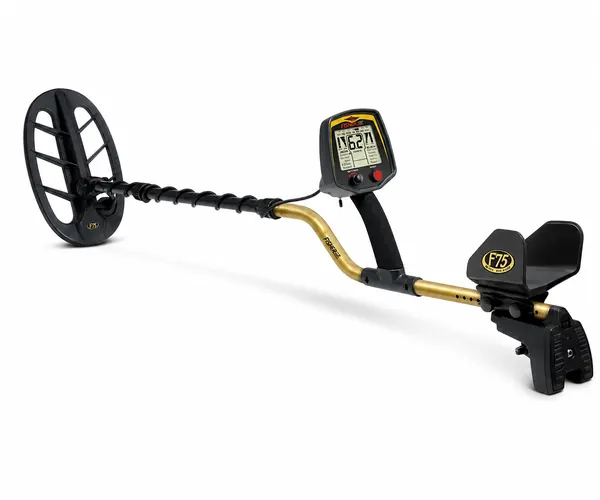
When Another Detector May Be a Better Choice
The F75 metal detector should not automatically be selected just because the model is familiar.
A newer multi-frequency detector may make more sense when:
- Wet salt beaches are a major priority
- Full waterproofing is essential
- Wireless integration is important
- Modern software features are preferred
- Multiple terrain types are searched regularly
A specialist pulse-induction system may make more sense when natural-gold prospecting in severe mineralization is the primary goal.
A 3D ground scanner may be more appropriate for large underground structures, cavities, or professional subsurface surveys.
Goldot’s current store separates these technologies because their intended applications differ considerably.
Explore the wider metal detector store to compare technologies before making the final choice.
Frequently Asked Questions
Is the F75 metal detector good for coin hunting?
The F75 metal detector can be evaluated as a conventional coin and relic searching platform, but results depend heavily on site conditions, coil choice, settings, and operator technique. Focus on repeatable Target ID, controlled sensitivity, and accurate ground balance rather than one advertised depth figure.
Should I use maximum sensitivity on the F75?
Not automatically. Use the highest sensitivity that remains stable enough for useful target interpretation. Excessive chatter can make weak genuine targets harder to recognize.
How should I handle unstable Target ID?
Sweep the target from another direction, shorten the sweep, listen to the audio response, and check whether the signal remains repeatable. Do not judge the target from one number alone.
Is a smaller coil useful on an F75 metal detector?
A smaller coil can be particularly useful in dense iron, modern trash, restricted spaces, and locations where several targets are close together. Larger coils generally provide greater ground coverage in more open areas.
What should I check before buying a used F75?
Confirm the exact version, coil, control functions, battery compartment, physical condition, serial information, accessories, manual, warranty status, and whether replacement parts remain available.
How deep can the F75 detect?
A single universal depth should not be assumed. Detection depth changes according to target size, target orientation, soil, coil, sensitivity, interference, and operator technique. Goldot’s broader detector guidance recommends evaluating depth within the exact search context rather than treating one number as universal.
Conclusion
The F75 metal detector is best approached as a field platform whose usefulness depends on proper setup and search technique rather than exaggerated depth or accuracy claims.
For coin and relic hunting, the most valuable skills are learning the interaction between Target ID and audio, setting sensitivity for stability, ground balancing as soil changes, controlling sweep speed, selecting the appropriate coil, and investigating questionable targets from multiple directions.
Buyers in 2026 should also verify the exact F75 version and package because Goldot-Tec does not currently provide a dedicated indexed F75 product page with a live price and complete specification table. That makes seller documentation especially important.
If the F75 metal detector matches your preferred conventional detecting workflow, evaluate the complete package, coil options, warranty, parts availability, and field condition before purchasing. If your search requires multi-frequency beach performance, natural-gold specialization, or professional underground imaging, compare alternative technologies first.