

Choosing the best multi-zone metal detectors for facility security 2026 requires a different approach from selecting a conventional treasure-hunting detector. Facility screening is not primarily about maximum underground detection depth or finding the deepest possible target. The priorities are reliable detection across the body, clear alarm localization, adjustable sensitivity, consistent operation, entrance throughput, operator visibility, installation requirements, and the ability to maintain the same screening standard throughout a busy day.
Goldot-Tec currently maintains a dedicated Security Devices category and describes security equipment as covering threat detection for airports, businesses, public areas, and other controlled environments. Its broader store also identifies walk-through scanners and handheld units as part of the security-device category.
However, the current Goldot security category does not publish enough consistent zone-count and walk-through technical data to responsibly rank several named multi-zone models against each other. For that reason, this guide to the best multi-zone metal detectors for facility security 2026 focuses on the detector profiles, specifications, installation questions, and operational features that buyers should verify before purchasing rather than inventing model names or unsupported performance rankings.
What Multi-Zone Detection Adds to Facility Security
A multi-zone walk-through detector divides the screening archway into multiple detection areas so security staff can receive more useful information about where a metallic object may be positioned on a person.
Instead of receiving only a general alarm, the operator can use zone indicators to narrow the location toward areas such as the upper, middle, or lower part of the body, depending on the detector design.
For facility security, this can improve the secondary-screening workflow.
The best multi-zone metal detectors for facility security 2026 should help the operator answer two questions quickly:
Did the person trigger the alarm?
Where should secondary screening focus?
The number of zones is therefore useful, but zone count alone should never decide the purchase.
A detector with more zones is not automatically better if:
- Sensitivity is difficult to configure.
- Alarm indicators are hard for operators to see.
- The detector becomes unstable near surrounding metal.
- Entry throughput falls too much.
- Daily calibration is complicated.
- Technical support is limited.
Multi-zone technology should improve the security workflow rather than simply add a larger specification number to a brochure.
How to Choose the Best Multi-Zone Metal Detectors for Facility Security 2026
The buying process should begin with the facility rather than the detector.
Define:
- Expected daily visitor volume
- Peak entry volume
- Number of screening lanes
- Indoor or semi-outdoor installation
- Available entrance width
- Nearby doors and metal structures
- Security level required
- Operator staffing
- Secondary screening process
- Expected operating hours
A small corporate office does not necessarily require the same configuration as a stadium entrance or major government facility.
Goldot-Tec positions its security-device category for multiple professional environments, so the equipment should be matched to the actual screening operation rather than selected from one universal “best detector” claim.
Best Detector Profiles for High-Traffic Entrances
Rather than ranking undocumented product names, it is more useful to define the strongest detector profile for each entrance type.
| Facility Profile | Priority Features | Why They Matter |
|---|---|---|
| High-traffic public entrance | Fast alarm processing, visible zones, easy reset | Helps maintain continuous visitor movement |
| Corporate office | Moderate sensitivity flexibility, simple controls | Supports regular employee and visitor screening |
| School or campus entrance | Clear alerts, simple operator workflow | Important when different staff may operate the lane |
| Event venue | High throughput, rapid secondary screening | Entry volumes can increase sharply before events |
| Government or sensitive facility | Greater configuration control, detailed zones | Allows a more controlled screening policy |
| Multi-lane facility | Consistent settings across lanes | Reduces differences between parallel entrances |
The best multi-zone metal detectors for facility security 2026 are therefore the systems that best match the security profile rather than simply the detectors with the greatest advertised number of zones.
Detection Zones vs Sensitivity: What Matters Most?
Zone count explains how precisely the system may indicate the approximate location of a detected metallic object.
Sensitivity determines how responsive the system is to the objects passing through it.
These are related but different considerations.
A facility may require the detector to respond to smaller metallic objects in a high-security environment, while another location may deliberately use a screening policy that tolerates common everyday metal to maintain faster entry.
Sensitivity should therefore be adjustable according to the facility’s screening policy.
When comparing the best multi-zone metal detectors for facility security 2026, request written information about:
- Available sensitivity levels
- Whether sensitivity can be adjusted globally
- Whether individual zones can be adjusted
- Alarm threshold configuration
- Password protection for settings
- Saved security programs
- Reset behavior
- Alarm volume control
- Visual alarm indicators
Avoid generic claims such as “high metal detector accuracy” unless the seller explains how the detector is configured and tested.
Everyday Metal and False Alarm Management
A facility entrance creates a very different detection environment from a controlled product demonstration.
People may carry:
- Keys
- Belt buckles
- Watches
- Phones
- Jewelry
- Coins
- Metal footwear components
- Bags containing electronics
A useful screening system needs a defined operating policy for those everyday objects.
The objective is not necessarily to eliminate every alarm.
The objective is to create a predictable threshold that supports the security policy.
For example, forcing sensitivity too high without a corresponding operational reason may cause excessive alarms and slow down the entrance.
Reducing sensitivity too far can create the opposite problem.
This is why the best multi-zone metal detectors for facility security 2026 should provide manageable sensitivity control and repeatable settings rather than relying on one factory configuration for every facility.
Managing Throughput Without Sacrificing Screening Quality
Throughput is one of the most important facility-security metrics.
A detector can be technically capable but operationally poor if the entrance becomes congested during peak periods.
The total screening time includes more than the walk through the arch.
It can include:
- Preparing the visitor.
- Removing selected personal items.
- Walking through the detector.
- Waiting for the alarm decision.
- Reading the alarm zone.
- Conducting secondary screening when necessary.
- Resetting the lane for the next person.
For the best multi-zone metal detectors for facility security 2026, buyers should evaluate the complete lane workflow.
During a demonstration, test the detector with multiple people passing through at realistic intervals rather than evaluating only one controlled subject.
Measure Peak-Time Conditions
Consider:
Average entry volume is not enough.
A building may receive 500 people over a day but have 200 arrive within one hour.
The entrance should be designed around the busiest realistic period.
For high-volume sites, several well-planned screening lanes may provide better security than forcing all visitors through one highly configured detector.
Alarm Indicators and Operator Visibility
A multi-zone system only adds operational value if the security officer can interpret the alarm quickly.
Evaluate:
- Position of zone LEDs
- Visibility from the operator station
- Alarm brightness
- Audible alarm clarity
- Ability to distinguish different indications
- Access to control settings
- Reset confirmation
Consider where the security officer will stand.
If the detector display faces the wrong direction for the actual entrance layout, the installation may create unnecessary movement after every alarm.
For multi-lane deployments, operators should also be able to identify which detector triggered the alert without confusion.
Installation Space, Power, and Entry-Lane Planning
The best multi-zone metal detectors for facility security 2026 cannot be selected without considering the physical entrance.
Before ordering, record:
- Doorway width
- Ceiling height
- Available detector footprint
- Walking approach distance
- Exit space after screening
- Secondary inspection area
- Nearby metal doors
- Turnstiles
- Barriers
- Electrical equipment
- Available power outlets
Large metal structures near a walk-through detector may affect installation planning depending on the system design.
Do not invent universal minimum distances.
Instead, request the manufacturer or seller installation documentation for the exact detector.
Plan the Complete Lane
A professional screening lane may need space for:
- Queue formation
- Personal-item preparation
- Walk-through detector
- Security operator
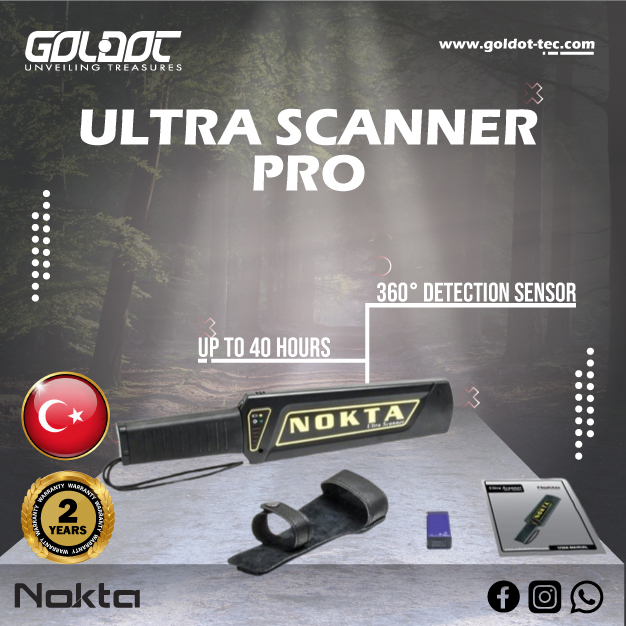
- Handheld secondary scanner
- Bag screening where applicable
- Visitor release after clearance
The archway itself is only one component of the entrance.
Indoor vs Semi-Outdoor Placement
Environmental protection is another specification buyers should confirm.
An indoor lobby typically provides:
- Stable temperature
- Controlled moisture
- Permanent power
- Protected equipment
An entrance near an exterior gate may face:
- Humidity
- Temperature variation
- Wind
- Dust
- Rain exposure
- Temporary power arrangements
Do not assume that every walk-through metal detector is weatherproof.
Ask specifically for:
- Operating temperature
- Storage temperature
- Humidity limits
- Ingress protection information
- Outdoor-use limitations
- Power requirements
The best multi-zone metal detectors for facility security 2026 should be appropriate for the installation environment rather than simply protected later with improvised coverings.
Calibration and Daily Performance Checks
A security detector should not be installed and then ignored until a problem appears.
Facilities should establish a repeatable operating check according to the supplied technical documentation.
A practical management routine may include:
- Visual inspection
- Power-on check
- Alarm check
- Verification of selected sensitivity program
- Zone-indicator check
- Examination for physical damage
- Confirmation that the lane remains clear
- Recording unusual behavior
The exact calibration procedure should come from the technical documentation for the selected detector.
Keep Settings Controlled
One important operational question is who can change sensitivity.
If every operator can modify detection parameters freely, the screening standard may vary during the day.
Ask whether settings can be protected through:
- Password
- Administrator mode
- Lockable controls
- Restricted remote access
This matters especially for facilities operating multiple lanes.
Multiple-Lane Deployment Planning
Large facilities should consider consistency between detectors.
Imagine three entrance lanes where each detector has different sensitivity settings.
A visitor could trigger an alarm in one lane and pass another without any change in what they are carrying.
That can undermine confidence in the screening process.
When evaluating the best multi-zone metal detectors for facility security 2026, facilities planning multiple lanes should ask whether configurations can be standardized and documented across each detector.
Maintain records for:
- Detector identification
- Lane number
- Security profile
- Sensitivity configuration
- Maintenance
- Software or configuration updates
- Daily checks
A multi-lane installation is a security system, not simply several independent products placed beside each other.
Choosing Detectors for Offices, Schools, Events, and Government Sites
Different facilities create different operational priorities.
Offices
Corporate entrances often require a balance between security and convenience.
Important factors include:
- Simple operator controls
- Low disruption to employees
- Clear visitor procedure
- Small installation footprint
Schools and Campuses
Consistency and easy staff training may be especially important.
The system should fit into the broader access-control procedure rather than operate as an isolated checkpoint.
Events and Stadium Entrances
Throughput becomes critical.
Security managers should plan:
- Multiple lanes
- Queue management
- Secondary inspection
- Peak-period staffing
- Temporary installation conditions
Government and Sensitive Facilities
These locations may prioritize more detailed configuration, controlled access to settings, and stricter screening policies.
The best multi-zone metal detectors for facility security 2026 should therefore be selected according to risk level, throughput, facility layout, and operating procedures—not a generic online ranking.
Price and Total Facility Cost
A security metal detector price should not be compared until the complete deployment cost is understood.
The detector price may be only one part of the investment.
Other possible costs include:
- Freight
- Installation
- Power work
- Lane barriers
- Secondary handheld detectors
- Operator training
- Spare components
- Maintenance
- Technical support
- Additional lanes
Goldot’s current online store promotes training support, worldwide shipping, secure purchasing, and warranty/service support across its detector catalog. The exact terms for a security installation should still be confirmed for the selected product before ordering.
The best multi-zone metal detectors for facility security 2026 should therefore be evaluated by total ownership value rather than headline equipment price.
Using Goldot-Tec to Research Security Equipment
Goldot currently maintains a dedicated security metal detectors category and describes its broader store as serving security professionals as well as detector users in other fields.
Because detailed zone counts and walk-through specifications are not currently published consistently across the visible security category, buyers should request a technical sheet for any proposed facility-security detector.
The specification should identify at minimum:
- Detector type
- Number of detection zones
- Sensitivity adjustment
- Alarm indicators
- Power requirements
- Dimensions
- Operating environment
- Installation requirements
- Warranty
- Service process
Buyers comparing other professional detection technologies can also review Goldot’s wider professional metal detectors catalog, while keeping facility-security detectors separate from treasure, prospecting, and underground-imaging systems.
2026 Facility Security Buying Checklist
Before choosing among the best multi-zone metal detectors for facility security 2026, verify all of the following:
- Exact manufacturer and model
- Number and layout of detection zones
- Adjustable sensitivity range
- Zone-specific adjustment if available
- Visual alarm positioning
- Audible alarm controls
- Security-program memory
- Administrator protection for settings
- Screening throughput under realistic conditions
- Dimensions and available entry space
- Power requirements
- Indoor or outdoor suitability
- Nearby-metal installation requirements
- Daily checking procedure
- Technical manual
- Operator training
- Warranty duration
- Spare-parts availability
- Service location
- Multi-lane configuration options
- Final delivered and installed cost
Also review all local building, accessibility, workplace, and security requirements relevant to the installation. Requirements can vary by jurisdiction and facility type, so the project team should confirm applicable rules with local authorities and qualified facility professionals rather than assuming one detector installation standard applies everywhere.
Frequently Asked Questions
What are the best multi-zone metal detectors for facility security 2026?
There is no single detector that is best for every facility. The strongest option is the one that provides appropriate zone localization, sensitivity control, throughput, alarm visibility, installation compatibility, and technical support for the specific site. Goldot’s current security category does not provide enough comparable model-level zone data to responsibly rank several named walk-through detectors.
Is a higher detection-zone count always better?
No. More zones can provide more detailed alarm localization, but sensitivity stability, operator visibility, throughput, installation quality, and maintenance can be equally important. A detector with fewer well-configured zones may suit a facility better than a more complex system that does not match the entrance workflow.
How should a facility choose sensitivity settings?
Sensitivity should follow the facility’s screening policy and the technical procedure provided for the selected detector. Test the configuration under realistic conditions and restrict unauthorized changes to screening parameters.
Do multi-zone walk-through detectors replace handheld scanners?
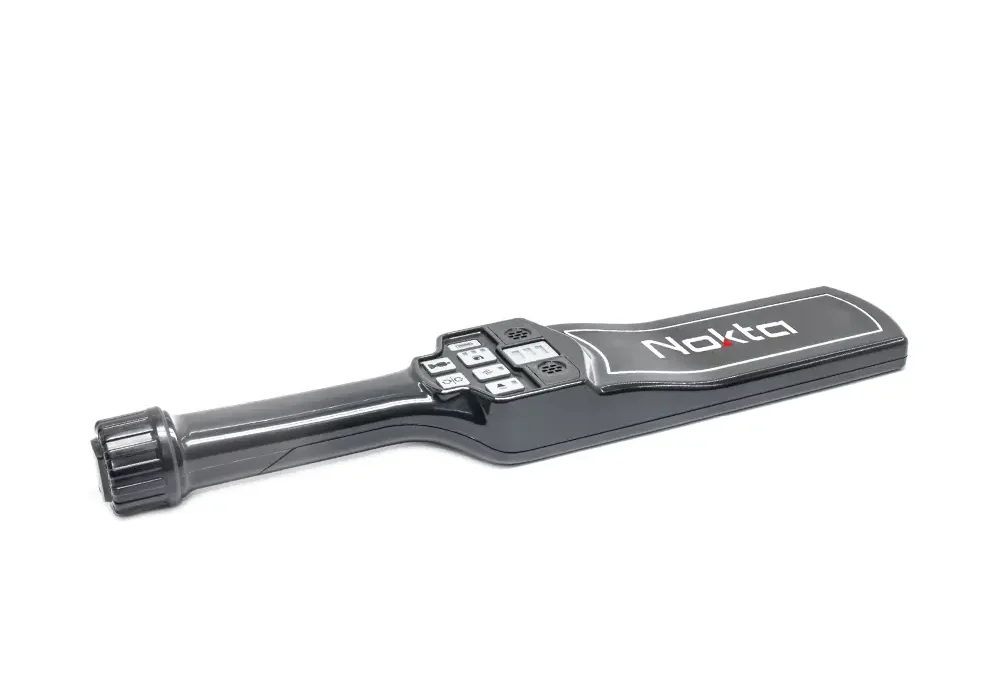
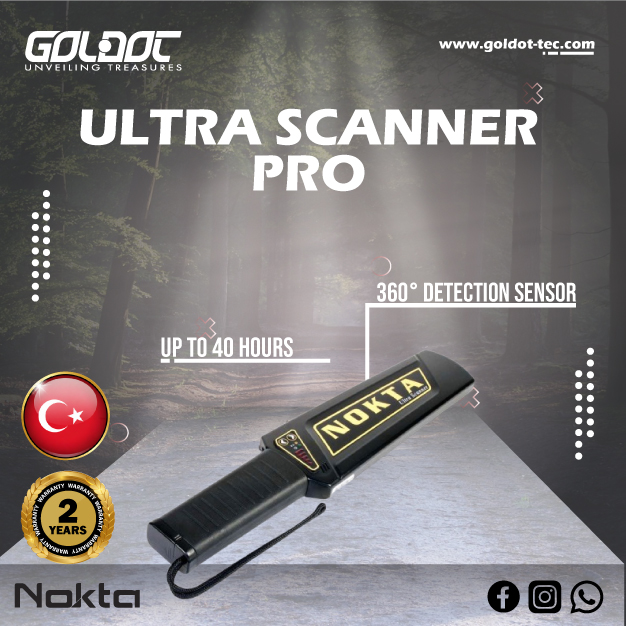
Not necessarily. A walk-through detector performs primary screening, while a handheld detector can be useful during secondary inspection after an alarm. Goldot’s broader security category covers both walk-through and handheld security equipment.
How many walk-through detectors does a large facility need?
The correct number depends on peak visitor flow, secondary-screening time, staffing, and available entrance space. Base the decision on peak-period throughput rather than average daily attendance.
What should I ask Goldot before purchasing a facility detector?
Request the exact model, technical sheet, number of detection zones, sensitivity controls, dimensions, power requirements, operating-environment limits, installation guidance, warranty terms, training information, service procedure, availability, and final delivered price.
Conclusion
Selecting the best multi-zone metal detectors for facility security 2026 is primarily an operational-security decision, not a contest for the highest zone count or the most aggressive sensitivity setting.
A strong facility solution should combine useful alarm localization with configurable sensitivity, manageable false alarms, clear operator feedback, predictable throughput, correct entrance installation, documented daily checks, and dependable technical support.
The most important step is to define the facility first. Estimate peak traffic, map the entrance, decide how secondary screening will work, determine the number of lanes, and identify the required screening policy. Only then should detector specifications be compared.
Because Goldot-Tec’s current security category does not yet provide a complete published comparison of named multi-zone walk-through models, request model-specific documentation before making the final purchase decision.