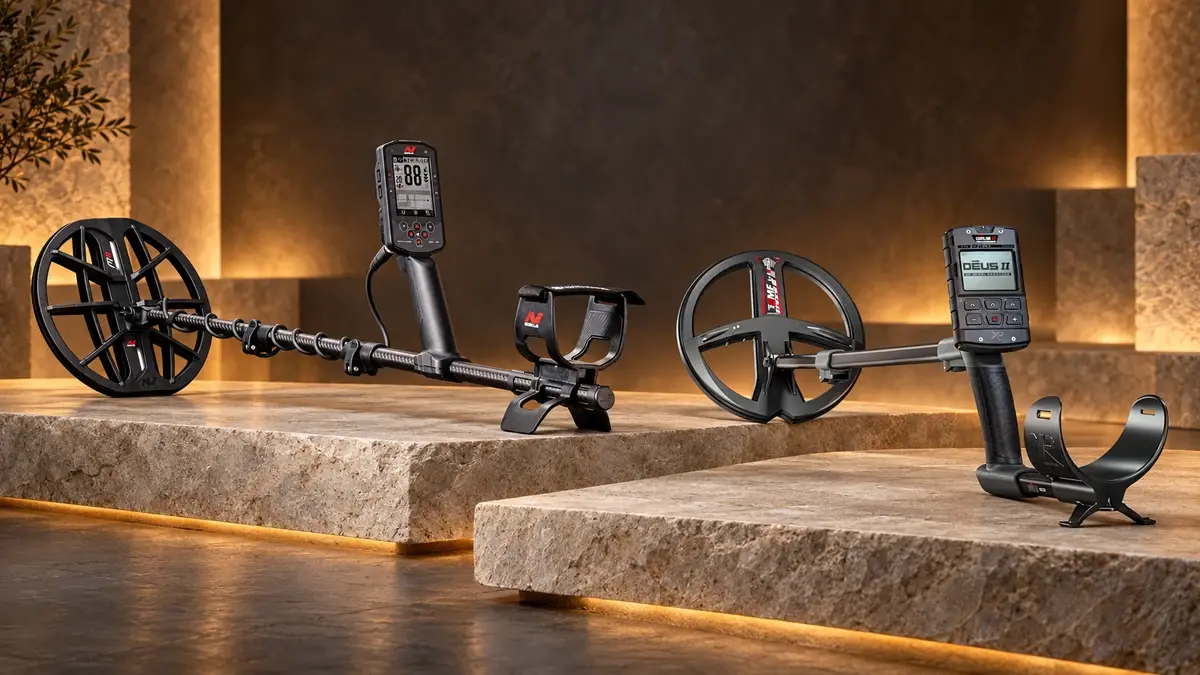
Best Rated Metal Detectors should be judged by your search goal, not star scores alone. A detector praised by Florida beach hunters might be unsuitable for natural gold, large targets, or underground scanning. Begin with your target, terrain, and experience. Coil choice, package contents, and ownership support also matter. This guide separates documented specifications from opinions, without inventing scores or promising finds.
Once you know what your search requires, use the complete detector comparison to narrow the models and request a suitable package from Goldot-Tec.
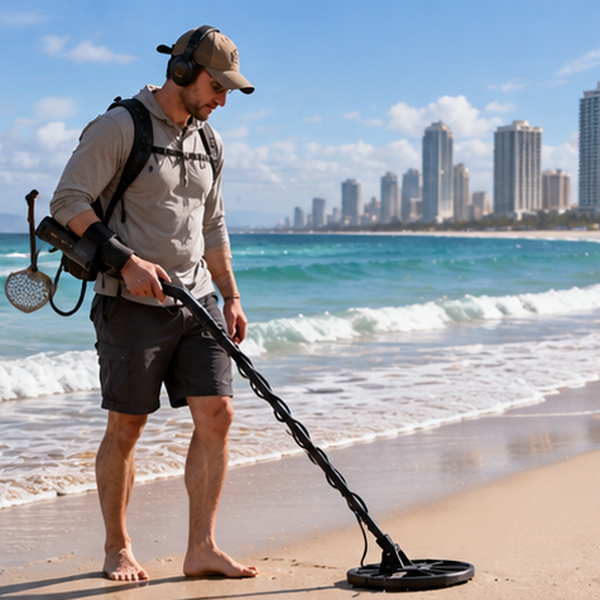
Reading Detector Ratings as a US Buyer
A useful detector rating needs context. Otherwise, a five-star comment can tell you very little about whether the machine fits your search. For example, a Florida beach hunter may praise saltwater stability and waterproofing. Meanwhile, a Texas relic hunter at an authorized site may care more about recovery speed, iron separation, target identification, and weight. Both reviews can be useful. However, they measure different jobs.
Start With the Search Type
First, identify what the reviewer was actually searching for. Useful categories include:
- Coins and jewelry
- Historical relics
- Natural gold
- Wet or dry beaches
- Large buried metallic targets
- Underground structures
- Professional ground surveys
Then compare that use case with your own. A review from a natural-gold prospector carries more value when you are buying a gold detector. In contrast, it may offer limited guidance for someone who spends most of the year on salt beaches.
Check the Ground Conditions
Soil conditions can change detector behavior. Therefore, a strong review should describe the search environment. Look for information about:
- Mineralization
- Wet salt sand
- Iron contamination
- Rocky terrain
- Black sand
- Mild park soil
- Water exposure
- Electromagnetic interference
Without that context, claims about stability or target clarity become harder to evaluate.
Check the Operator’s Experience
Experience can influence a review as much as the detector. A newer user may dislike an advanced menu because the controls feel complicated. Meanwhile, an experienced detectorist may value the same menu because it offers more adjustment. Therefore, check who produced the feedback. Long-term users can provide useful information about ergonomics, firmware, coil selection, and ownership. However, even experienced users should not turn personal results into universal guarantees.
Evidence Versus Promotional Rankings
Lists of the best rated metal detectors often mix verified specifications with opinion. A product may receive a label such as “best overall” or “best value” without a defined test. Therefore, buyers should separate measurable facts from promotional conclusions.
Verified Specifications
Manufacturer documentation can support facts such as:
- Detection technology
- Search modes
- Operating frequencies
- Target ID range
- Waterproof rating
- Detector weight
- Standard coil
- Battery configuration
- Software update support
- Warranty terms
These points can be checked. For example, Minelab documents Multi-IQ+ on MANTICORE. Meanwhile, Nokta documents simultaneous multi-frequency operation and 99 Target IDs on The LEGEND 2. Those specifications do not prove that either detector is universally better. Instead, they explain what tools the buyer receives.
Owner Experience
Owner feedback adds another layer. Useful feedback often describes:
- Balance after several hours
- Menu learning
- Audio behavior
- Coil handling
- Battery routine
- Target separation in trash
- Behavior in wet salt sand
- Stability in mineralized ground
- Accessory compatibility
- Service experience
However, feedback becomes weaker when it only says “amazing detector” or “deepest machine ever.” Specific context creates more buying value.
Promotional Claims
Promotional language deserves more scrutiny. Words such as “ultimate,” “unbeatable,” and “industry leading” do not describe a test method. Therefore, ask what evidence supports the claim. If a ranking cannot explain the target, ground, coil, settings, and comparison method, treat it as a marketing judgment rather than a measured result.
Five Rating Checks Before You Buy
A practical method for comparing the best rated metal detectors can shorten your shortlist. Use five checks: target fit, ground fit, operator fit, evidence quality, and ownership support.
- Target Fit
Start with the target. Was the detector designed for what you want to find? A premium coin detector may provide excellent identification and recovery speed. However, a specialist PI gold detector solves another problem. Likewise, a professional 3D ground scanner should not be judged by how quickly it finds individual park coins. The target defines the category.
- Ground Fit
Next, compare the detector with the environment. Wet salt beaches require technology that manages conductive salt. Mineralized goldfields create another challenge. Iron-heavy relic sites place more emphasis on separation and recovery. Therefore, a high rating from the wrong ground condition may not transfer to your project.
- Operator Fit
Ask how much control you want. Some buyers prefer automatic settings and simple search modes. Others want manual ground balance, custom audio, frequency choices, recovery controls, and several coils. Neither approach is automatically better. A good detector should match the person using it.
- Evidence Quality
Look for repeatable details. Does the review describe the target? Does it explain the site? Does it identify the coil? Does it separate manufacturer claims from field observations? Does it mention limitations? Balanced reviews usually provide more value than perfect praise.
- Ownership Support
A highly rated detector can still become a poor purchase when support is weak. Therefore, check:
- Warranty terms
- Software updates
- Replacement coils
- Battery equipment
- Headphone compatibility
- Spare parts
- Training
- Technical support
- Package contents
This final check separates an attractive review from a strong long-term purchase.
Conventional Detector Ratings by Use Case
The best rated metal detectors must be assessed against a defined use case. These examples are unranked because their specifications serve different buyer needs.
MANTICORE for Premium Conventional Detecting
Minelab MANTICORE uses Multi-IQ+ simultaneous multi-frequency technology. It also provides a 0–99 conductive Target ID range with ferrous information and a 2D Target Trace display. Therefore, buyers who value detailed target information may find the platform attractive. Check the MANTICORE product details when matching its controls and coil to your searches. Minelab also rates the detector IP68 waterproof to 5 meters.
This matters for buyers moving between land and suitable water searches. However, MANTICORE remains a conventional metal detector. It does not replace a professional ground scanner for empty cavities or underground structures. Its advanced controls also create a learning period. Therefore, a positive MANTICORE assessment should mean strong fit for advanced conventional detecting, not best detector for every target.
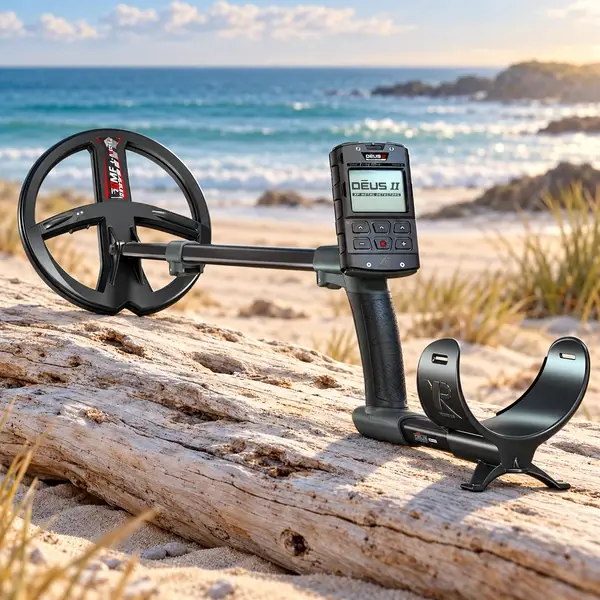
DEUS II for Lightweight Wireless Searching
XP DEUS II uses FMF Fast Multi Frequency technology. Its compatible coil, remote, headphones, and related XP components form a wireless ecosystem. In addition, XP specifies waterproof coil and remote operation to 20 meters when the correct underwater configuration is used. The buying advantage differs from MANTICORE. DEUS II emphasizes low weight, wireless operation, quick response, and flexible audio.
Therefore, relic hunters and users covering long distances may value it for reasons unrelated to maximum large-target depth. Package selection also matters. Different DEUS II configurations may include different coils, headphones, or controller options. For that reason, compare the exact package rather than the name alone.
The LEGEND 2 for Broad Multi-Frequency Use
The LEGEND 2 uses simultaneous multi-frequency operation. It also supports selectable single frequencies. Nokta provides Park, Field, Beach, Relic, and Gold modes. In addition, the detector offers 99 Target IDs, several tone choices, automatic/manual/tracking ground balance, and wireless software updating. These features create a broad conventional-search platform. Therefore, it can fit buyers who want one machine for several environments.
However, Gold mode does not turn The LEGEND 2 into a dedicated professional PI gold detector. Likewise, broad versatility does not make it a professional 3D scanner. A strong rating should reflect versatility rather than exaggerate what one mode can do. Confirm The LEGEND 2 configuration and included accessories before you order.
Vortex VX9 and Current Firmware
Garrett Vortex VX9 uses several frequency choices, including multi-frequency and Multi-Salt. It also provides a three-tier Target ID display and several search modes. Software support becomes another buying factor. Garrett released firmware 9.13 in February 2026. The update improved iron unmasking, Multi-Salt sensitivity, sensitivity adjustment, and stability in highly mineralized ground. Therefore, a current VX9 assessment should reflect the present firmware.
An early launch review may describe an older version of the detector. The Vortex family also supports official software-based model upgrades. That can matter to buyers who want a platform with a defined upgrade path. However, the VX9 remains a conventional detector. Do not rate it highly for a professional scanning job it was never designed to perform.
Specialist Ratings Need Specialist Evidence
Specialist systems on best rated metal detectors shortlists require another method. A detector built for mineralized goldfields should not be reviewed like a park detector. Likewise, a 3D scanner requires survey-based evidence.
Garrett Axiom for Gold and Difficult Ground
Garrett Axiom uses Ultra-Pulse Pulse Induction technology with Terra-Scan ground balance. Its modes include Fine, Normal, Large, and Salt. Therefore, users can adapt the system around target size and ground conditions. Garrett also supports Mono and Double-D coil configurations. That creates several setup choices. For a natural-gold buyer, useful reviews should discuss ground behavior, audio learning, coil selection, and target-size priorities.
However, Axiom provides less conventional target discrimination than premium multi-frequency coin detectors. That is not automatically a weakness. It reflects another design goal. Therefore, Axiom becomes relevant when natural gold, mineralized ground, or another PI-focused search forms the project. Buyers focused on prospecting can compare gold detectors for prospecting to select a system for the target and ground.
Rover C4 for Structured 3D Surveys
OKM Rover C4 belongs to a different category. Its modes include Magnetometer, 3D Ground Scan, Pinpointer, and Mineral Scan. The system also works with Visualizer 3D Studio for collected-data analysis. Therefore, its review criteria should focus on survey workflow rather than ordinary recovery speed. A buyer should ask:
- Can the operator create a consistent scan grid?
- Does the package contain the required probes and software?
- Can the user interpret the data?
- Is training available?
- Does the project involve structures, voids, larger buried targets, or mineral zones?
These questions matter more than a star average. A 3D graphic is also not a photograph of a treasure target. It is a visualization based on collected measurement data. Therefore, buyers who need this category should compare ground imaging detector options separately.
Reading Owner Feedback Without Inventing Ratings
US buyers researching the best rated metal detectors often read owner reviews before ordering. However, the review method matters.
Look for Repeated Themes
One owner comment may reflect preference; repeated independent reports of the same issue deserve more attention. For example, repeated comments about balance, menu complexity, coil weight, or headphone comfort may help you understand ownership. However, repeated anecdotes still do not replace controlled performance testing. Use them as supporting evidence.
Separate Preference From Performance
Audio provides a clear example. One detectorist may prefer a detailed audio profile. Another may find that sound tiring. Both opinions can be genuine. Therefore, do not treat personal preference as an objective score. Instead, ask whether the feature fits your detecting style.
Watch for Missing Context
A review that says “great on the beach” should explain whether the search involved dry sand, wet salt sand, shallow water, or full submersion. Likewise, a claim about gold should identify whether the target was natural gold or jewelry. Context turns an opinion into useful buying information.
Avoid Fake Precision
A rating such as 9.7/10 can look scientific even when no methodology exists. Therefore, this guide does not create numerical scores. Instead, it uses fit-based criteria. That clarifies each recommendation.
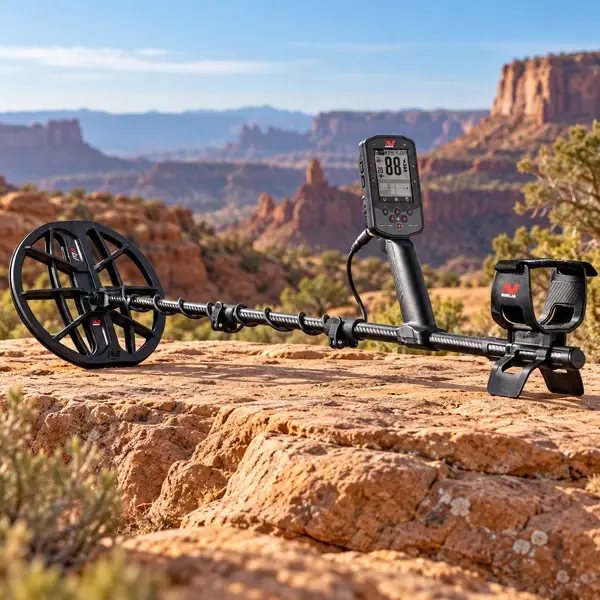
Texas Detector Use Cases
Texas provides a useful example of why ratings need context. However, detecting must be authorized at the actual site.
Coins and Relics at an Authorized Site
Imagine a permitted property with coins, relics, and iron contamination. The most useful rating factors may include:
- Target separation
- Recovery speed
- Ferrous information
- Detector weight
- Coil options
- Ground balance
- Audio customization
In that scenario, conventional multi-frequency platforms such as MANTICORE, DEUS II, The LEGEND 2, or Vortex VX9 become relevant.
Why a Gold Rating May Not Help
An Axiom review from a mineralized goldfield can be positive. However, that review may offer little guidance for a Texas coin-and-relic project. Axiom solves a different search problem. Therefore, do not let specialist reputation move you into the wrong category.
Why a Scanner Can Be Excessive
Rover C4 can provide structured underground data. However, its workflow adds unnecessary complexity when your target is an individual shallow coin. A conventional detector can be the better purchase. This is why use-case ratings create more value than broad rankings.
Florida Beach Detector Choice
Florida provides a clear example when comparing the best rated metal detectors. Wet salt sand can reveal issues absent on dry inland ground. Therefore, beach-specific evidence matters.
Check Saltwater Performance
A useful Florida beach review should explain whether the detector was used in:
- Dry sand
- Wet salt sand
- Surf
- Shallow water
The conditions matter because conductive salt can affect stability. Multi-frequency and Multi-Salt systems become particularly relevant here.
Check Waterproof Limits
Waterproof ratings need exact context. MANTICORE carries an IP68 rating to 5 meters. The LEGEND 2 is also rated to 5 meters. Vortex VX9 is rated to 5 meters as well. DEUS II supports deeper waterproof operation with the correct configuration. However, waterproof depth should not become the only buying reason. Target information, ergonomics, coil choice, and audio accessories also matter.
Check the Specific Location Rules
Florida State Parks generally prohibit metal detecting, except in certain designated coastal beach areas between the toe of the dune and the high-water line. Submerged detecting is not permitted in these parks. Therefore, check the specific location before searching. Do not treat a highly rated beach detector as permission to detect everywhere.
Match the Detector to the Beach
For a permitted Florida beach search, conventional multi-frequency platforms usually make more sense than a professional gold PI detector or 3D scanner. The useful rating evidence should focus on salt stability, waterproofing, target information, ergonomics, and the required package.
When a Highly Rated Detector Is the Wrong Purchase
Even the best rated metal detectors can be wrong for your project. Understanding that point protects the purchase.
Gold Detector for General Coin Hunting
A PI gold detector can perform well in difficult mineralized ground. However, it may provide less detailed discrimination than a premium multi-frequency coin detector. Therefore, a park or relic hunter may prefer another platform.
Conventional Detector for Cavities
MANTICORE, DEUS II, The LEGEND 2, and Vortex VX9 respond to metallic targets. They do not create professional 3D scans of empty tunnels or chambers. Therefore, cavity projects require another technology.
Professional Scanner for Fast Hobby Detecting
Rover C4 can provide detailed ground-survey information. However, it requires structured scanning and software interpretation. That workflow makes little sense for fast recreational coin recovery.
Advanced Detector for a Buyer Who Wants Simplicity
Premium controls can become a disadvantage when the operator does not want to learn them. A simpler detector may provide a better ownership experience. Therefore, rate complexity against your skill and interest.
Rating Detector Packages, Not Just Control Units
Two packages for one model can create different ownership experiences, even among the best rated metal detectors. Therefore, assess the entire package.
Check the Standard Coil
The coil changes target response and ergonomics. Ask which coil comes with the package. Then decide whether it matches the terrain. Do not assume an optional coil shown in a video comes with the standard detector.
Check Audio Equipment
Some configurations include wireless headphones. Others require separate equipment. Underwater searching may also require specific audio accessories. Therefore, confirm the exact package.
Check Charging and Batteries
Internal and removable battery systems create different field routines. Ask what charging equipment comes with the detector. Remote searches may require additional power planning.
Check Software
Updateable detectors can improve after release. VX9 firmware 9.13 provides a clear example. The LEGEND 2 also supports software updates. MANTICORE is software-upgradeable as well. Therefore, read current information instead of relying only on an early review.
Check Scanner Software
A Rover C4 package should include the software and computer equipment required for its workflow. OKM lists Visualizer 3D Studio within the Rover C4 system. Therefore, confirm the software edition and current package contents before ordering.
Detector Review Quality Checklist
Before trusting a review, run through a short checklist.
Does It Name the Target?
A good review should state what the operator searched for. “Metal detecting” is too broad. Coins, nuggets, relics, jewelry, and cavities require different evidence.
Does It Describe the Site?
Ground information matters. Look for soil, salt, trash, mineralization, water, and terrain context.
Does It Identify the Coil?
A coil can change detector behavior. Therefore, performance claims should identify the coil when relevant.
Does It Separate Facts From Opinion?
A waterproof rating is a specification. “Feels perfectly balanced” is an opinion. Both can be useful, but they are different types of evidence.
Does It Mention a Limitation?
Reviews with no limitations deserve extra caution. Every detector has an application where another system fits better.
Is the Information Current?
Firmware, coils, software, and packages can change. Therefore, an older review may describe a previous detector version. Check current manufacturer information before purchasing.
Target Suitability Comparison
The quickest way to compare the best rated metal detectors is to start with your target.
| Search Goal | Rating Evidence That Matters Most | What to Confirm Before Buying |
|---|---|---|
| Coins and jewelry | Target ID, separation, discrimination, ergonomics | Search modes, included coil, and audio setup |
| Historical relics | Recovery speed, iron handling, coil options, weight | Iron handling, coil fit, and operator controls |
| Wet beaches | Salt stability, waterproofing, audio setup, target information | Full-device water rating and compatible waterproof audio |
| Natural gold | Ground handling, target-size sensitivity, coil choice, audio | PI or gold-focused platform, soil conditions, and coil choice |
| Large metallic targets | Coil or frame configuration, target scale, ground response | Target size, survey area, and available frame or coil |
| Cavities and structures | Scan method, software, training, interpretation | Ground scanner workflow, data interpretation, and training |
This table does not rank brands. Instead, it tells you what a useful detector review should measure.
Operator Experience Matching
A rating becomes more useful when you understand the reviewer.
Beginner Feedback
Beginners can provide valuable information about setup and usability. For example, they can explain whether the menus are easy to learn. However, they may not yet know how to optimize advanced ground or audio controls. Therefore, beginner feedback helps most with learning-curve questions.
Experienced User Feedback
Experienced users can provide deeper information about coil choice, target behavior, and settings. However, their preferences may reflect years of practice. A configuration they consider simple may feel complex to a new buyer. Therefore, consider experience when reading the review.
Professional Scanner Feedback
3D scanner users need another skill set. Survey-grid quality and software interpretation matter. Therefore, an experienced coin hunter is not automatically an experienced scanning operator. Match reviewer experience to the equipment category.
Best Rated Metal Detectors Support and Long-Term Ownership
Detector ratings should include what happens after the first trip. Long-term ownership can reveal factors that a short test misses.
Firmware and Update Support
Software support can extend the useful life of a modern detector. Therefore, check whether the manufacturer continues to release updates. Garrett’s 2026 VX9 update demonstrates why this matters. An older review may not describe current behavior.
Coil and Accessory Availability
A detector ecosystem can become more useful when compatible coils and audio equipment remain available. However, a large accessory catalog only helps when the parts fit your search. Do not buy accessories without a field reason.
Warranty and Technical Help
Confirm warranty terms before payment. Also ask where technical support comes from. A supported detector can provide better long-term value than an attractive package with unclear service.
Training for Professional Systems
Ground scanners can require structured instruction. Therefore, training should form part of the buying assessment. Poor scanner technique can produce misleading data; hardware alone does not ensure reliable interpretation.
Common Rating Mistakes
Several mistakes can make online ratings less useful.
Trusting the Average Score Alone
An average score hides the search context. Therefore, read the reasons behind the rating.
Treating Promotional Reviews as Independent Evidence
A manufacturer can explain product features. However, its product description is not independent owner testing. Use manufacturer information for specifications. Use owner feedback for experience.
Comparing Different Categories
Axiom and Rover C4 should not compete for one universal rating. One is a specialist PI detector. The other is a 3D ground scanner. Their jobs differ.
Ignoring the Review Date
Firmware can change detector behavior. Packages may change too. Therefore, check when the review was written.
Treating One Great Find as Proof
One recovered target does not establish universal performance. The site, target, coil, and settings matter. Use successful finds as examples rather than guarantees.
Assuming a Premium Detector Must Rate Higher
A premium system does not automatically fit every buyer. A simpler detector can provide a better match for a clear search goal. The useful rating is the one that reflects your project.
Best Rated Metal Detectors Buyer Checklist
Before requesting a package, write down your own criteria.
Target
What will you search for most often?
- Coins?
- Jewelry?
- Relics?
- Natural gold?
- Large metal?
- Underground structures?
Ground
Will you search mild soil, mineralized ground, wet salt sand, or iron-heavy locations? This question can remove several unsuitable models quickly.
Experience
- How much menu complexity do you want?
- Do you prefer automatic setup?
- Are you comfortable learning advanced audio?
- Will you use professional scanning software?
Evidence
- Which claims come from the manufacturer?
- Which statements come from owners?
- Does the review explain test conditions?
- Are limitations clear?
Package
- Which coil is included?
- Are headphones included?
- What charging equipment comes with the detector?
- Is software required?
- What warranty applies?
- Which accessories are compatible?
Support
- Can you obtain setup help?
- Are current firmware files available?
- Can the seller explain package differences?
- Does professional equipment include training?
These answers create more buying confidence than a star average.
Use the Complete Comparison After Checking the Evidence
This article helps you judge the quality of metal detector ratings. However, it does not replace a full model comparison. Once you know your target, ground, and evidence requirements, use Goldot-Tec’s complete Top 10 metal detector comparison to narrow the shortlist. Then remove detectors that do not fit your category. Afterwards, compare package details. Finally, confirm current availability and support. Ratings should inform the decision.
They should not make the decision alone.
Frequently Asked Questions
How do I know whether metal detector reviews are verified?
Check whether the review identifies the detector, coil, target, site conditions, and operator experience. Then separate manufacturer specifications from owner observations. A useful review should also mention limitations rather than only praise. Avoid assuming a star average is verified unless the platform explains how reviews are collected. Finally, confirm current specifications and package details independently before purchasing.
Can a highly rated detector still be wrong for my target?
Yes. A detector can receive excellent feedback for beaches, coins, or relics and still be a poor choice for natural gold or underground cavities. Target fit should come before overall rating. Next, compare soil conditions and operator experience. Finally, check the coil, package, and support. A less-publicized detector that fits your exact use can be a better purchase.
Can Goldot-Tec help me compare review evidence and detector options?
Yes. Send Goldot-Tec your main target, terrain, search environment, experience level, and US delivery state. Then ask the team to compare suitable detector categories and current package details. Use the complete Top 10 comparison for a broader shortlist. Before ordering, confirm the exact coil, accessories, warranty terms, software requirements, availability, and delivery options.
Shop Your US Detector Match
Best Rated Metal Detectors should be judged by evidence and target fit, not by a universal star score. A Texas relic project, Florida beach search, mineralized goldfield, and professional underground survey all require different rating criteria.
Buying in the United States? Ask Goldot-Tec about availability and delivery options for your state. Share your target, terrain, experience, and package requirements, then request a detector configuration backed by clear specifications and a use case that matches your search.