Goldot AI Assistant
Welcome
AR $
AR $

Sign In to Goldot

or sign in with email

Create an Account

or register with email

WATER Detector devices

Discover Professional Underground Water Detectors

Advanced Groundwater Exploration: Professional Water Detection Systems Engineered to Locate Underground Water Sources, Identify Potential Aquifers, and Estimate Water Depth for Drilling Projects.

Advanced Groundwater Detection Technology

Explore Professional Water Locators Featuring Geophysical Survey Technology, Ground Analysis, and Advanced Underground Water Detection Capabilities.

Authorized Dealer For Leading Brands

LONG RANGE METAL DETECTORS

Filters

Filters

Price
$0 - $35139
BRANDS
Best Sellers
Minelab Gold Monster 2000 Gold Detector
5.500$
  • EUR: € 4.928,55
Check Now
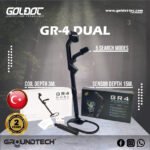
Groundtech GR-4 Dual 3D Ground Scanner and Metal Detector
2.800$
  • EUR: € 2.509,08
Check Now
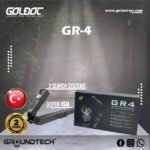
Groundtech GR-4 3D Ground Scanner
2.100$
  • EUR: € 1.881,81
Check Now
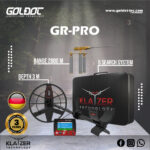
Klayzer GR Pro Gold and Metal Locator
4.000$
  • EUR: € 3.584,40
Check Now
Nokta PulseDive Scuba Underwater Metal Detector
230$
  • EUR: € 206,10
Check Now

Do you need help?

+90 554 490 0300
Sale!
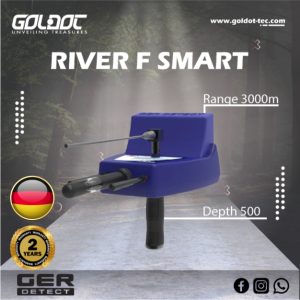
RIVER-F SMART Water Detector

RIVER-F SMART Water Detector

Original price was: 3.000$.Current price is: 2.250$.
  • EUR: € 2.016,22
Sale!
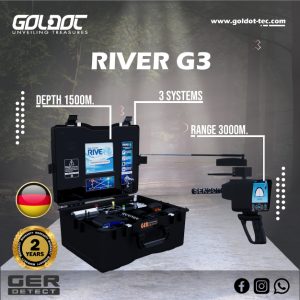
River G3 Groundwater Locator

River G3 Groundwater Locator

Original price was: 8.500$.Current price is: 7.000$.
  • EUR: € 6.272,70
Sale!
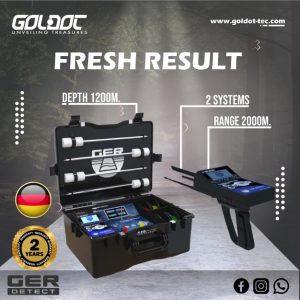
Fresh Result 2 Systems Plus Groundwater Locator

Fresh Result 2 Systems Plus Groundwater Locator

Original price was: 6.250$.Current price is: 5.750$.
  • EUR: € 5.152,57
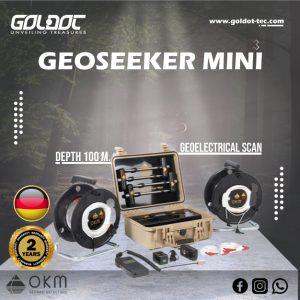
OKM GeoSeeker Mini Groundwater and Cavity Detector
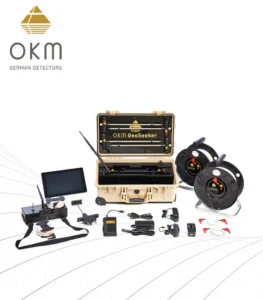
OKM GeoSeeker Groundwater and Cavity Detector

Dive Deep
Find Treasure

Goldot Detectors Shop is the premier destination for serious beachcombers and underwater explorers. Whether you are hunting jewelry in the crashing surf, searching reefs for lost artifacts, or diving shipwrecks, we supply the world's most rugged waterproof technology.

As an Authorized Distributor, we offer fully submersible devices engineered to master conductive saltwater and wet sand. Don't just search—discover. From advanced Multi-Frequency systems to deep-seeking Pulse Induction, your underwater journey starts here.

Secure Payment

Encrypted

Payment Options We accept direct transfer, crypto, secure debit/credit card payments, and PayPal.

Global Shipping

DHL Express

Fast Delivery We ship waterproof detectors worldwide with full insurance and tracking.

Submersible Warranty

Manufacturer Backed

Genuine Ratings All devices come with official IP68 certification and manufacturer warranty cards.

Pro Training

Beach & Dive Experts

Learn to Hunt Free training on how to ground balance in wet salt sand and discriminate iron underwater.
★★★★★
"I took my new detector out into the surf and found a platinum ring on the first day. The saltwater stability is incredible."
Sarah J. - Beach Hunter
★★★★★
"Diving down to 5 meters is a breeze. It handles the pressure perfectly and spots coins masked by iron easily."
Carlos M. - Wreck Diver
★★★★★
"Fast shipping before my vacation. It works flawlessly in the wettest black sand beach conditions."
Mike D. - Vacationer

Top Waterproof Detector Brands

BEST SELLERS

```html

Discovering Underground Water Resources

Welcome to the specialized Water Detector section at Goldot. Locating underground water resources is an essential part of agricultural development, groundwater exploration, construction planning, and geological surveying. Identifying potential underground water sources requires more than traditional drilling methods. Professional water detection equipment is designed to help operators investigate subsurface geological conditions, identify potential groundwater zones, and determine suitable locations for further hydrogeological investigation.

At Goldot, we understand that professional groundwater exploration requires reliable equipment, advanced detection technologies, and accurate interpretation of underground geological data. Our selection of water detectors includes specialized instruments designed for groundwater exploration, underground water investigations, and geological surveys. Depending on the technology used, these systems can help identify potential water-bearing formations, underground geological structures, and variations in subsurface electrical properties. Whether you are searching for water for agricultural wells, residential supply, industrial projects, or large-scale exploration, choosing the appropriate water detection system is an important first step.

Advanced Underground Water Detection Technology

Modern groundwater exploration instruments use different scientific methods, including electrical resistivity measurement, electromagnetic surveying, and geophysical analysis. These technologies help investigate underground formations and identify areas that may contain groundwater. Results must be interpreted according to local geology and, where necessary, verified through professional hydrogeological surveys and test drilling.

Advanced Technologies for Groundwater Exploration

Professional water detection systems use different technologies to investigate underground geological formations. Electrical Resistivity methods, for example, measure how underground materials resist the flow of electrical current. Since different geological materials and water-bearing formations can exhibit different electrical properties, resistivity surveys can help identify geological layers and potential groundwater zones.

Electromagnetic surveying is another important approach in underground exploration. These instruments investigate variations in the electrical conductivity of subsurface materials and can help identify geological structures associated with groundwater. Advanced geophysical instruments may also incorporate digital processing, graphical visualization, and multi-point measurements to provide a more comprehensive understanding of underground conditions. The appropriate technology depends on the geological environment, exploration depth, terrain, and project requirements.

Understanding Underground Water Formations

Successful groundwater exploration requires understanding the geological characteristics of the area being investigated. Underground water is commonly stored and transported through aquifers, fractured rock formations, porous sedimentary layers, and other water-bearing geological structures.

Professional water detectors and geophysical survey instruments can help investigate these underground formations by analyzing changes in subsurface physical properties. Experienced operators use survey measurements, geological information, terrain characteristics, and local groundwater data to interpret potential water-bearing zones. This scientific approach helps narrow down promising exploration locations before expensive drilling operations begin.

From Agricultural Wells to Industrial Water Exploration

Our range of professional water detection equipment serves different groundwater exploration requirements. Farmers and agricultural operators can use suitable geophysical instruments to investigate potential groundwater locations for irrigation wells and agricultural water supplies.

Construction companies, geological surveyors, engineering professionals, and water exploration specialists may require more advanced instruments capable of investigating deeper geological structures and complex underground formations. Industrial projects and large-scale groundwater investigations can also benefit from professional geophysical surveying equipment that supports systematic subsurface analysis.

Whether your objective is locating potential groundwater resources for a farm, investigating underground water formations for a new well, or conducting professional geological surveys, Goldot offers specialized equipment for different exploration requirements.

Choosing the Right Water Detection System

Selecting a professional water detector requires careful consideration of several technical factors. Maximum investigation depth, measurement technology, geological conditions, operating environment, data visualization capabilities, and ease of use all influence the suitability of a particular instrument.

Not every groundwater detection system operates using the same scientific principle. Some instruments are designed for electrical resistivity surveys, while others use electromagnetic methods or specialized geophysical measurement technologies. Understanding these differences is essential when selecting equipment for a specific exploration project.

At Goldot, we help customers understand the technical characteristics of different groundwater exploration instruments and select equipment according to their geological environment, investigation objectives, and professional requirements.

Your Professional Partner in Groundwater Exploration

Investing in professional water detection equipment is an important decision, particularly when groundwater exploration involves significant drilling and development costs. Choosing the right instrument and understanding how to operate it correctly can make a substantial difference in the quality of a geological investigation.

At Goldot, we provide access to specialized groundwater exploration equipment from established manufacturers. Our team helps customers compare detection technologies, understand technical specifications, and identify suitable instruments for their intended applications. We also provide guidance on operating procedures, measurement interpretation, and the geological factors that influence groundwater exploration.

As an international supplier of professional detection and geological exploration equipment, Goldot is committed to helping customers access advanced technologies for underground investigations. Explore our collection of professional water detectors and discover equipment designed to support groundwater exploration, geological surveying, and underground water investigations around the world.


```
```html

Underground Water Detector FAQ

How deep can professional water detectors locate underground water?

Detection and investigation depth depend on the instrument's technology, configuration, electrode spacing, geological conditions, and soil conductivity. Some professional geophysical systems are designed to investigate deep underground formations, while others are intended for shallower groundwater surveys. Always check the manufacturer's verified specifications and understand that investigation depth does not guarantee the detection of a usable water source.
How do underground water detectors work?

Professional groundwater exploration instruments use different scientific technologies, including electrical resistivity and electromagnetic surveying. These methods measure variations in the physical and electrical properties of underground formations. By analyzing the collected data, operators can identify geological structures and investigate areas that may contain groundwater.

Can a water detector identify the exact location of underground water?

Water detection instruments can help identify potential water-bearing geological formations and promising groundwater exploration zones. However, results depend on the technology, survey methodology, and local geological conditions. Professional interpretation and, where appropriate, test drilling are recommended to confirm the presence of groundwater before starting a well project.

Can these devices detect underground water in rocky terrain?

Yes, suitable geophysical water exploration systems can investigate different geological environments, including rocky terrain, fractured bedrock, and sedimentary formations. Some groundwater resources occur within cracks and fractures in solid rock. Selecting the correct instrument and interpreting the geological data are essential for successful exploration in these environments.

What is the difference between Electrical Resistivity and Electromagnetic water detection?

Electrical Resistivity methods introduce electrical current into the ground through electrodes and measure the resulting voltage differences to investigate subsurface resistivity. Electromagnetic methods use electromagnetic fields to investigate variations in underground electrical conductivity. Both technologies can support groundwater exploration, but their suitability depends on the terrain, geological conditions, investigation objectives, and equipment configuration.

Can a water detector determine the depth of underground water?

Some advanced geophysical systems can estimate the depth and thickness of geological layers and potential water-bearing formations through survey measurements and data interpretation. However, the accuracy of these estimates depends on the measurement method, geological model, and operator expertise. The actual depth of a productive water source should be verified through drilling and geological assessment.

Are water detectors suitable for agricultural wells and irrigation projects?

Yes. Professional groundwater exploration equipment can support agricultural projects by helping investigate potential groundwater zones before drilling irrigation wells. Farmers, agricultural companies, and groundwater specialists can use suitable instruments to assess subsurface geological conditions and identify promising locations for further investigation.

Can water detection equipment distinguish between groundwater and underground minerals?

Geophysical instruments measure physical properties such as electrical resistivity and conductivity rather than directly identifying water molecules. Geological materials, mineralization, clay layers, and saline groundwater can produce overlapping measurement responses. Accurate interpretation requires geological knowledge, appropriate survey methods, and supporting information about the area.

What should I consider before buying a professional water detector?

Important factors include maximum investigation depth, detection technology, geological conditions, measurement accuracy, data visualization, operating requirements, and the intended application. You should also consider whether the equipment is suitable for rocky terrain, agricultural land, sedimentary formations, or professional hydrogeological surveys. At Goldot, we help customers compare available systems and select equipment according to their exploration requirements.

Do I need professional training to operate a groundwater detector?

Basic operation may be straightforward on some models, but professional groundwater exploration requires an understanding of survey procedures, geological conditions, measurement results, and data interpretation. Training helps operators use the equipment correctly, reduce measurement errors, and make better-informed decisions when evaluating potential groundwater locations.

```
BLOGS
Logo
GO TO
BLOG
Fetching blogs...

Please wait...