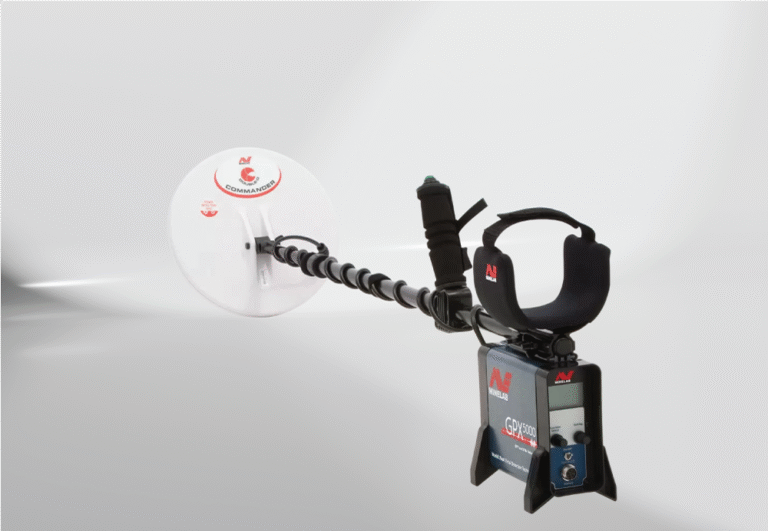
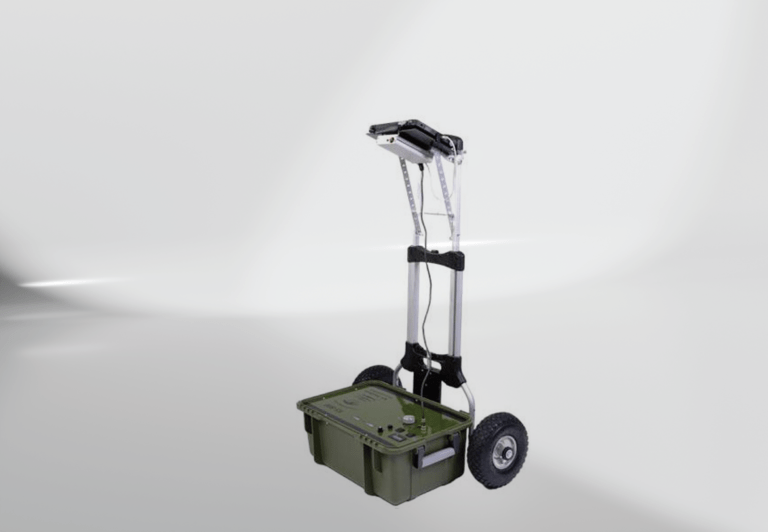
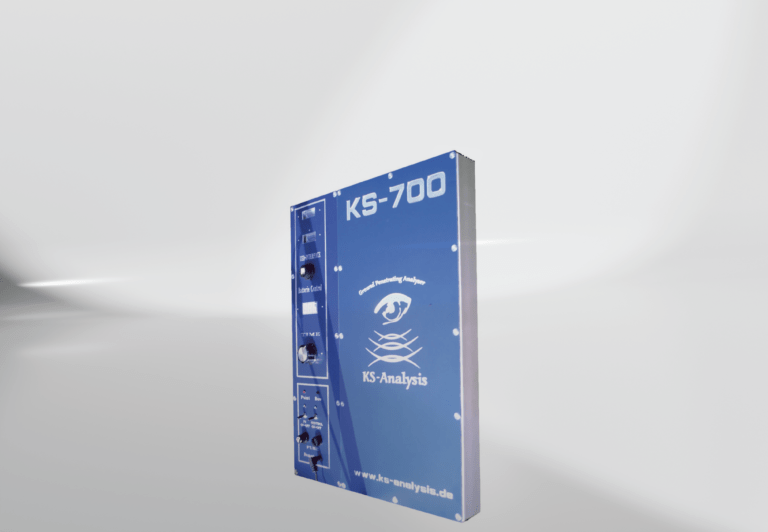
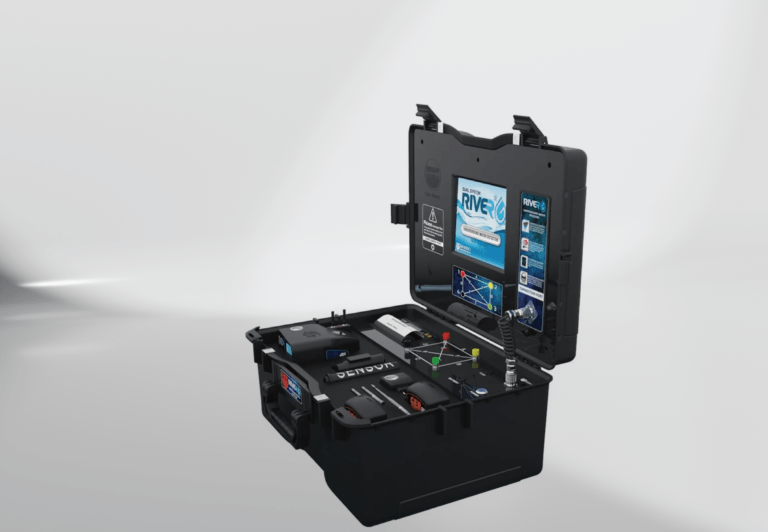
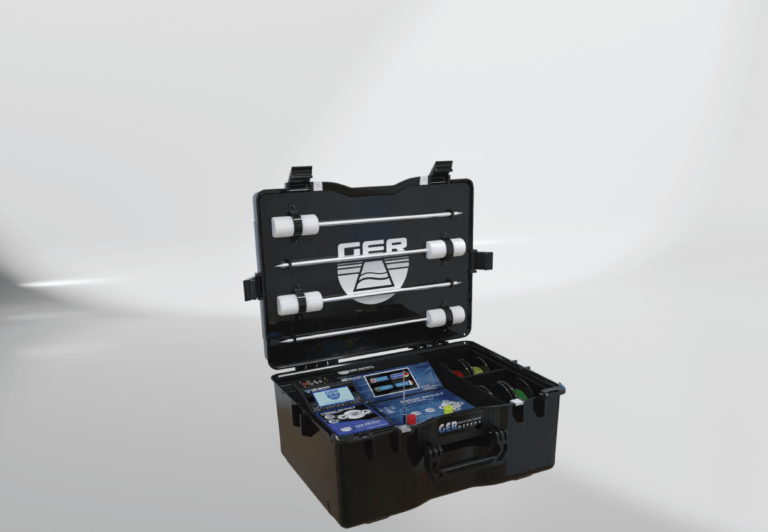
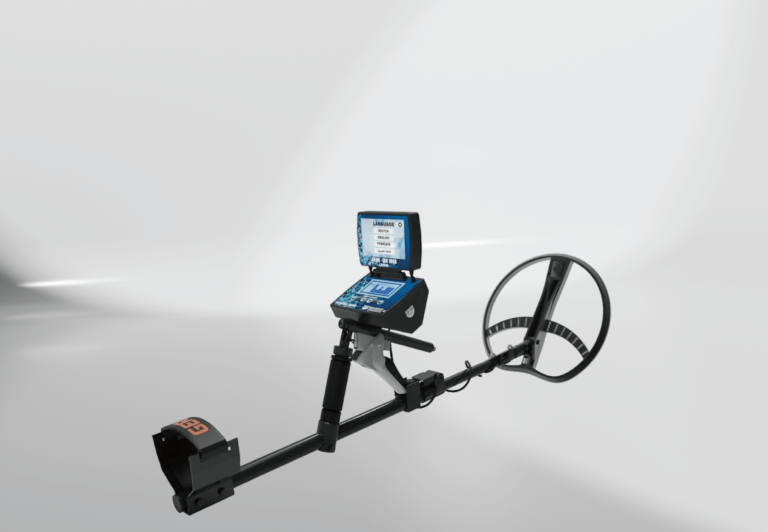
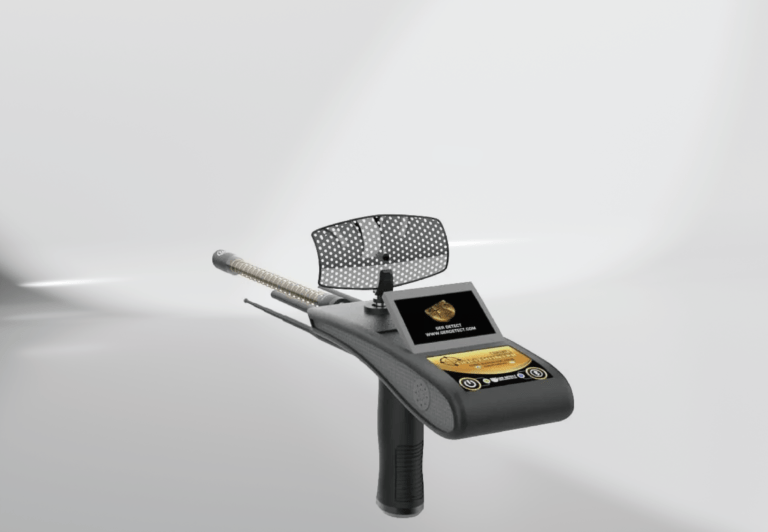
The Definitive Guide to the Best Metal Detectors in the Market
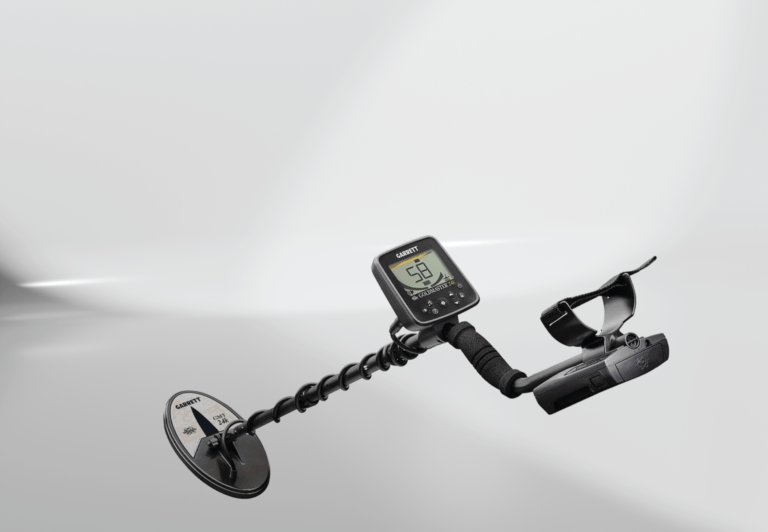
In the world of professional prospecting, treasure hunting, and geophysical surveys, the phrase "best metal detector" is not a one-size-fits-all label. It is a title earned through precision, depth capability, and ground-balancing technology. At Goldot Technologies, we have spent years vetting the global market to bring together a collection that represents the absolute pinnacle of detection science. Whether you are a seasoned geologist, a professional gold seeker, or an industrial engineer, finding the right tool is the difference between a successful excavation and a missed opportunity.
1. The Evolution of Detection: From Beeps to Visual Imaging
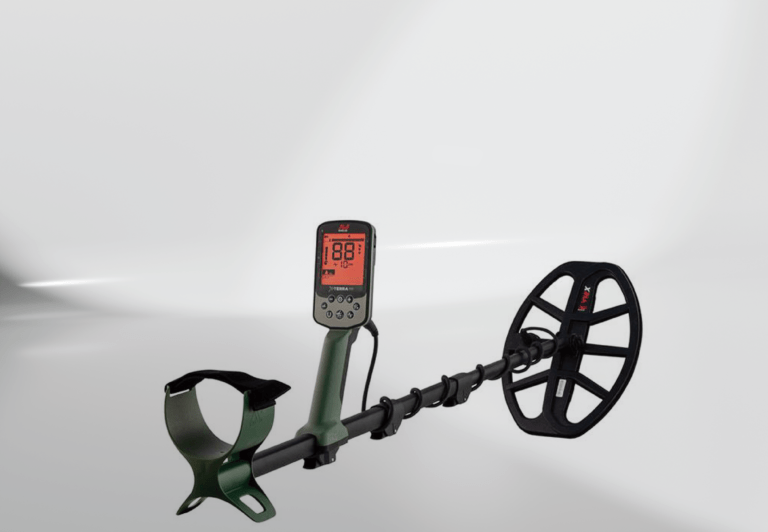
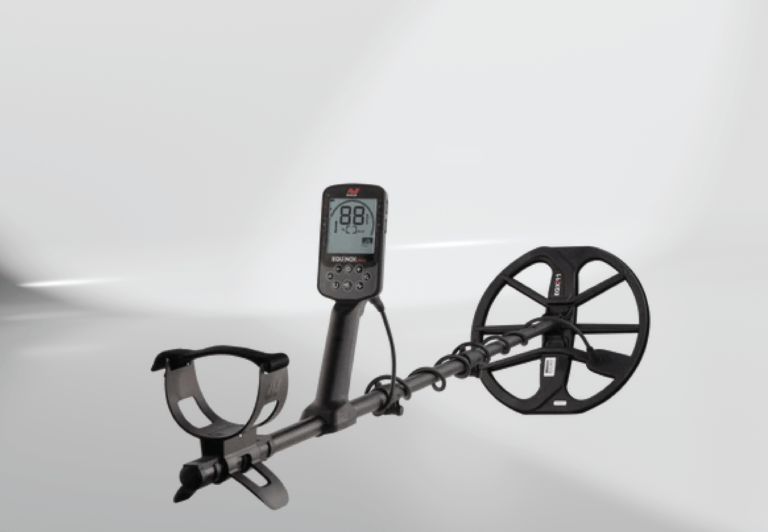
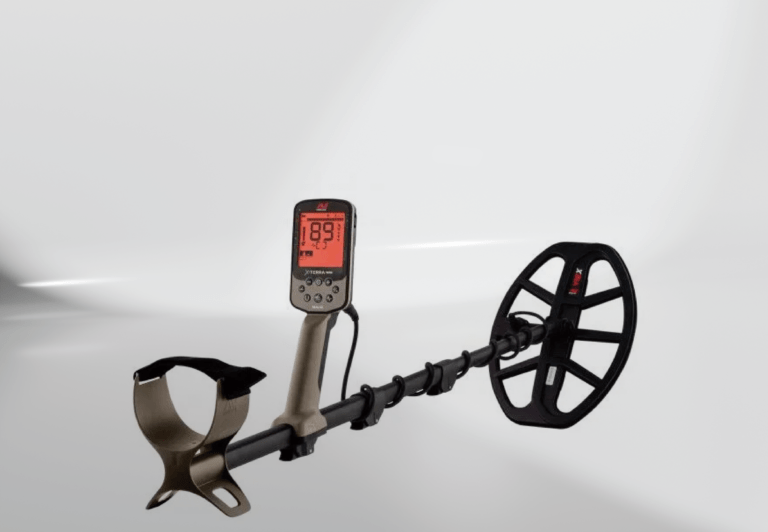
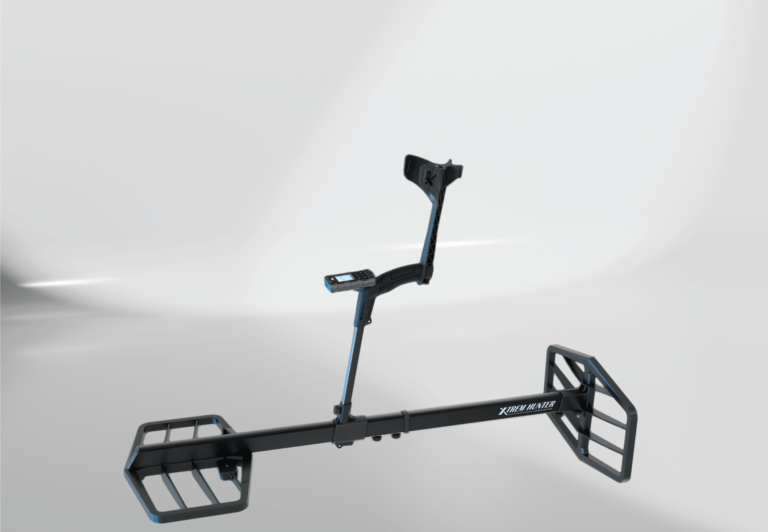
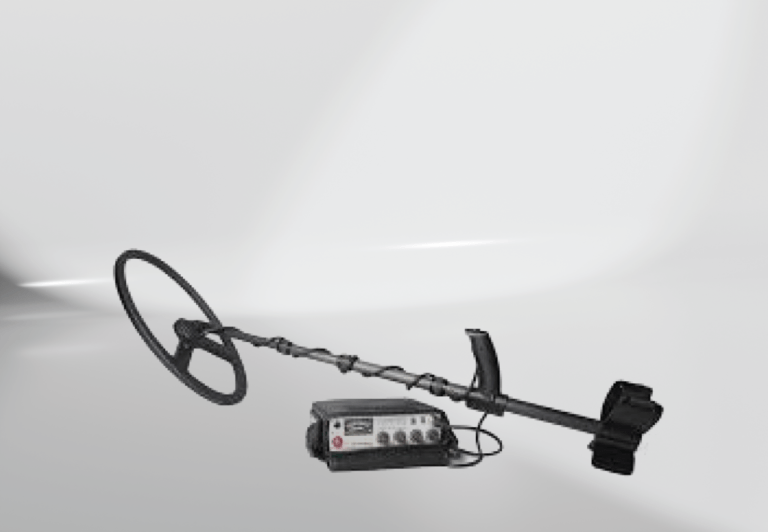
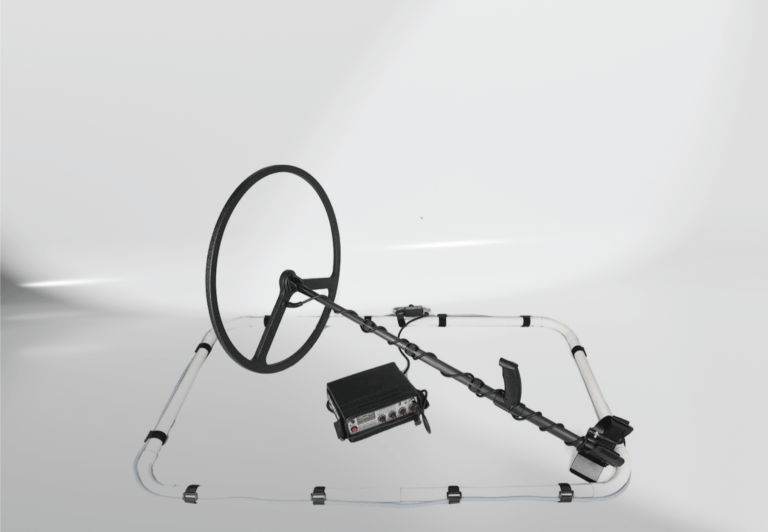
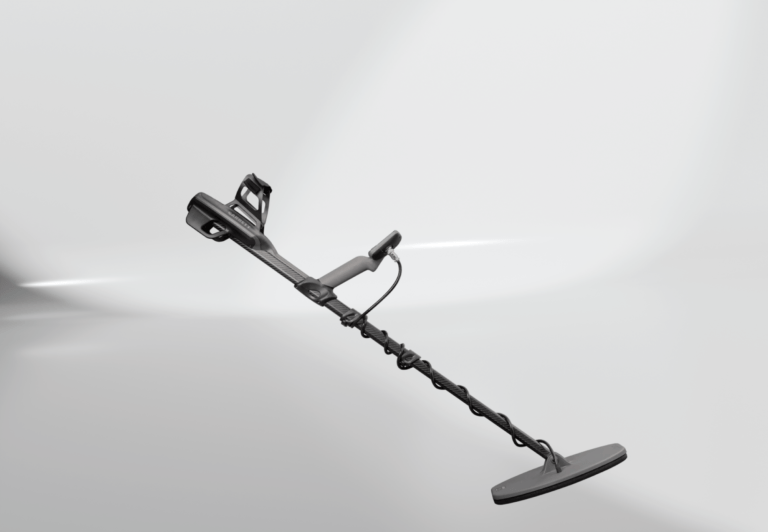
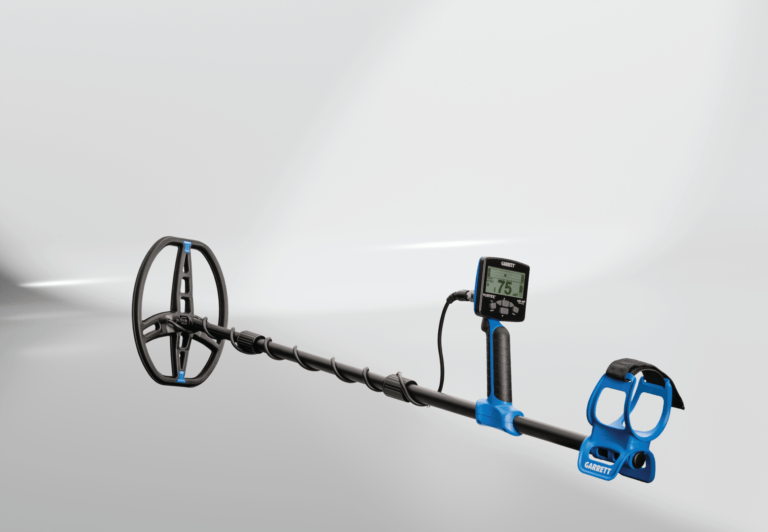
For decades, metal detection was limited to "VLF" (Very Low Frequency) machines that alerted users with a simple audio tone. While effective for surface-level hobby hunting, these machines fail when faced with high soil mineralization or targets buried meters deep. The modern market has shifted toward 3D Ground Scanners and Multi-System Detectors. These are the "best" because they don't just tell you something is there; they tell you what it is, how deep it is, and what its shape looks like before you ever break ground.
What Defines "The Best"?
- Depth Penetration: Professional units reaching depths of 5, 10, or 50 meters.
- Discrimination Accuracy: The intelligence to ignore "hot rocks" and iron trash.
- Intuitive Interface: High-resolution 3D visuals and multi-language support.
- Field Durability: Rugged builds capable of withstanding extreme desert or mountain climates.
2. Top Categories in the Current Market
Long-Range Locators (LRL)
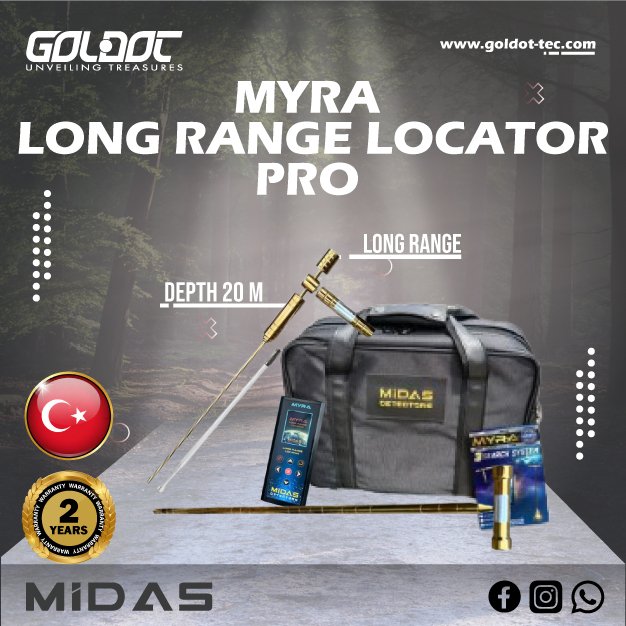
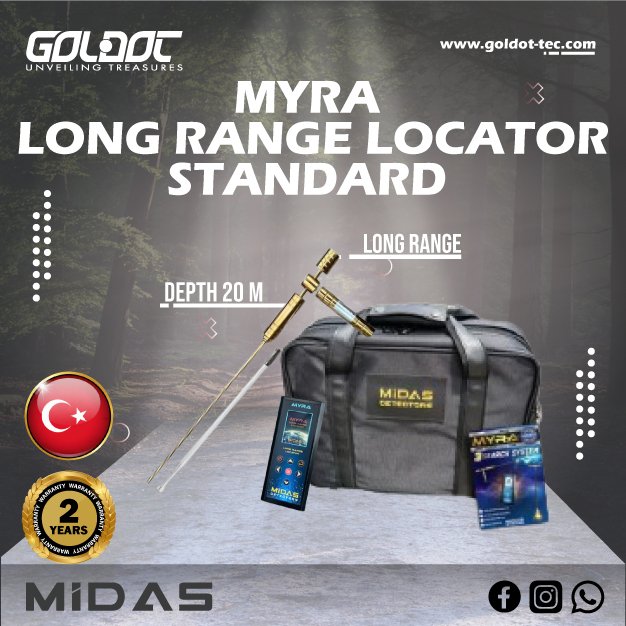
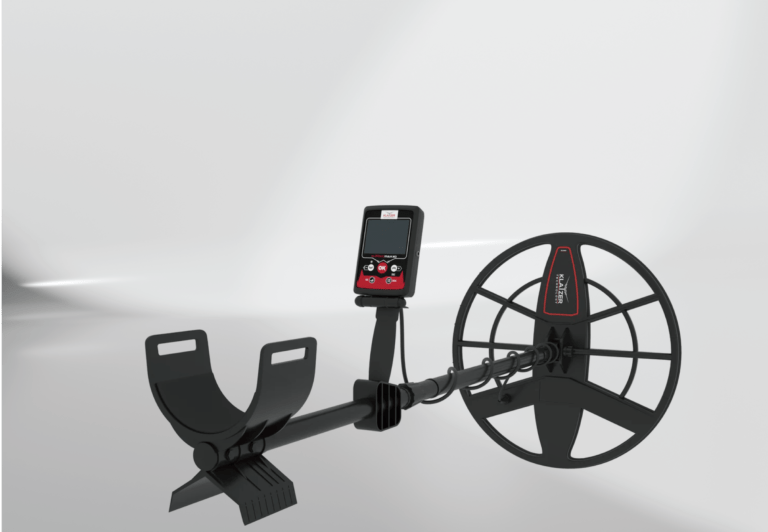
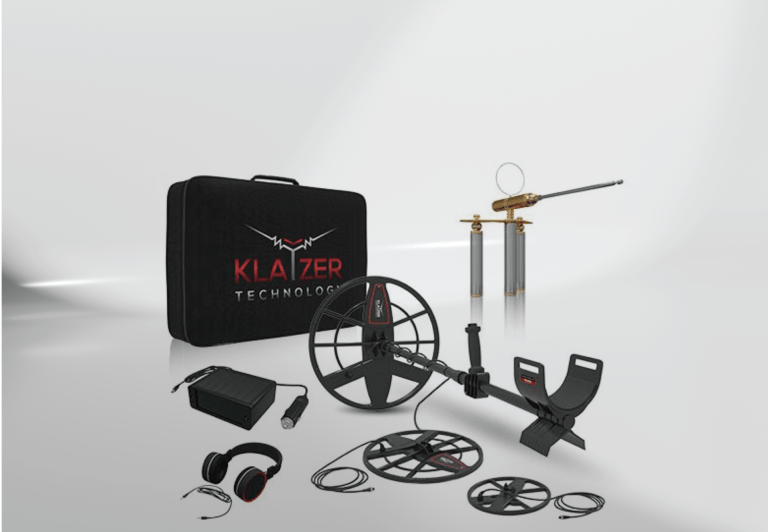
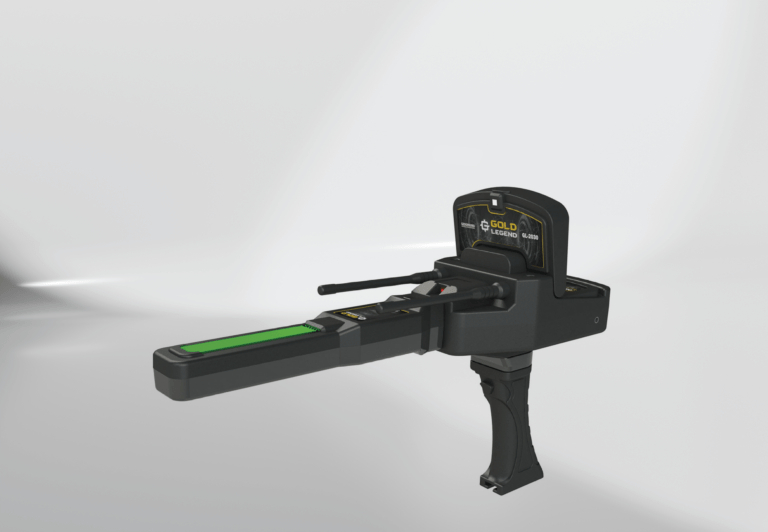
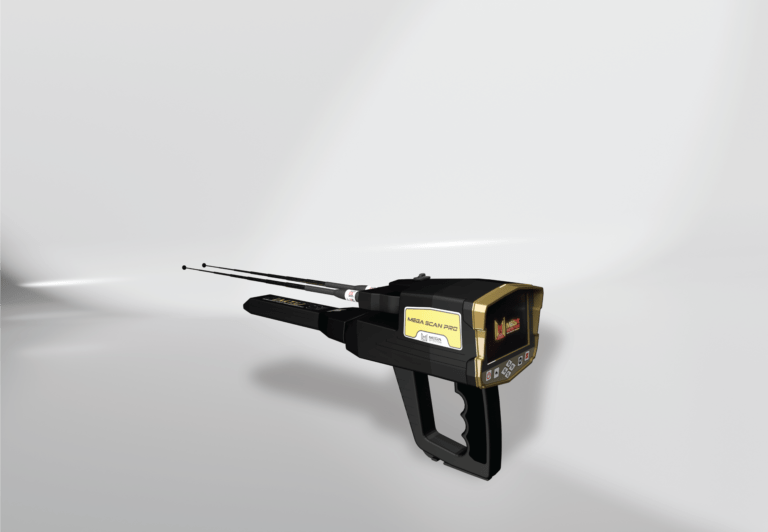
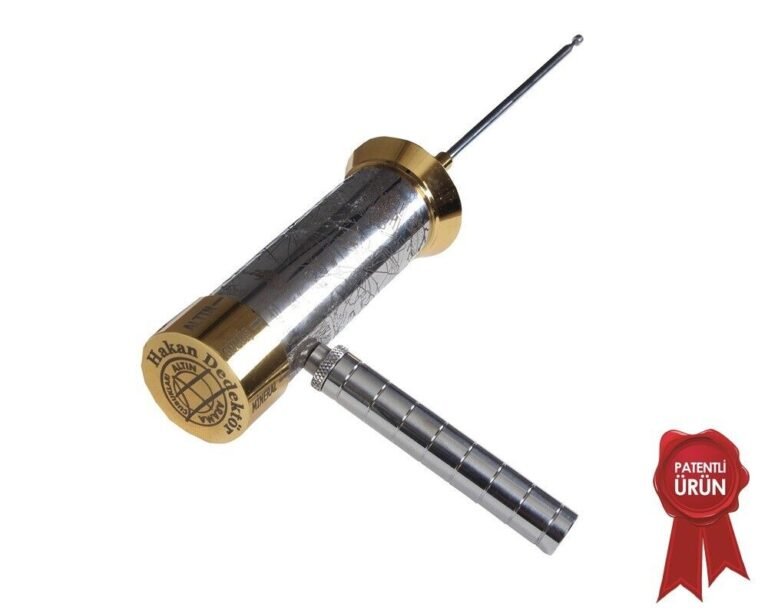
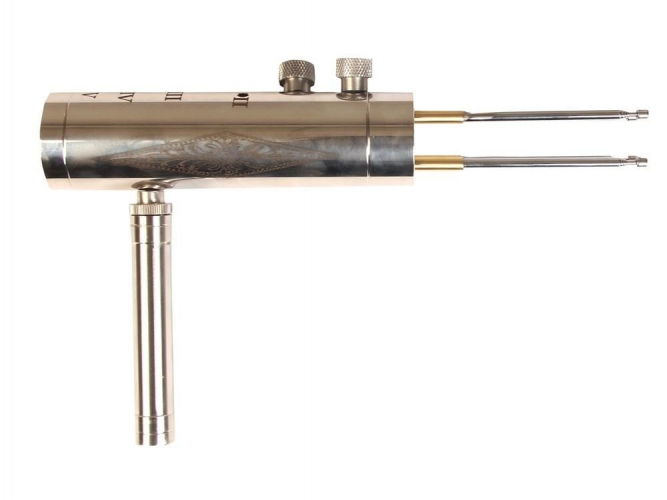
For those searching over vast areas, a standard walk-and-swing detector is inefficient. Long-range systems, such as the Ajax Primero or the Mega Gold, allow users to scan hectares of land from a single point. These systems detect the ionic fields of metals buried for long periods, guiding the user toward the "center" of the target with pinpoint accuracy.
3. 3D Ground Scanners & Imaging
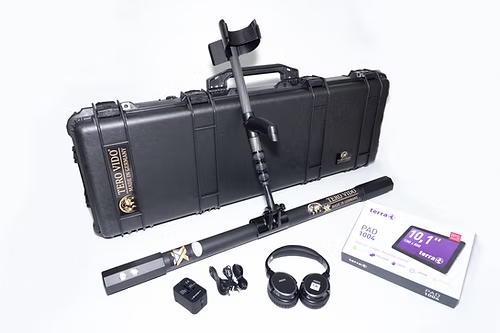
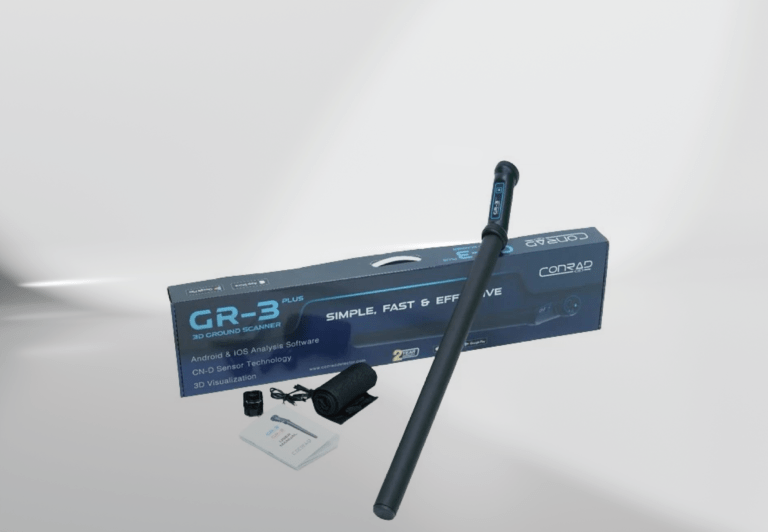
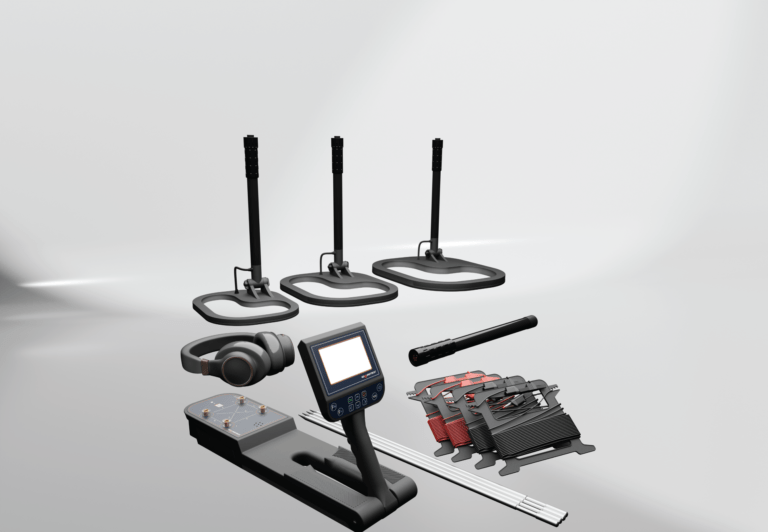
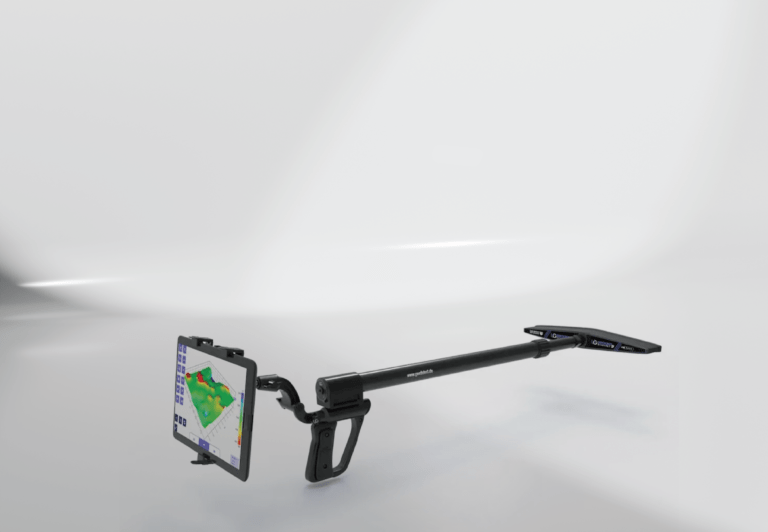
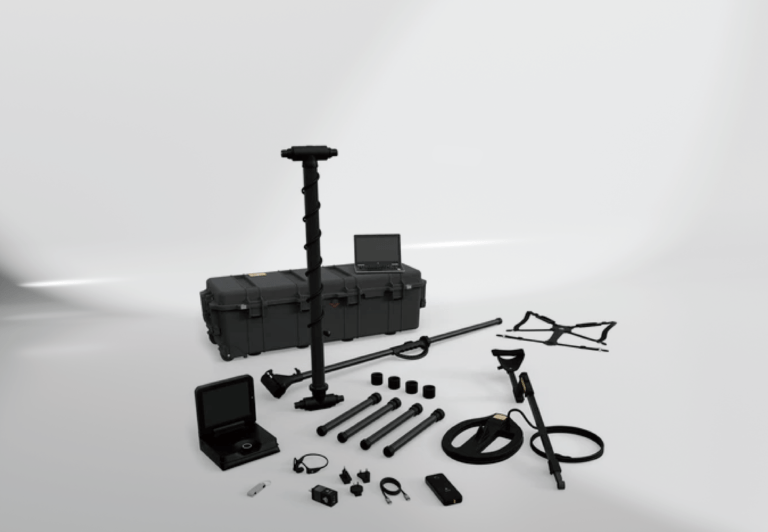
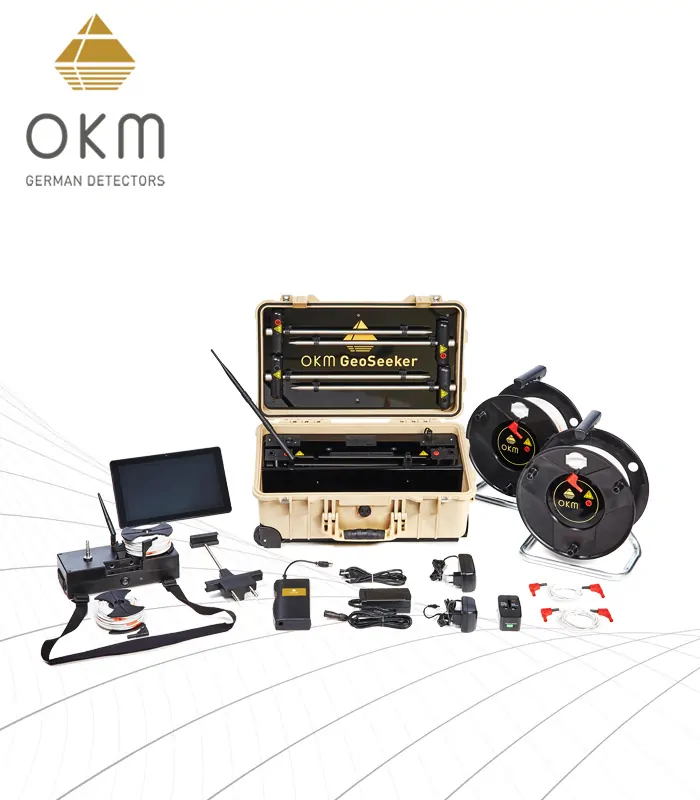
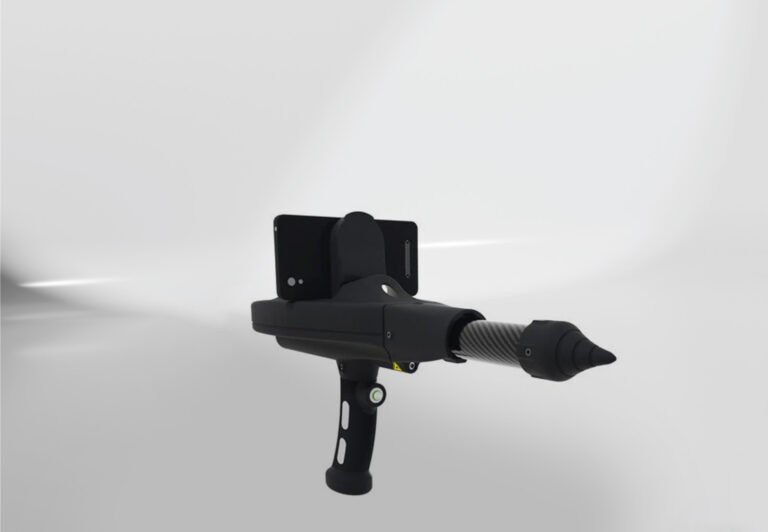
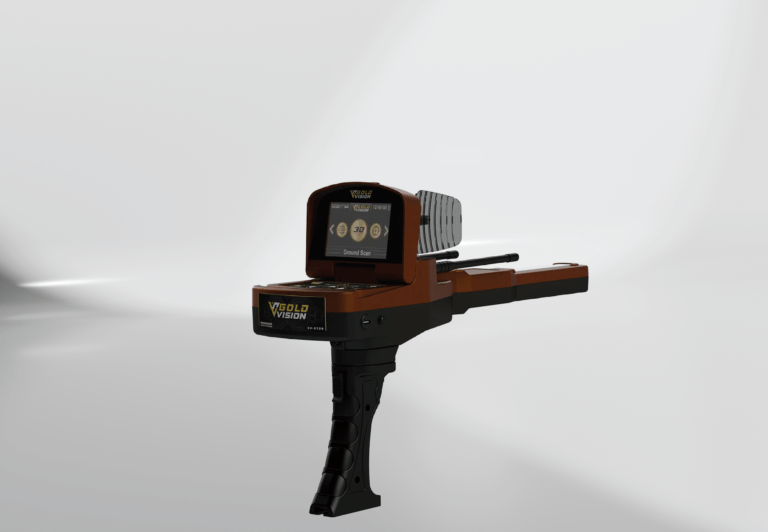
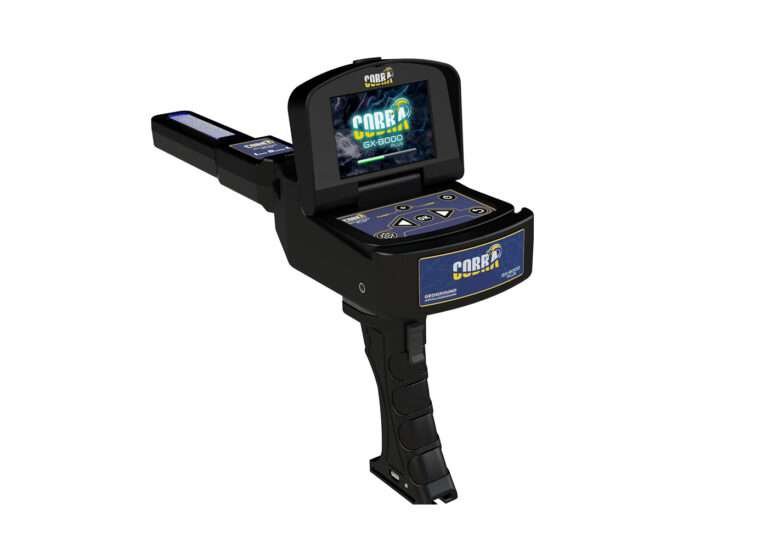
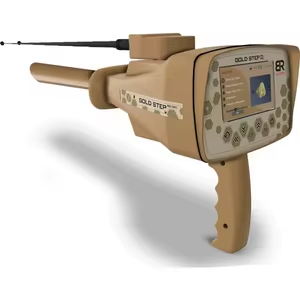
This is the gold standard for geologists and serious treasure hunters. Using sophisticated sensors like Magnetometers and Gradiometers, these devices create a digital map of the subsurface. By connecting the device to a tablet or PC, you can see a 3D representation of buried rooms, tunnels, or metallic hoards. This technology turns the "invisible" into "visible," saving hundreds of hours of manual labor.
4. Pulse Induction (PI) Systems
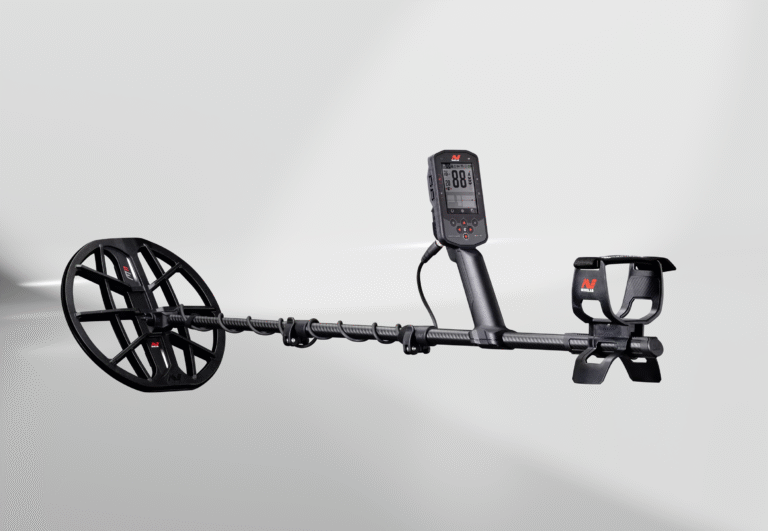
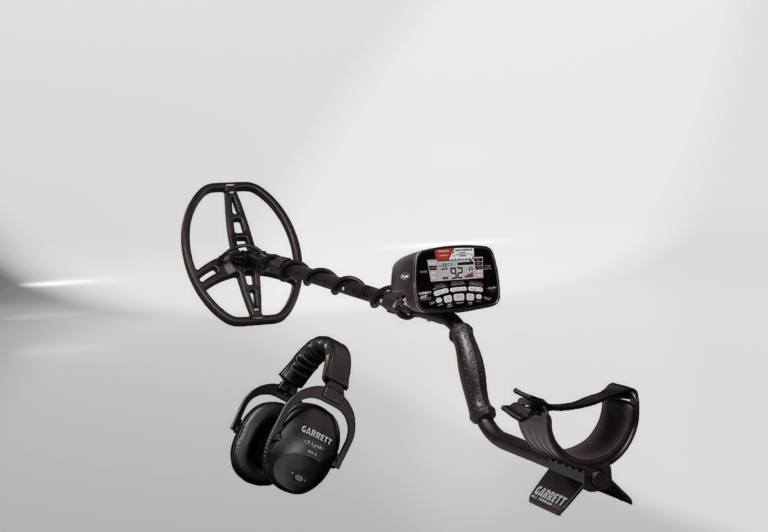
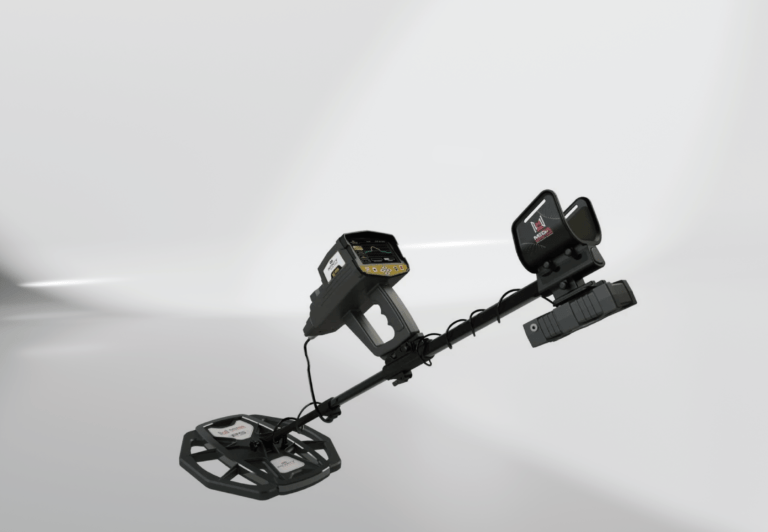
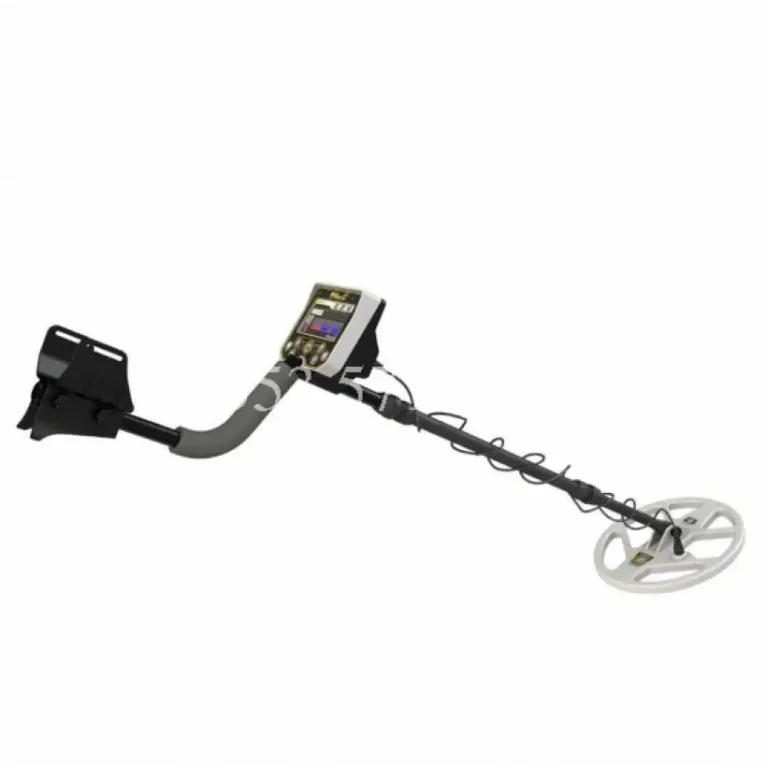
When searching in highly mineralized soil or salt-water beaches, PI systems are king. They are less affected by the ground’s magnetic pull, allowing for incredible depth and stability where other machines would fail. This makes them the "best" choice for coastal gold hunters and deep-vein prospectors.
5. Why German Engineering Dominates the Market
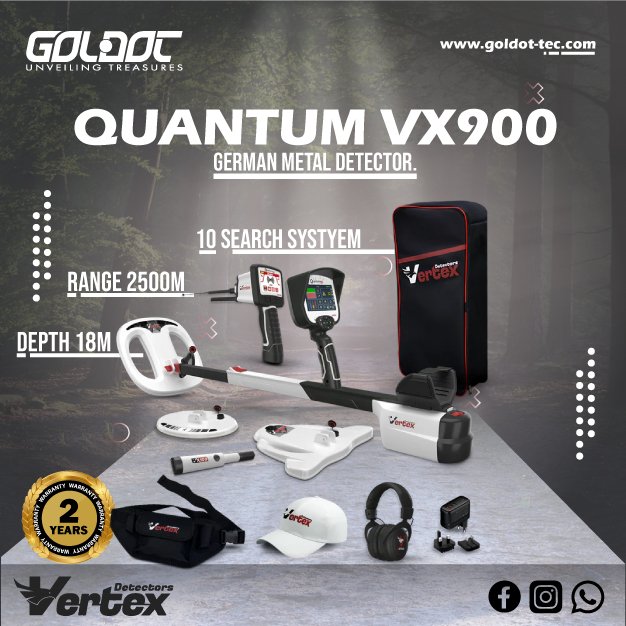
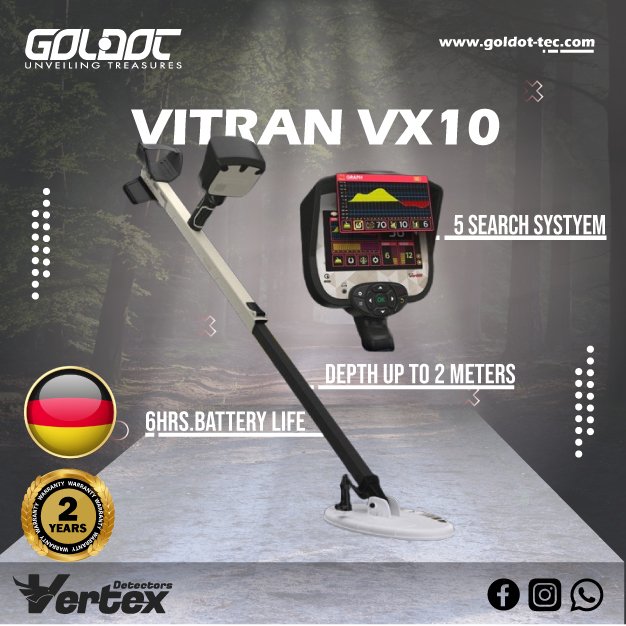
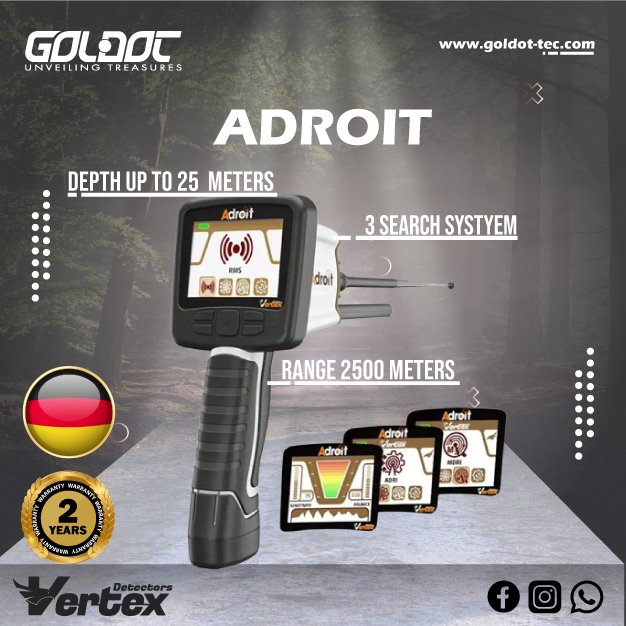
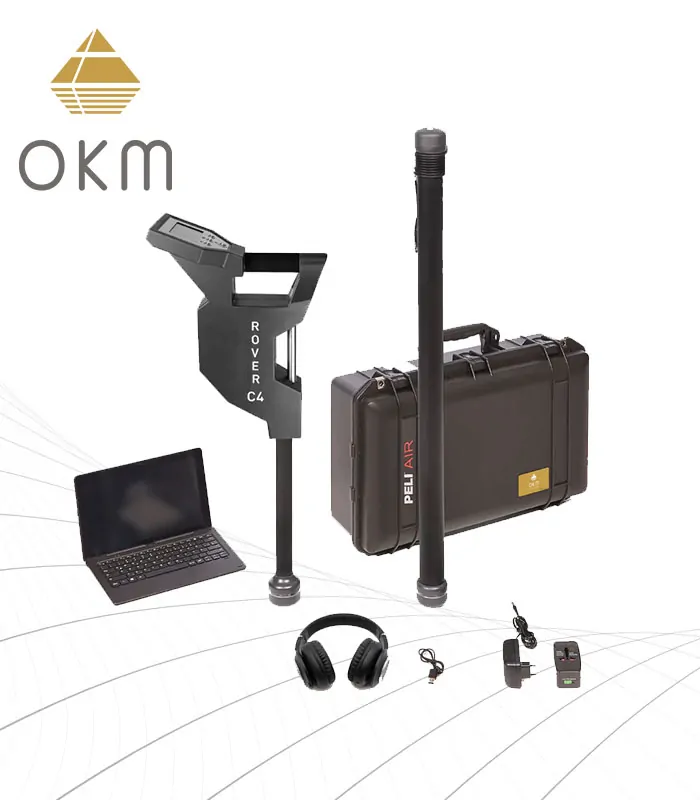
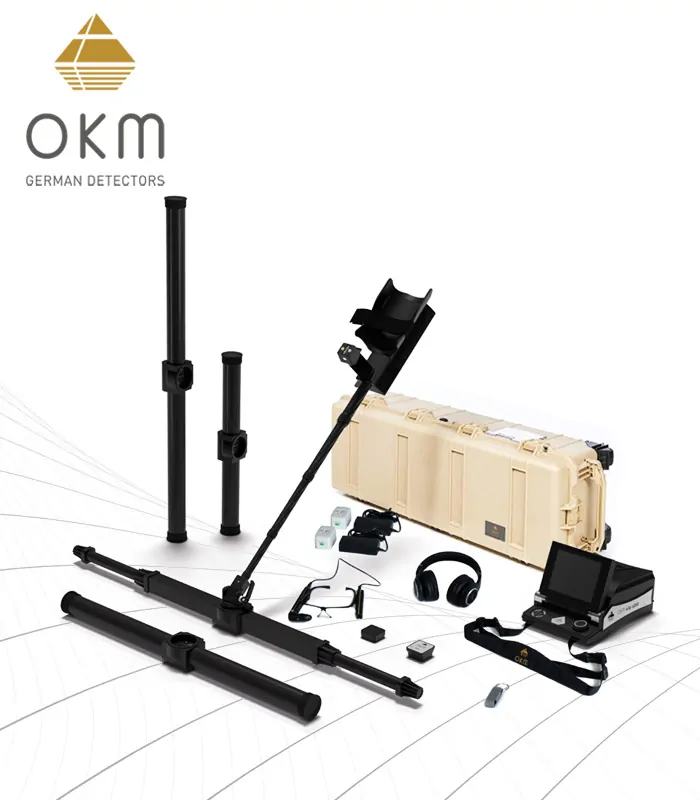
It is no secret that the most advanced detection technology originates from Germany. German manufacturers have a long-standing reputation for optical and electronic precision. At Goldot, we emphasize German-made scanners because their sensors offer a level of "signal-to-noise" ratio that is unmatched. When you are looking for a small gold vein or a deeply buried chest, that clarity is the only thing that matters. Brands like Vertex and OKM lead this charge with engineering that feels years ahead of the competition.
6. Beyond Gold: Industrial and Archaeological Uses
While "Gold" is in our name, the best detectors in the market serve a much wider array of industries. In Archaeology, they allow for non-invasive mapping of ancient structures. In Industrial Utility, they are vital for finding deep-buried pipes, fiber optic lines, and underground bunkers. Even in Security, high-sensitivity detection is used for large-scale safety sweeps where failure is not an option.
7. Understanding Ground Mineralization & AI
One of the biggest hurdles in detection is "Ground Noise." Most of the Earth's crust contains iron oxides. A cheap detector will "see" the ground as one giant metal object and scream constantly. The best detectors in the market utilize Automatic Ground Balance (AGB). They "learn" the soil's chemistry and subtract it from the signal, leaving only the pure signal of the target. The next frontier, which Goldot is already exploring, involves Artificial Intelligence integration—machines that self-calibrate based on global satellite data and AI algorithms.
8. The Importance of Professional Training
Owning the best metal detector in the market is only half the battle. Knowing how to interpret the data is the other half. This is where Goldot Technologies sets itself apart. We don't just ship a box; we provide the expertise needed to understand 3D graphs, signal frequencies, and pulse delays. When you look at a 3D scan, you need to distinguish between a natural rock cavity and a man-made burial chamber. Our technical support ensures your investment translates into real-world discoveries.